
Beautiful Plants For Your Interior
Beautiful Plants For Your Interior
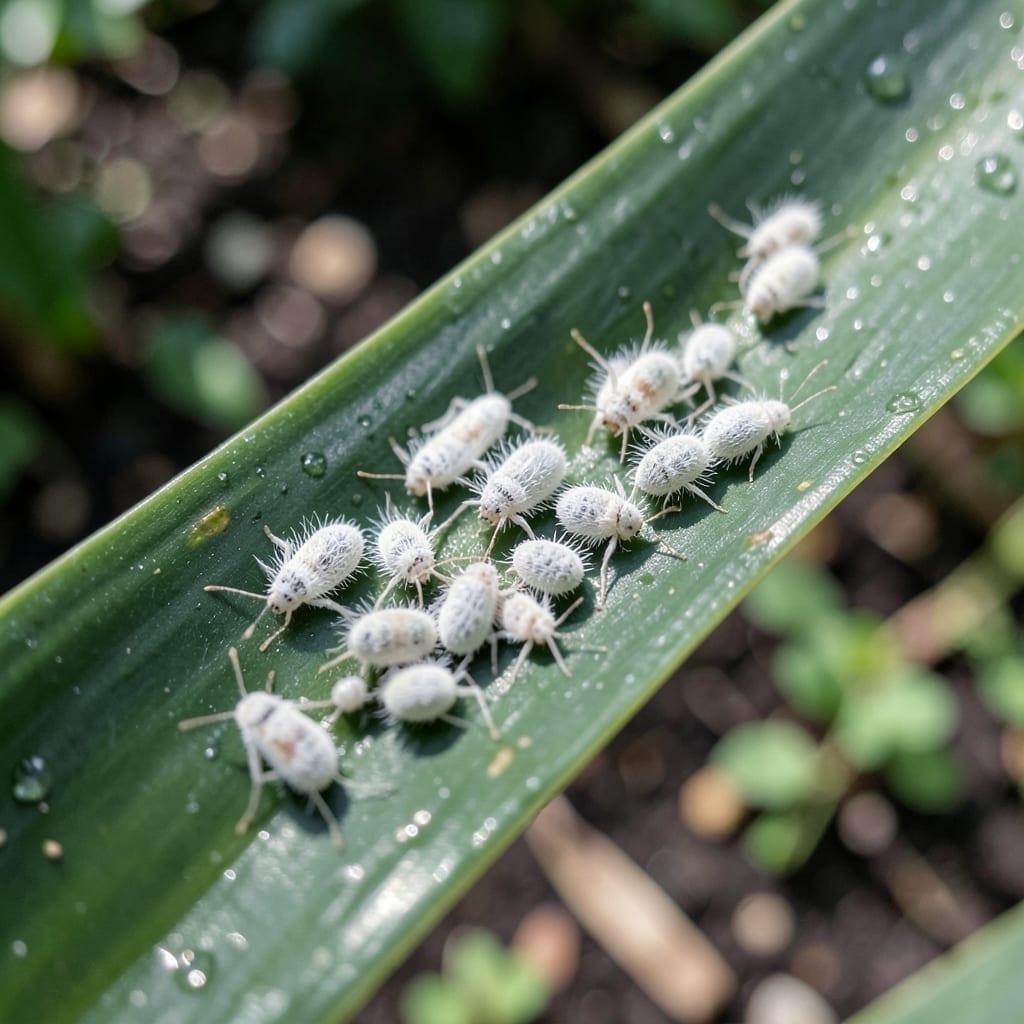
I spotted white fuzz on my cordyline leaves last summer and knew trouble had arrived. Mealybugs spread fast, turning healthy plants into sticky, stunted messes before you realize what’s happening.
These pests suck sap from stems and leaves, weakening the plant while leaving behind a cottony residue. The good news is they’re treatable—especially when caught early. A sharp eye and quick action save most cordylines from serious damage.
Natural solutions like soapy water sprays or neem oil work wonders without harsh chemicals. I’ve rescued several plants using just these simple treatments and consistent monitoring.
Prevention starts with clean tools and regular inspections. Healthy, stress-free cordylines resist infestations far better than neglected ones.
Mealybugs thrive on Cordyline plants due to a mix of environmental and cultural factors. Understanding these causes helps you prevent and manage outbreaks effectively.
Mealybugs prosper in temperatures between 70–90°F (21–32°C) with high humidity (60%+). Cordylines in greenhouses, shaded gardens, or indoor settings often create the perfect breeding ground. These conditions accelerate their life cycle, leading to rapid population growth.
Excess moisture, especially in the root zone or leaf axils, attracts mealybugs. Overwatered Cordylines develop soft, weak tissue that these pests find irresistible. Ensure your plant’s soil is well-draining and avoid waterlogging to deter infestations.
Too much nitrogen-heavy fertilizer promotes lush, tender growth—ideal for mealybugs to feed on. These pests target new shoots and leaves, which are rich in sap. Balance your fertilization with potassium and phosphorus to strengthen plant resistance.
In nature, ladybugs, lacewings, and parasitic wasps keep mealybug populations in check. If your Cordyline lacks these predators—common in indoor or isolated garden settings—mealybugs multiply unchecked. Introduce beneficial insects or use neem oil to restore balance.
Mealybugs often hitchhike on new plants, tools, or potting mix. Inspect any additions to your garden and quarantine new Cordylines for 2–3 weeks to prevent spreading infestations.
Tackle mealybugs on your cordyline with these proven solutions, tailored to the severity of the infestation. Start with the gentlest methods and escalate if needed to protect your plant’s health.
For small clusters, handpick or wipe off mealybugs using a cotton swab dipped in rubbing alcohol (70%). Focus on leaf axils, stems, and undersides where they hide. Repeat every 3–4 days until gone.
Prevention tip: 💡 Inspect new plants before introducing them to your garden to avoid spreading pests.
Mix 1 tsp mild liquid soap + 1 liter water and spray directly on bugs. For stubborn cases, use neem oil (2 tbsp per gallon of water + a few drops of dish soap as an emulsifier). Spray in the early morning or late evening to avoid leaf burn.
Prevention tip: 🌡️ Avoid over-fertilizing, as excess nitrogen attracts mealybugs.
Use ready-made insecticidal soap or a systemic granular treatment (like imidacloprid) for deep-rooted infestations. Follow label instructions carefully, and keep pets and kids away from treated areas for 24–48 hours.
Prevention tip: ✨ Prune heavily infested parts and dispose of them in sealed bags to prevent regrowth.
Consistency is key! Mealybugs reproduce quickly, so repeat treatments every 7–10 days until your cordyline is pest-free.
They appear as white, cottony clusters tucked in leaf axils or along stems. Look for sticky honeydew residue on leaves, which often accompanies an infestation.
Yes, neem oil is very effective when mixed with water and dish soap. Apply every 7-10 days until gone, focusing on hidden areas where they congregate.
Dab 70% rubbing alcohol on a cotton swab to target visible bugs. This works best for small, isolated clusters.
Incomplete treatment or hidden eggs often cause recurrence. Always check new growth and leaf undersides, and repeat treatments thoroughly.