
Beautiful Plants For Your Interior
Beautiful Plants For Your Interior
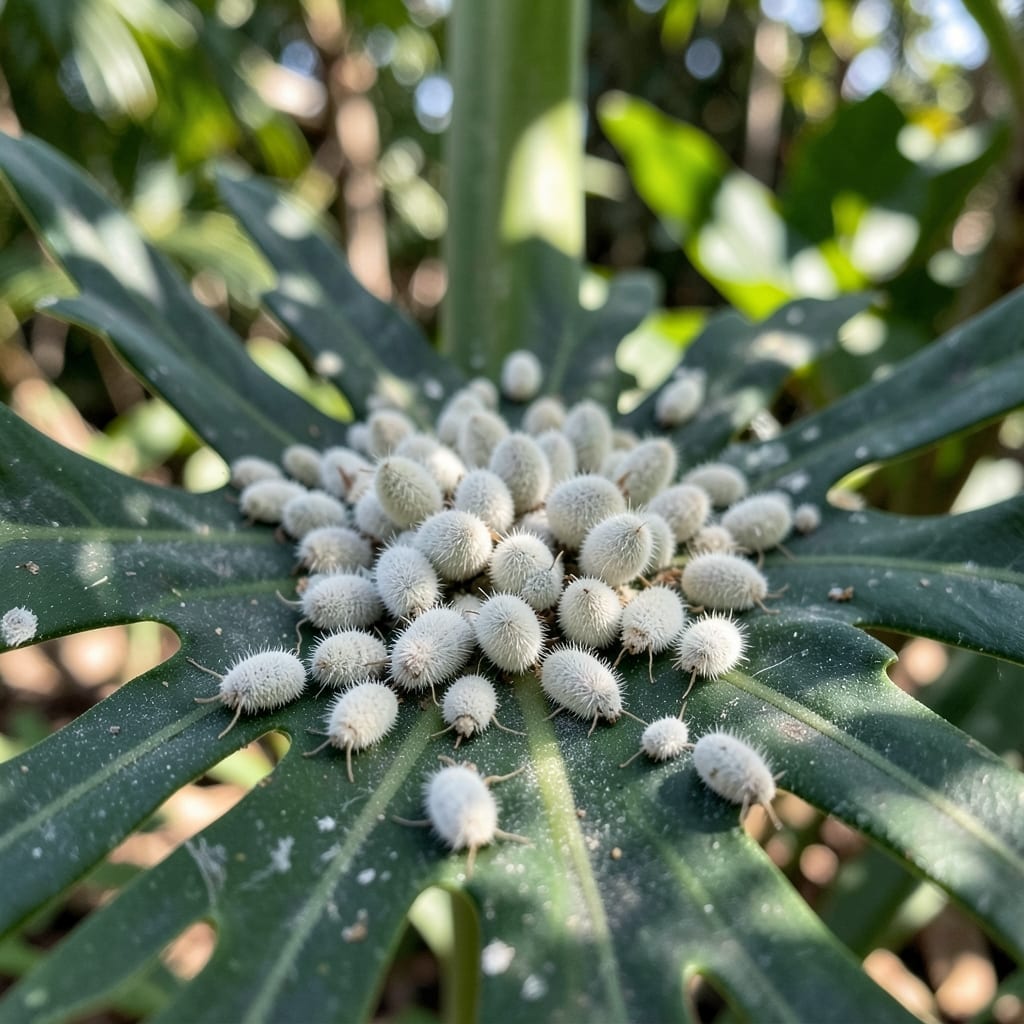
White fuzz on your coontie means mealybugs have moved in. I first spotted them on my palms last summer, and ignoring them nearly cost me the plants.
These pests drain sap and spread disease, but they’re beatable. The key is catching them early before they multiply. A quick inspection of leaf undersides reveals their hiding spots.
With the right approach, your coontie will recover and thrive. Natural treatments work best, and prevention keeps them from returning.
No fancy tools required—just consistency. Here’s how to reclaim your palms without harsh chemicals.
Mealybugs thrive on Zamia integrifolia (coontie) due to a mix of environmental, cultural, and biological factors. Below are the primary causes, explained with actionable insights to help you prevent future outbreaks.
Coontie palms under stress are more susceptible to mealybugs. Drought, excessive heat, or poor drainage weaken the plant’s natural defenses, making it an easy target. These pests are drawn to stressed plants because they produce higher levels of sugars and amino acids—ideal food sources for mealybugs. Ensure your coontie receives consistent moisture (but not waterlogging) and is planted in well-draining soil to reduce stress.
Mealybugs spread rapidly in dense, humid environments. If your coontie is surrounded by overgrown vegetation or placed in a poorly ventilated area, it creates a perfect breeding ground. These pests thrive in stagnant air, which also encourages fungal growth—another attractant. Prune nearby plants and space coonties at least 3–4 feet apart to improve airflow and discourage infestations.
In a balanced ecosystem, ladybugs, lacewings, and parasitic wasps keep mealybug populations in check. However, pesticide overuse or a lack of biodiversity can eliminate these beneficial insects, allowing mealybugs to multiply unchecked. Avoid broad-spectrum insecticides and instead introduce natural predators or use neem oil to restore ecological balance.
Coonties with excess nitrogen (from over-fertilization) produce soft, succulent growth that mealybugs love. Conversely, phosphorus or potassium deficiencies weaken the plant, making it more vulnerable. Use a slow-release, balanced fertilizer (e.g., 10-10-10) and test soil nutrients regularly to maintain optimal health.
Dealing with mealybugs on your coontie palms doesn’t have to be a losing battle. With the right approach, you can restore your plant’s health and keep these pests at bay. Here’s how to tackle the issue based on the most common causes:
If you spot a few mealybugs early, remove them by hand. Dip a cotton swab in rubbing alcohol (70% isopropyl) and gently dab each pest. The alcohol dissolves their protective waxy coating, killing them on contact. For larger clusters, use a soft toothbrush dipped in soapy water to scrub them off. Prevention tip: Inspect your coontie weekly to catch infestations early.
For a wider spread, mix 1 tablespoon of dish soap and 1 cup of vegetable oil in a gallon of water. Spray this solution directly onto the mealybugs, focusing on the undersides of leaves and stems. Reapply every 3–4 days for two weeks. Neem oil is another great option—mix 2 tablespoons of neem oil with a gallon of water and spray as above. Prevention tip: 💡 Avoid over-fertilizing, as it can attract pests.
If the mealybugs have taken over, prune heavily infested fronds and dispose of them in sealed bags to prevent spreading. Isolate the affected coontie to protect nearby plants. Follow up with a systemic insecticide labeled for palms, applying it to the soil for root absorption. Prevention tip: ✨ Keep your coontie in well-draining soil and avoid waterlogged conditions, which stress the plant and make it more susceptible.
Consistency is key—repeat treatments as needed, and always monitor your coontie for signs of reinfestation. Healthy, stress-free plants are your best defense!
Look for white, cottony clusters on leaf undersides or stems. These pests often hide in crevices, so inspect thoroughly. Early detection makes treatment much easier.
Yes! A mix of 1 tablespoon dish soap and 1 cup vegetable oil in a gallon of water works well. Spray every 3–4 days for two weeks to break their life cycle.
Remove heavily infested fronds and seal them in a bag. This prevents spreading while you treat the remaining plant with insecticides.