
Beautiful Plants For Your Interior
Beautiful Plants For Your Interior
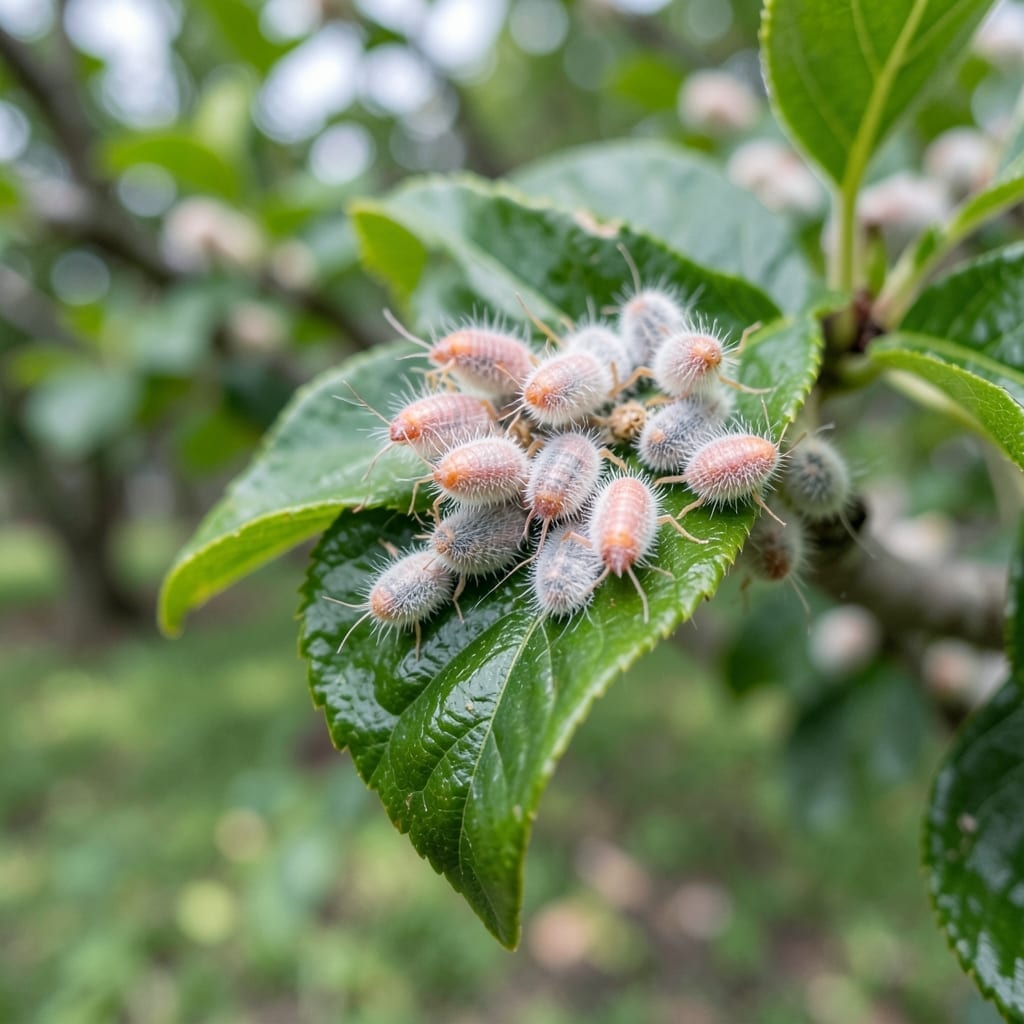
White fuzzy patches on your cherry tree leaves mean trouble. I spotted my first mealybug infestation last spring—those cottony clusters were impossible to miss, and my fruit production dropped by half.
These pests suck sap from leaves and fruit, leaving behind sticky honeydew that attracts ants and grows black sooty mold. Left unchecked, they’ll weaken your tree and ruin your harvest.
Natural removal works if you catch it early. A strong blast of water knocks them off, and neem oil or insecticidal soap stops their spread without harsh chemicals.
With consistent treatment, your cherry tree will bounce back and produce healthy, thriving fruit by next season.
Mealybugs thrive on cherry trees due to a mix of environmental, biological, and cultural factors. Understanding these causes helps prevent and manage outbreaks effectively.
Cherry trees under stress—from drought, poor soil, or root damage—produce weaker sap, which is less resistant to pests. Overcrowding also reduces airflow, creating a humid, sheltered environment where mealybugs multiply rapidly. Prune regularly to improve ventilation and reduce stress.
Mealybugs often explode in numbers when their natural enemies, like ladybugs, lacewings, or parasitic wasps, are absent. Overuse of broad-spectrum pesticides can wipe out these beneficial insects, leaving mealybugs unchecked. Opt for targeted treatments to preserve ecological balance.
High-nitrogen fertilizers promote lush, soft growth that mealybugs love to feed on. While nitrogen boosts foliage, it can create an imbalanced nutrient profile, making trees more susceptible. Use a balanced fertilizer and avoid over-application to discourage pest-friendly conditions.
Mealybugs thrive in warm, dry weather, especially during prolonged periods without rain. These conditions accelerate their life cycle, leading to faster reproduction. Regularly monitor trees in such climates and use horticultural oils or soaps as preventive measures.
Mealybugs can be stubborn, but these targeted solutions will help you reclaim your cherry trees. Address each issue with a clear, actionable fix, and follow up with prevention to keep them from returning.
If you spot a few mealybugs early, act fast. Prune heavily infested branches and dispose of them in sealed bags to prevent spread. For smaller clusters, dab the bugs with a cotton swab soaked in rubbing alcohol (70% isopropyl). This dissolves their protective waxy coating and kills them on contact. Repeat every few days until they’re gone.
For larger outbreaks, use insecticidal soap or neem oil. Mix according to package instructions and spray thoroughly, focusing on the undersides of leaves and branch crevices where mealybugs hide. Apply in the early morning or late evening to avoid harming pollinators. Reapply every 5–7 days until the infestation clears.
Pro tip 💡: Test sprays on a small section of the tree first to check for leaf sensitivity.
Encourage beneficial insects like ladybugs, lacewings, or parasitic wasps to do the work for you. Plant pollen-rich flowers (e.g., marigolds, alyssum) nearby to attract them. Avoid broad-spectrum pesticides, which can harm these allies. If needed, purchase ladybugs from a garden center and release them at dusk for best results.
Pro tip 🎯: Apply a dormant oil spray in late winter to smother overwintering mealybug eggs before they hatch.
Look for white, cottony clusters on leaves, stems, or fruit. These are the first visible signs. Check undersides of leaves and branch crevices weekly, as mealybugs love to hide in these areas.
Yes! A 70% isopropyl alcohol solution on a cotton swab works well for small clusters. For larger areas, mix 1 tablespoon of dish soap with 1 quart of water and spray thoroughly.
They can. Mealybugs feed on sap, weakening the tree and potentially stunting fruit growth. Their sticky honeydew also attracts sooty mold, which can further damage your harvest.
Apply treatments in early morning or late evening to avoid harming pollinators. For prevention, use dormant oil sprays in late winter before new growth appears.