
Beautiful Plants For Your Interior
Beautiful Plants For Your Interior
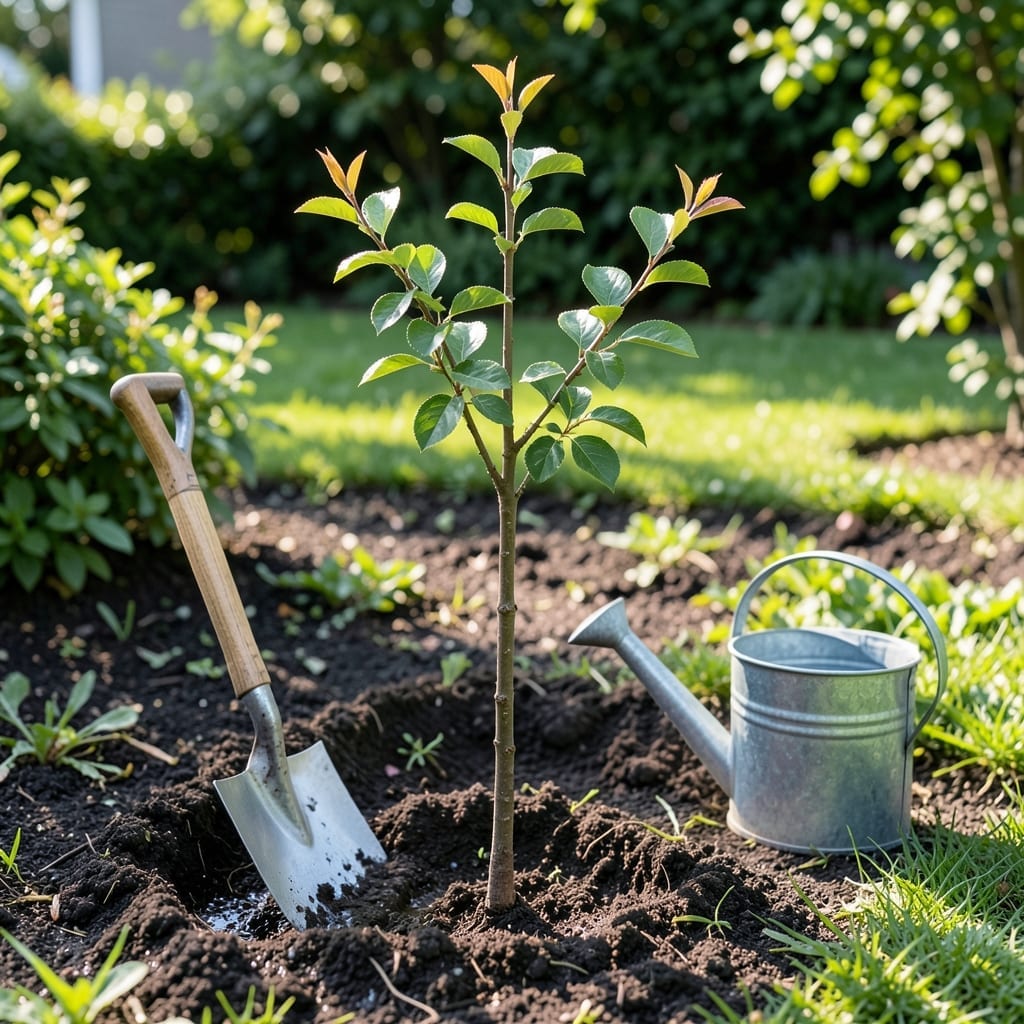
Timing is everything when it comes to planting Cherry Trees in Zone 5. Get it right, and you’ll enjoy vibrant blooms and healthy growth for years to come. Get it wrong, and you might struggle with stunted development or frost damage.
The good news? There are two ideal windows each year to set your 🌳 Cherry Tree up for success. Spring and fall both offer unique advantages, depending on your goals and local climate nuances.
I’ve tested both seasons in my own garden, and the difference in results is striking. Whether you’re aiming for a burst of spring color or a head start on next year’s growth, the timing can make all the difference.
Let me walk you through the best planting windows and what to consider for each. You’ll discover how to align your efforts with Zone 5’s specific conditions for the strongest, healthiest trees.
Timing is everything when planting cherry trees in Zone 5. This region’s cold winters and moderate summers create unique challenges and opportunities for gardeners like you and me.
The best windows are early spring (as soon as the ground is workable) and early fall (6-8 weeks before the first frost). These periods allow roots to establish before extreme temperatures hit.
| Planting Window | Ideal Months | Key Considerations |
|---|---|---|
| Spring | April-May | Plant bare-root as soon as soil thaws |
| Fall | September-October | Allows root establishment before winter |
| Avoid | July-August | Heat stress and drought risk |
For spring planting, I recommend bare-root trees in April. The soil temperature should be above 40°F but before bud break occurs. This gives roots time to grow before summer heat arrives.
Container-grown trees offer more flexibility. You can plant them anytime during the growing season, but early spring and early fall remain ideal for Zone 5 conditions.
In fall planting, aim for September to early October. This timing allows 6-8 weeks of root growth before the ground freezes. The cooler temperatures also reduce transplant shock.
I’ve found that fall-planted trees often establish faster root systems because the soil stays warm while air temperatures are cooler. Just be sure to mulch heavily before winter arrives.
For both seasons, soil preparation is key. Test your soil pH (cherry trees prefer 6.0-7.0) and amend with organic matter if needed. This improves drainage and nutrient availability.
Watering is critical after planting. Give your new tree a deep soak immediately and maintain consistent moisture for the first 2-3 months. Avoid waterlogged soil, which can suffocate roots.
Remember, Zone 5’s last frost is typically around April 15, and the first frost arrives near October 15. Plan your planting around these dates to avoid frost damage to new growth.
With these timing strategies, your cherry trees will thrive in Zone 5 for years to come 🌳
In USDA Zone 5, timing is everything for cherry trees. The best windows are early spring (as soon as the ground thaws) or early fall (4-6 weeks before the first frost).
Spring planting lets roots establish before summer heat, while fall planting gives trees a head start in spring. Avoid late fall—young trees need time to settle in before winter. 🌳
| Season | Best Time | Key Benefit |
|---|---|---|
| Spring | April-May | Root growth before heat |
| Fall | September | Cooler temps reduce stress |
For spring planting, aim for April to early May. The soil should be workable but not waterlogged. Bare-root trees do best planted dormant in early spring.
Fall planting works well in September. The cooler weather and consistent moisture help roots grow without summer stress. Avoid planting too late, as frost damage can occur.
In Zone 5, last frost is typically around April 15, and the first frost hits by October 15. Plan accordingly to give your cherry tree the best start. 🌱
Always check soil temperature—it should be at least 50°F for root activity. Use a soil thermometer for accuracy, and mulch after planting to retain moisture.
Finally, water deeply after planting and monitor for drought stress in the first year. A slow-release fertilizer in spring can boost growth, but avoid over-fertilizing in fall. 🌿