
Beautiful Plants For Your Interior
Beautiful Plants For Your Interior
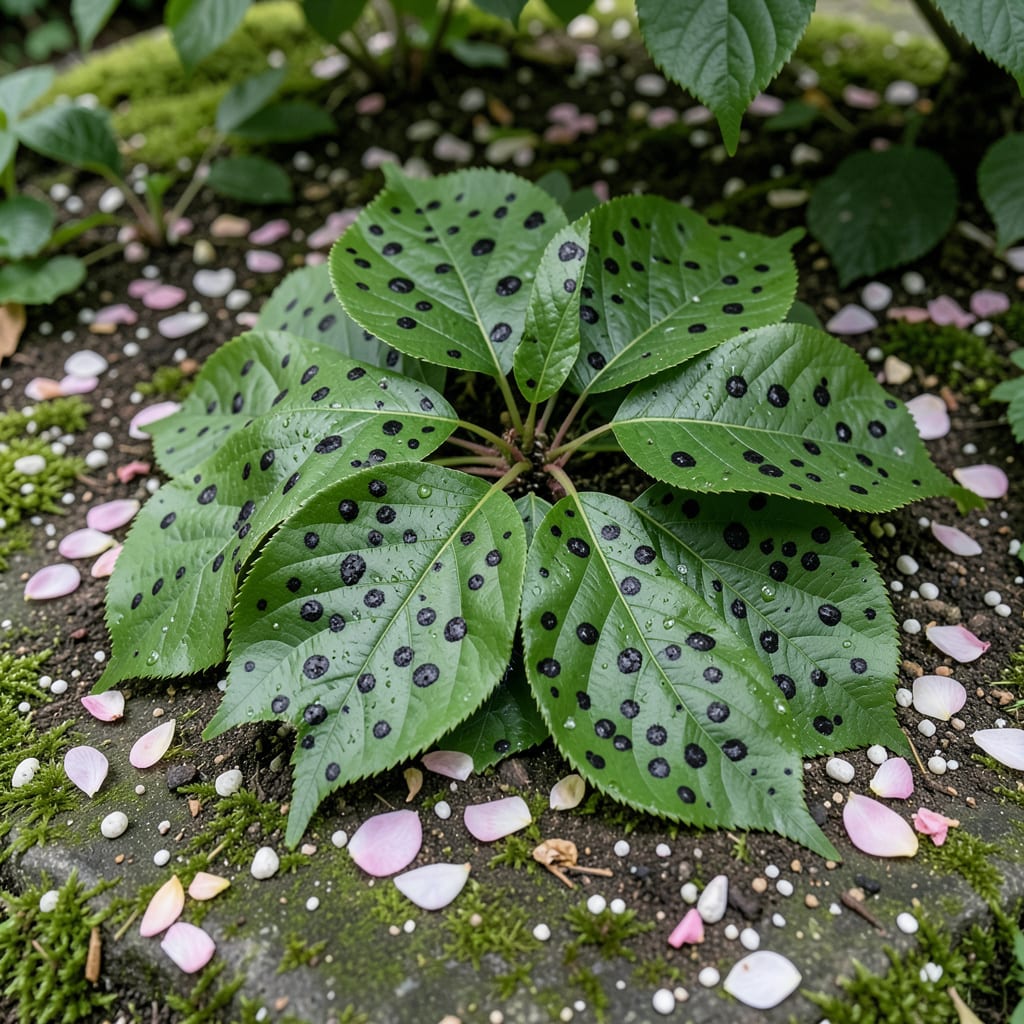
Those black spots on your cherry tree leaves aren’t just ugly—they’re a warning sign. I first noticed them last spring, and ignoring them cost me half my crop.
The culprit is usually a fungal infection that spreads fast in damp conditions. Catching it early means the difference between a healthy tree and one that struggles all season.
You’ll need to act fast with the right treatment, whether organic or chemical, plus some simple cultural changes to keep it from coming back.
With the right approach, your tree can bounce back stronger—and you’ll spot the next outbreak before it takes hold.
Black spots on cherry tree leaves often signal underlying issues that disrupt the tree’s health. Below are the most common causes, explained with actionable insights.
Fungi like Blumeriella jaapii (cherry leaf spot) thrive in wet, humid conditions. Spores land on leaves, germinate, and create dark, circular lesions with fuzzy edges. Without treatment, defoliation can weaken the tree. Act fast: Remove infected leaves and improve airflow to reduce moisture.
Sap-sucking pests, such as aphids or spider mites, pierce leaf tissues, causing stress that manifests as black or brown spots. Their sticky honeydew also promotes sooty mold growth, which appears as dark patches. Solution: Use insecticidal soap or neem oil to disrupt pest life cycles.
Overwatering, poor drainage, or extreme temperature swings can stress cherry trees, leading to leaf discoloration. Waterlogged roots suffocate, while drought causes nutrient deficiencies—both may result in necrotic (black) spots. Fix it: Ensure consistent moisture and well-draining soil.
Lack of essential nutrients like potassium or magnesium can cause leaf tissues to die, forming black spots. Yellowing (chlorosis) often accompanies these deficiencies. Remedy: Conduct a soil test and amend with balanced fertilizers or organic matter.
Tackling black spots on cherry tree leaves starts with identifying the cause and applying the right fix. Below are targeted solutions for common culprits, along with prevention tips to keep your tree healthy.
Fix: Remove and destroy infected leaves to prevent spread. Apply a copper-based fungicide or neem oil to the remaining foliage, following label instructions. Repeat every 7–10 days until symptoms subside.
Prevention: Improve air circulation by pruning dense branches. Water at the base of the tree to keep leaves dry. Clean up fallen debris regularly.
Fix: Blast pests off leaves with a strong stream of water. For severe cases, use insecticidal soap or horticultural oil, applying in the early morning or late evening to avoid harming beneficial insects.
Prevention: Encourage natural predators like ladybugs by planting companion flowers. Inspect leaves weekly for early signs of pests.
Fix: Reduce watering frequency and ensure the soil drains well. If the tree is in a container, repot it with fresh, well-draining soil. For in-ground trees, amend heavy clay soil with compost.
Prevention: Water only when the top 1–2 inches of soil are dry. Use mulch to retain moisture without waterlogging roots.
Fix: Provide afternoon shade for young trees during extreme heat. Deep-water stressed trees to rehydrate roots. Apply a layer of mulch to conserve moisture.
Prevention: Plant cherry trees in locations with partial shade if your climate has intense sunlight. Use drip irrigation for consistent moisture.
💡 Pro Tip: Always sterilize pruning tools with rubbing alcohol between cuts to avoid spreading pathogens. Healthy trees recover faster—fertilize in early spring with a balanced formula to boost resilience!
Left untreated, black spots can spread and cause defoliation, weakening the tree over time. Early intervention prevents long-term damage and keeps your cherry tree productive.
A baking soda spray (1 tablespoon per gallon of water) can help with mild fungal issues. For pests, neem oil works well. Always test on a small area first.
With proper treatment, new growth should appear healthy within 2-3 weeks. Severe cases may take a full season to bounce back completely.
Yes, but only if less than 30% of the foliage is infected. Remove and destroy them to prevent spreading. Never compost diseased leaves.
