
Beautiful Plants For Your Interior
Beautiful Plants For Your Interior
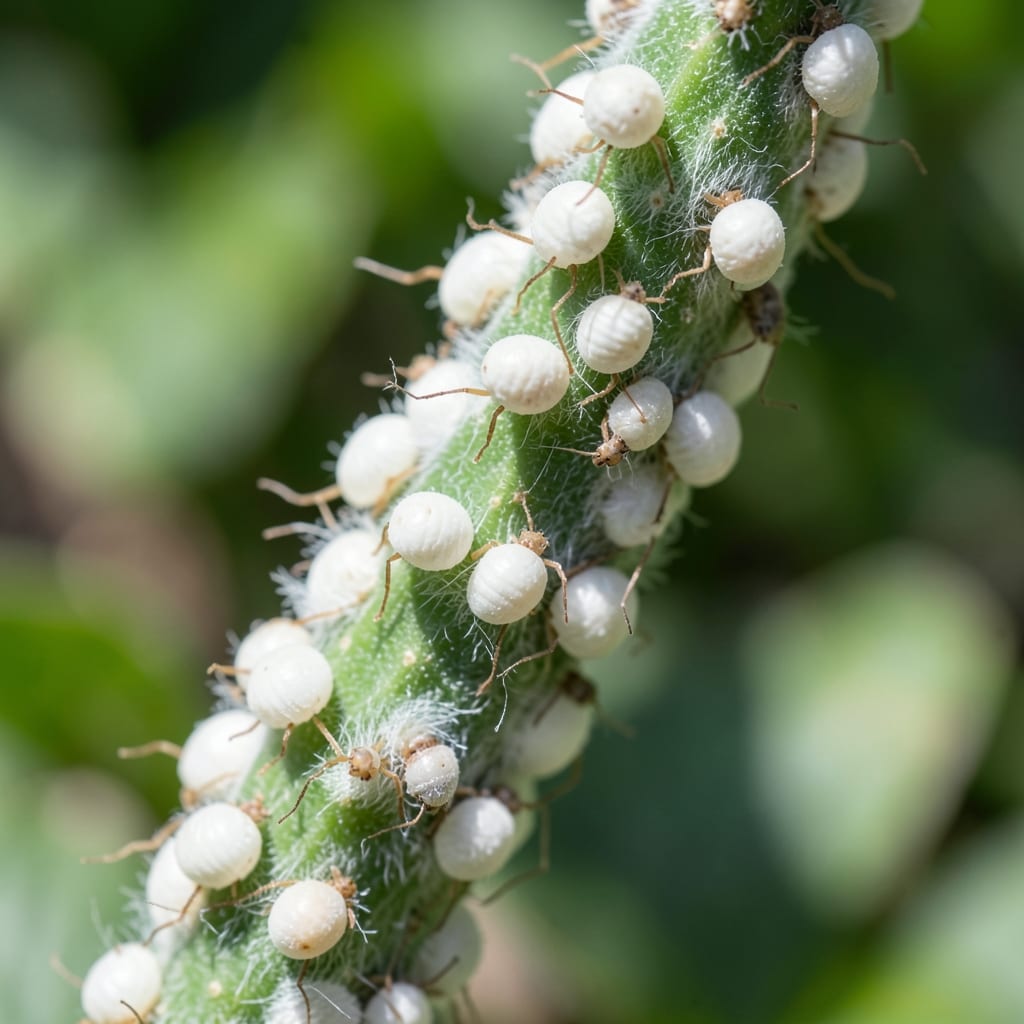
White cottony clusters on your burrow’s tail aren’t decoration. 🌿 These mealybugs suck sap from your pond plants, weakening them and spreading to neighbors faster than you’d expect.
I learned the hard way that ignoring them leads to yellowing leaves and stunted growth. Targeted removal works best—catch them early before they multiply. A cotton swab dipped in rubbing alcohol does the trick for small infestations.
For larger outbreaks, spray with insecticidal soap or neem oil. Both are pond-safe when used correctly. Prevention is simpler: inspect new plants and quarantine them for 2 weeks.
Healthy burrow’s tail means a thriving pond ecosystem. The plants filter water better, provide shade, and keep algae in check. Keep them clean.
Mealybugs on Burrow’s tail plants thrive under specific conditions. Understanding the root causes helps prevent and manage outbreaks effectively.
Burrow’s tail (Sagittaria subulata) grows densely in ponds, and when plants are packed too closely, airflow and water circulation suffer. Mealybugs exploit stagnant, humid environments, which accelerate their reproduction. Action: Thin out plant clusters to improve ventilation and water movement.
Decaying leaves, uneaten fish food, and algae buildup create nutrient-rich breeding grounds for mealybugs. These pests feed on sap but are attracted to organic matter that signals a weak or stressed plant. Action: Regularly remove debris and use a pond skimmer to maintain clean water.
In balanced ecosystems, predators like ladybugs, lacewings, or dragonfly nymphs keep mealybug populations in check. Ponds treated with broad-spectrum pesticides or lacking biodiversity often see infestations spiral. Action: Introduce beneficial insects or avoid chemical interventions that disrupt natural controls.
Burrow’s tail stressed by extreme heat, cold snaps, or sudden water chemistry changes becomes more susceptible to pests. Mealybugs target weakened plants with compromised defenses. Action: Monitor water temperature and pH, and acclimate plants gradually to new conditions.
Mealybugs can be stubborn, but these targeted fixes will help restore your burrows tail’s health. Address each issue with these practical steps:
For small infestations, use a soft toothbrush or cotton swab dipped in rubbing alcohol (70% isopropyl) to gently scrub off the pests. Focus on leaf axils and undersides where they hide. Rinse the plant afterward to remove residue.
Mix 1 teaspoon of mild liquid soap (like Castile) with 1 liter of water and spray directly on mealybugs. The soap breaks down their protective coating. Apply every 3-4 days until gone. Tip: Test on a small area first to avoid plant damage.
For severe cases, use a systemic insecticide labeled for aquatic plants. Follow the dosage carefully to avoid harming pond life. Apply at dusk when beneficial insects are less active.
Look for white cottony clusters in leaf axils or undersides. Yellowing leaves or stunted growth often appear next. Early detection makes treatment much easier.
Avoid vinegar—it can harm burrow’s tail more than the pests. Stick to rubbing alcohol or insecticidal soap for safe, effective removal without plant damage.
Manual removal shows results immediately, but repeat every 3-4 days for 2 weeks. Soap sprays may need 3-5 applications for full control. Consistency is key.