
Beautiful Plants For Your Interior
Beautiful Plants For Your Interior
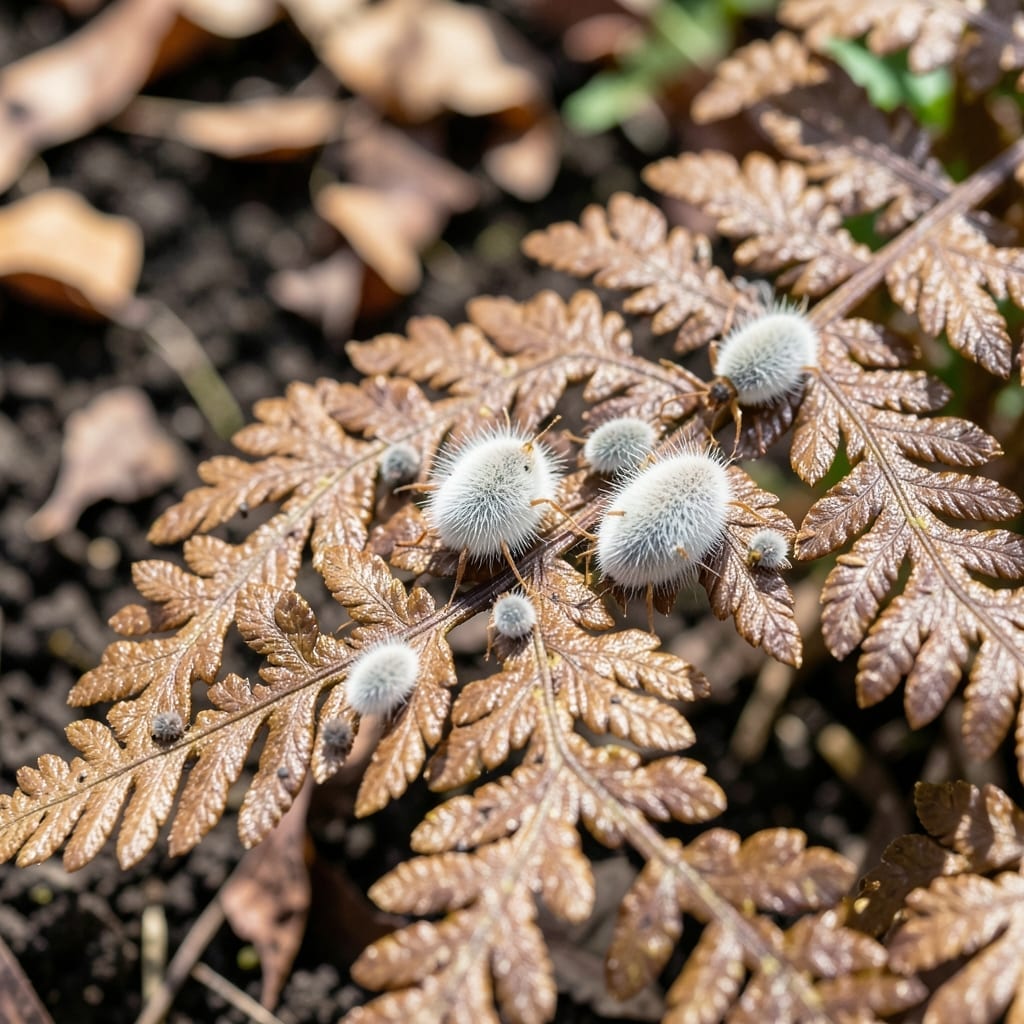
White fluff on your autumn ferns means trouble. 🌿 Mealybugs turn lush fronds into sticky, stunted messes faster than you’d think.
I lost two prized ferns before figuring out the pattern: these pests thrive in dry conditions and crowded plantings. They’re sneaky, hiding in leaf axils and undersides until the damage is obvious.
Natural solutions work best here. A soapy water spray or neem oil treatment stops them in their tracks without harming your plants. Consistency is key—hit them weekly until they’re gone.
Prevention beats cure. Space your ferns properly, maintain humidity, and inspect new plants carefully. Your ferns will thank you with vibrant green growth all season.
Mealybugs thrive on autumn ferns due to a mix of environmental and cultural factors. Understanding these triggers helps you prevent and address outbreaks effectively.
Mealybugs prosper in stable, moist environments with temperatures between 70–80°F (21–27°C). Autumn ferns, often grown in shaded, humid areas (like pond edges or greenhouses), create the perfect breeding ground. High humidity weakens the plant’s natural defenses, while warmth accelerates the pests’ reproductive cycle—females can lay 300–600 eggs in just a few weeks.
Ferns packed too closely together or suffering from poor air circulation are prime targets. Stress from inconsistent watering, nutrient deficiencies, or root bound conditions releases volatile compounds that attract mealybugs. Weakened plants also produce more sap—the pests’ primary food source—making them even more susceptible.
In balanced ecosystems, ladybugs, lacewings, and parasitic wasps keep mealybug populations in check. However, in controlled settings like indoor ponds or isolated gardens, these predators are often absent. Without them, mealybugs multiply unchecked, especially if the ferns are frequently disturbed (e.g., by pruning or repotting), which can displace existing beneficial insects.
Mealybugs hitchhike on contaminated tools, pots, or even other plants. Reusing unsterilized pruners or placing new ferns near infested ones spreads the pests rapidly. Additionally, fallen leaves or plant debris left around the base of autumn ferns provide shelter for mealybugs to overwinter and reinfest the plant later.
Dealing with mealybugs on your autumn ferns? Here’s how to tackle the problem head-on with practical, effective solutions.
For light infestations, start by gently wiping the leaves and stems with a cotton swab dipped in rubbing alcohol (70% isopropyl). This dissolves the bugs’ protective waxy coating and kills them on contact. Focus on the undersides of leaves and stem joints, where mealybugs love to hide. Repeat every 3–4 days until the pests are gone.
For larger outbreaks, use a homemade insecticidal soap. Mix 1 tsp mild liquid soap (like Castile) with 1 liter of water and spray it directly onto the bugs. The soap breaks down their cell membranes, causing them to dehydrate. Apply in the early morning or late evening to avoid harming the fern in direct sunlight. Reapply every 5–7 days as needed.
Neem oil is another great option. Mix 1 tbsp neem oil with 1 tsp dish soap and 1 liter of water, then spray thoroughly. Neem disrupts the mealybugs’ life cycle, preventing them from reproducing. Use weekly for prevention after the infestation clears.
Introduce natural predators like ladybugs, lacewings, or parasitic wasps to your garden. These insects feed on mealybugs and can help keep their numbers in check. Purchase them from garden centers and release them near your autumn ferns for best results.
With consistency, these methods will help you eliminate mealybugs and protect your autumn ferns long-term!
They appear as small, white, cottony clusters on leaves and stems. You might also notice a sticky residue called honeydew on the fronds.
Mealybugs return due to hidden eggs or reinfestation from nearby plants. Check leaf undersides and stem joints thoroughly, and treat all plants in the area.
Yes, but test on a small area first. Use 70% isopropyl alcohol on a cotton swab to avoid burning the leaves. Apply gently and avoid over-saturating.
For active infestations, treat every 3–4 days with soapy water or neem oil. Continue for 2 weeks after the last sign to ensure they’re gone.