
Beautiful Plants For Your Interior
Beautiful Plants For Your Interior
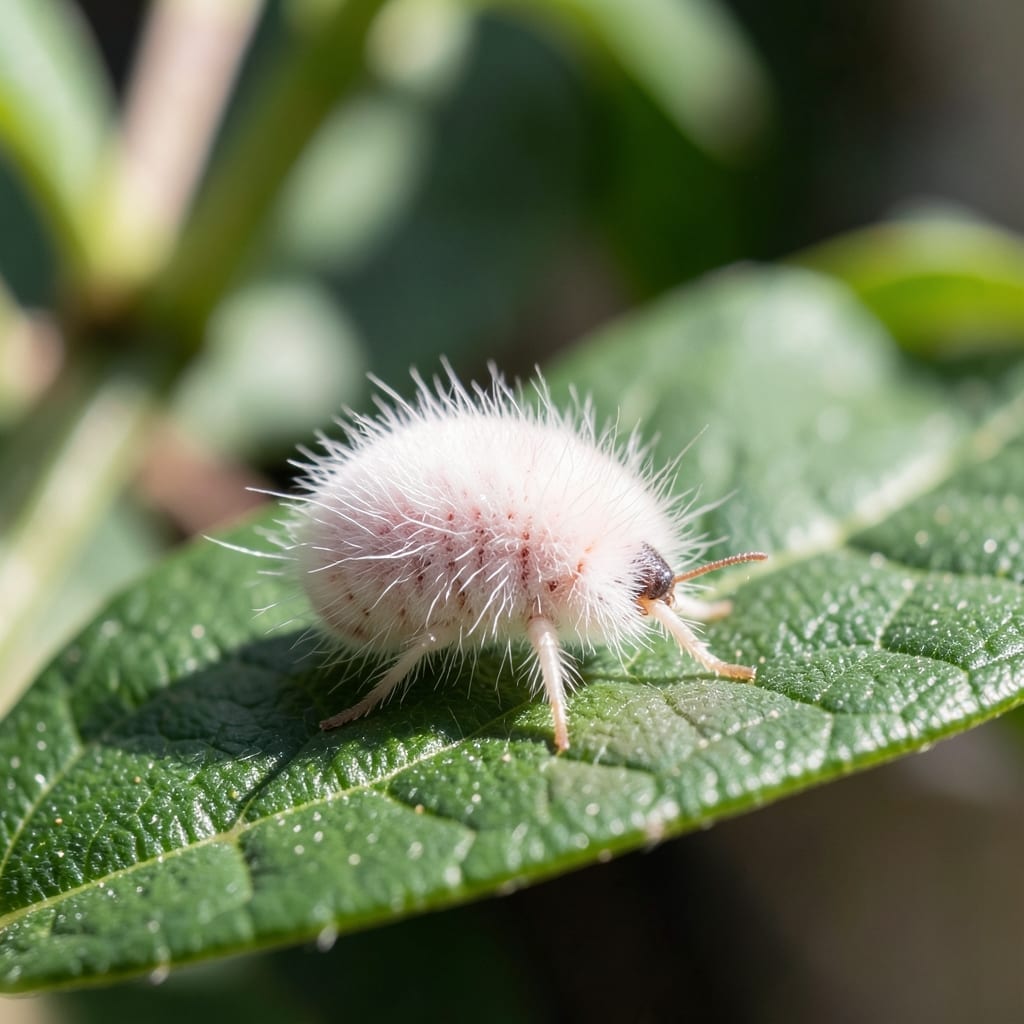
White cottony clusters on your plants mean trouble. I first spotted mealy bug larvae last summer on my prized ferns, and within days they’d spread to three other houseplants.
These pests suck plant juices, causing yellowing leaves and stunted growth. They hide in leaf axils and stem crevices, making them tricky to spot until the infestation is serious.
Their waxy coating repels water, so regular sprays won’t touch them. I learned the hard way that early action is everything—wait too long and you’re fighting an uphill battle.
Organic solutions work best when applied consistently. The key is persistence: these bugs are stubborn, but with the right approach, your plants can recover completely.
Understanding why mealy bug larvae appear is the first step in preventing their spread. These pests thrive under specific conditions, often exploiting weaknesses in plant care or environmental factors. Below are the primary causes behind their emergence.
Mealy bugs reproduce rapidly in warm, humid climates (70–90°F with 50–80% humidity). Greenhouses, indoor gardens, and tropical regions are prime breeding grounds. The larvae, called crawlers, hatch and spread quickly when conditions mimic their native subtropical habitats. Poor airflow exacerbates the issue by trapping moisture near plants.
Weak or overcrowded plants emit stress signals (e.g., volatile organic compounds) that attract mealy bugs. Overwatering, underwatering, or nutrient deficiencies create vulnerable hosts. Larvae target stressed plants because their weakened defenses make it easier to feed on sap. Prune regularly and space plants adequately to reduce stress.
In outdoor ecosystems, predators like ladybugs, lacewings, and parasitic wasps keep mealy bug populations in check. However, indoor gardens or monoculture setups often lack these beneficial insects. Without natural enemies, larvae multiply unchecked. Introduce predatory insects or use neem oil to disrupt their life cycle.
Mealy bug larvae often hitchhike on new plants, potting soil, or garden tools. Infested soil can harbor eggs or young larvae, which emerge when conditions are favorable. Always quarantine new plants for 2–3 weeks and sterilize soil (e.g., baking at 200°F for 30 minutes) to kill hidden pests.
Tackling mealy bug larvae requires a mix of immediate action and long-term prevention. Below are targeted solutions for common causes, paired with practical prevention tips to keep your plants thriving.
Fix: Thin out dense foliage to improve airflow and reduce hiding spots for larvae. Prune affected areas and isolate heavily infested plants to prevent spread. Use a soft brush or cotton swab dipped in 70% isopropyl alcohol to manually remove visible larvae.
Prevention: Space plants according to their mature size. Regularly inspect leaves, stems, and soil for early signs of infestation.
Fix: Wipe down leaves with a damp cloth or neem oil solution (1 tbsp neem oil + 1 tsp dish soap per gallon of water) to disrupt larvae and eggs. Remove fallen leaves and debris around the base of the plant, where larvae often hide.
Prevention: Maintain a clean growing area. Sterilize tools and pots between uses to avoid cross-contamination.
Fix: Let the top inch of soil dry out between waterings. If humidity is an issue, use a dehumidifier or improve ventilation. For potted plants, ensure drainage holes are unclogged.
Prevention: Water only when necessary and avoid misting plants prone to mealy bugs. Grouping plants too closely can trap moisture—keep them spaced out.
Fix: Introduce beneficial insects like ladybugs, lacewings, or parasitic wasps (e.g., Leptomastix dactylopii) to your garden. These predators feed on mealy bug larvae and can provide long-term control.
Prevention: Create a pollinator-friendly garden with diverse plants to attract and sustain beneficial insects year-round.
💡 Pro Tip: For severe infestations, apply insecticidal soap or horticultural oil in the early morning or late evening to avoid harming beneficial insects. Always follow label instructions for safe and effective use.
Look for tiny white cottony spots in leaf crevices or stem joints. These are the first signs of larvae, often appearing before the full waxy coating develops.
Neem oil or 70% isopropyl alcohol on a cotton swab works best. Apply directly to visible larvae and repeat every 3-4 days for 2 weeks to break their life cycle.
Hidden eggs or missed larvae often cause reinfestation. Quarantine new plants for 3 weeks and inspect thoroughly. Maintain consistent treatment to eliminate all life stages.
Yes, but isolate it immediately. Prune heavily affected areas, treat with insecticidal soap, and monitor daily. Severe cases may require discarding the plant to protect others.