
Beautiful Plants For Your Interior
Beautiful Plants For Your Interior
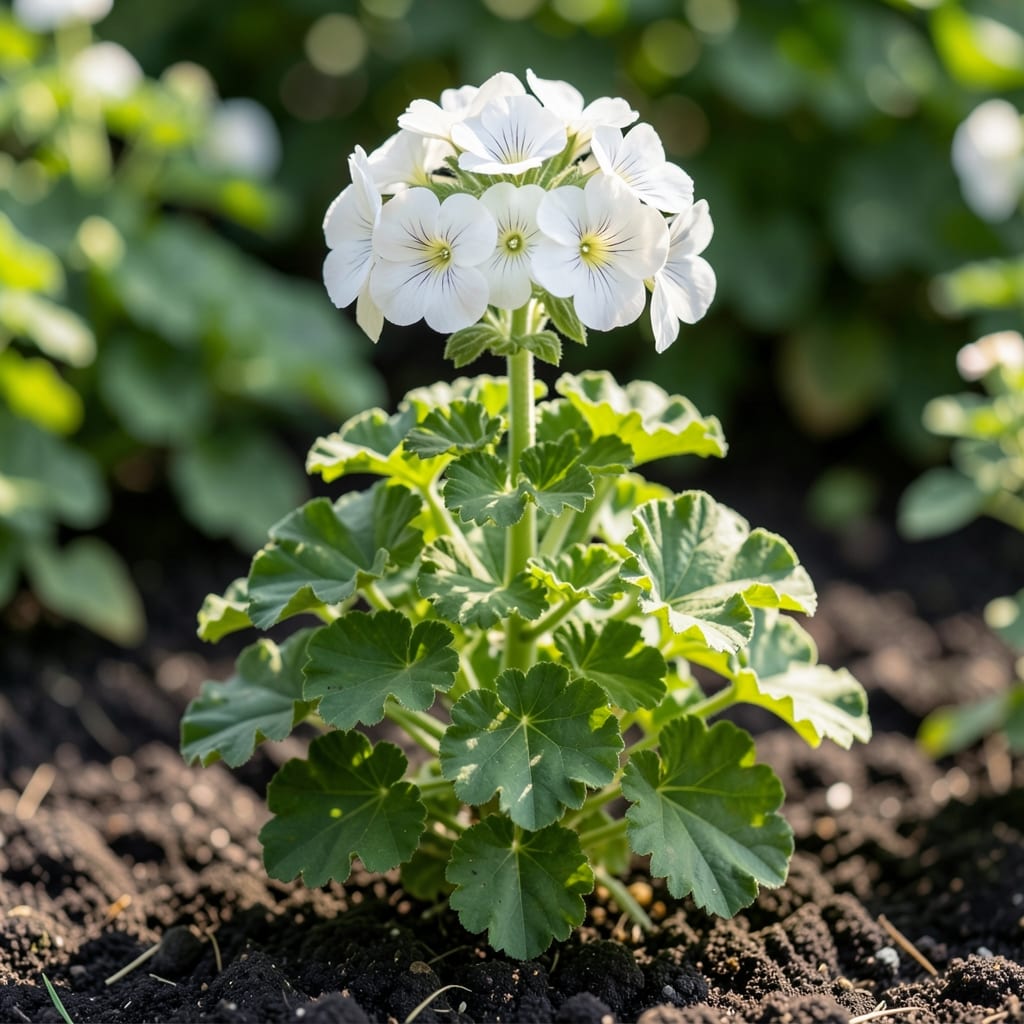
White blooms that refuse to quit even in 100°F heat. Maverick geraniums became my go-to after every other variety wilted in our brutal summers. They laugh at drought, shrug off poor soil, and keep pumping out flowers from spring until frost.
Here’s the thing—they’re not fussy. Give them 6+ hours of sun, don’t overwater, and deadhead spent blooms. That’s it. The payoff is a plant that outlasts every other annual in your garden.
📚 In This Guide
Here’s the straightforward method I use to get these beauties blooming their brightest.
Select a spot with full sun to partial shade—Maverick White geraniums thrive in 6-8 hours of sunlight daily. If you’re in a hotter climate, afternoon shade keeps the blooms from scorching. I’ve found they do best in well-draining soil with a slightly acidic to neutral pH.
Check the area for good airflow to prevent fungal issues. Poor circulation can lead to mildew, which shows up as white powder on the leaves. If planting in containers, ensure the pots have drainage holes to avoid waterlogging.
Dig holes about 12-18 inches apart to give each plant enough room to spread. Place the geranium in the hole so the top of the root ball is level with the soil surface. Backfill with soil and press gently to remove air pockets.
Water deeply after planting, then let the soil dry slightly between waterings. You’ll know it’s time to water again when the top inch of soil feels dry to the touch. Overwatering causes yellow leaves and root rot, so err on the side of too little rather than too much.
Apply a balanced, water-soluble fertilizer every 4-6 weeks during the growing season. I use a 10-10-10 formula, but any general-purpose fertilizer will work. Too much nitrogen leads to leafy growth at the expense of flowers, so stick to the recommended dose.
Deadhead spent blooms regularly to encourage continuous flowering. You’ll see new buds forming within 1-2 weeks after removing the old ones. This keeps the plant looking tidy and directs energy toward producing more white blooms.
Trim back leggy stems or those with faded blooms to maintain a compact shape. Use clean, sharp shears to avoid damaging the plant. Pruning also improves airflow, which reduces the risk of disease.
Watch for pests like aphids or whiteflies, which often appear as sticky residue on leaves or tiny insects on the undersides. A strong blast of water or insecticidal soap usually takes care of them. Real talk: catching pests early saves a lot of trouble later.
In colder climates, Maverick White geraniums are often grown as annuals. If you want to overwinter them, dig up the plants before the first frost and pot them to bring indoors. Place them in a cool, bright spot and reduce watering.
You’ll notice they may stop blooming indoors, but they’ll bounce back once moved outside in spring. Here’s the thing—geraniums are tough, and even if they look a bit sad over winter, they’ll often recover beautifully with the right care.
Here’s what I’ve learned to keep these plants thriving year after year.
Sunlight Sweet Spot: Those 6-8 hours of daily sunlight are non-negotiable for vibrant blooms. If your climate gets intense afternoon sun, don’t hesitate to provide shade during the hottest part of the day. I’ve seen plants scorch when left in direct, unfiltered sunlight for too long.
Watering Wisdom: The top inch of dry soil rule is your best guide. Overwatering is the most common mistake I see—yellow leaves are usually the first sign you’ve been too generous with the hose. When in doubt, wait another day.
Fertilizer Discipline: Stick to the 4-6 week schedule with your balanced fertilizer. It’s tempting to feed more often for bigger blooms, but too much nitrogen will give you lush leaves at the expense of those beautiful white flowers we’re after.
Airflow Advantage: Confession: I skipped this early on and wondered why my plants kept getting mildew. Good circulation prevents fungal issues, so space your plants those 12-18 inches apart and trim back any overcrowded areas. It makes a noticeable difference in plant health.
Keep it in well-draining soil with full sun (6+ hours daily). Water when the top inch of soil is dry, and fertilize every 2-4 weeks with a balanced plant food. Deadhead spent blooms to encourage new growth.
Plant after the last frost in spring (April–May) when soil temperatures reach 60°F. In warm climates, you can plant in early fall for a second bloom cycle.
Try ‘White Splash’ or ‘Crystal Clear White’ geraniums for similar looks. Petunias, impatiens, or white alyssum also offer bright, low-maintenance alternatives.
Check for overwatering, insufficient sunlight, or nutrient deficiencies. Prune leggy stems and ensure proper drainage. A phosphorus-rich fertilizer can boost flowering.
Yellow leaves often signal overwatering or poor drainage. Reduce watering, improve soil aeration, and check for pests like spider mites. Trim affected foliage to redirect energy.