
Beautiful Plants For Your Interior
Beautiful Plants For Your Interior
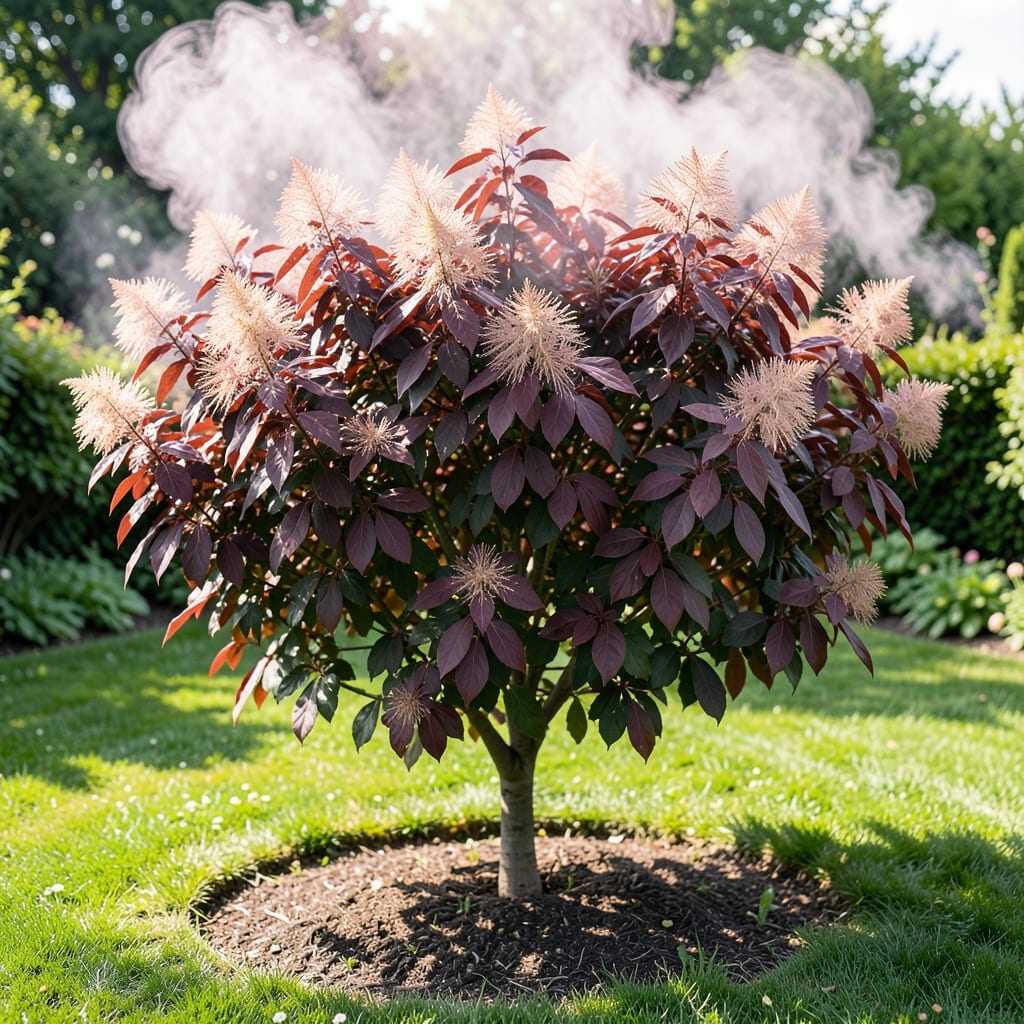
Those deep red leaves on your tree aren’t just autumn color. I’ve seen anthracnose turn healthy foliage maroon overnight, and catching it early makes all the difference.
Look for irregular brown spots with purple edges, especially after wet weather. The good news? Organic treatments like neem oil and proper pruning can stop the spread without harsh chemicals.
📚 In This Guide
Here’s the method I use to identify and treat anthracnose without harsh chemicals.
Examine the affected leaves closely for irregular brown or maroon spots with dark, sunken centers and yellow halos. These lesions often appear along the veins first and may merge into larger dead patches as the disease progresses.
Check the undersides of leaves for matching symptoms, as anthracnose can infect both surfaces. I always compare affected leaves to healthy ones on the same tree—this contrast makes the disease’s signature damage unmistakable.
Look for premature leaf drop, which is common in severe cases. The spots may also appear on stems and fruit if the infection spreads. This visual confirmation is crucial before beginning any treatment.
Prune away all affected leaves, stems, and branches using clean, sharp tools. Make cuts at least 2-3 inches below visible lesions to ensure complete removal of infected tissue. I sanitize my pruners between cuts with rubbing alcohol to prevent spreading the fungus.
Collect all fallen leaves and plant debris from beneath the tree—these harbor fungal spores that will reinfect your plant. Bag and remove this material from your garden entirely. Never compost infected plant matter, as home compost piles rarely get hot enough to kill the pathogen.
Disinfect your tools after completing this step. A solution of 1 part bleach to 9 parts water works effectively for metal pruning tools.
Mix a copper-based fungicide according to package instructions and apply it thoroughly to all leaf surfaces, stems, and the trunk. I use a pump sprayer for even coverage, paying special attention to leaf undersides where spores often collect.
Apply the treatment in the early morning when temperatures are below 90°F to prevent leaf burn. Repeat applications every 7-10 days during wet weather, as moisture spreads the fungus rapidly.
For a gentler approach, a baking soda solution (1 tablespoon per gallon of water plus a drop of dish soap as a spreader) can suppress mild infections. This works best as a preventive measure rather than a cure for established cases.
Thin out dense foliage to improve air circulation, which helps leaves dry faster after rain or irrigation. I aim for at least 6-8 inches of space between branches to allow proper airflow.
Water at the base of the tree rather than overhead to keep foliage dry. If using sprinklers, run them in the early morning so leaves have time to dry during the day. Avoid evening watering when leaves stay wet overnight.
Apply a 2-3 inch layer of organic mulch around the base to prevent soil splashing onto leaves, which can spread spores. Keep mulch 3-4 inches away from the trunk to prevent rot.
These practical insights will help you effectively manage anthracnose without compromising your tree’s health.
Identification Clarity: In Step 1, don’t rush the examination—take your time comparing affected leaves to healthy ones. The contrast between the irregular maroon spots with dark centers and yellow halos against normal foliage is your clearest confirmation. I’ve found that using a magnifying glass helps spot early infections along the veins.
Pruning Precision: When removing infected material in Step 2, those 2-3 inches below visible lesions aren’t just a suggestion. The fungus can spread internally beyond what you see, so cutting closer risks leaving infection behind. Also, that bleach solution ratio of 1 part bleach to 9 parts water is perfect for tool disinfection—strong enough to kill spores but safe for metal.
Treatment Timing: For Step 3, applying treatments in the early morning when temperatures are below 90°F prevents leaf burn while allowing maximum absorption. The 7-10 day repeat schedule during wet weather isn’t arbitrary—it matches the fungus’s life cycle. If using the baking soda solution, remember it’s preventive, not curative for advanced cases.
Cultural Prevention: In Step 4, that 6-8 inches of space between branches significantly reduces humidity around foliage. I learned the hard way that skipping the mulch barrier—keeping it 3-4 inches from the trunk—can lead to both rot and continued spore spread from soil splash.
Anthracnose is typically caused by fungal pathogens like Colletotrichum or Gloeosporium, which thrive in warm, wet conditions. These fungi infect leaves, leading to dark, sunken lesions and maroon discoloration.
Use organic fungicides like neem oil or copper-based sprays. Prune infected leaves to improve airflow and reduce fungal spread. Keep the area clean and avoid overhead watering to prevent recurrence.
Treat early in the growing season or at the first sign of symptoms. Apply organic fungicides in the morning for best absorption, and repeat every 7–10 days during wet weather.
Yes, anthracnose can spread to nearby susceptible plants, especially in damp conditions. Remove infected leaves promptly and avoid working with wet foliage to minimize contamination.
Baking soda sprays (1 tbsp per gallon of water with a drop of soap) or compost tea can help manage anthracnose naturally. Ensure good plant hygiene and proper spacing for air circulation.