
Beautiful Plants For Your Interior
Beautiful Plants For Your Interior
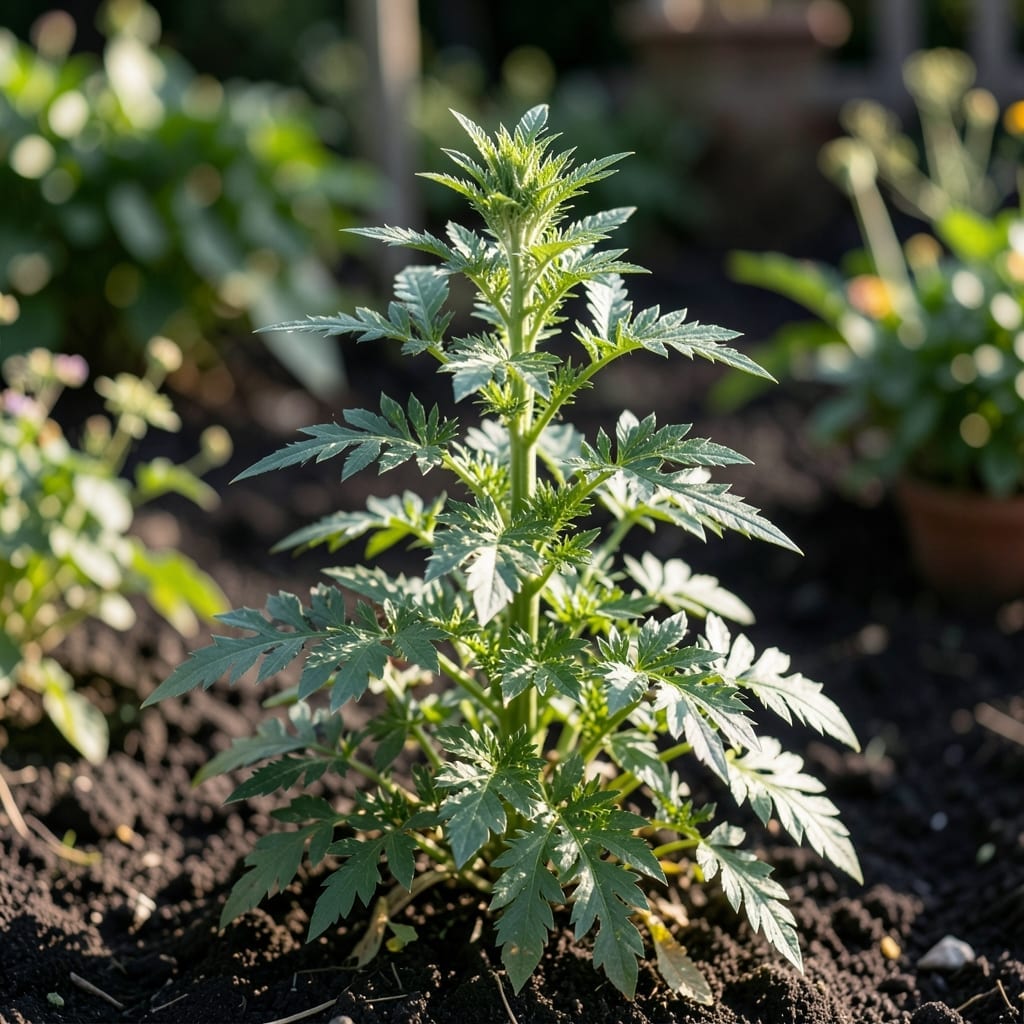
No flowers on your marigolds is frustrating—I’ve been there. The plants look healthy, but those cheerful blooms just won’t appear. It’s usually a simple fix, not poor gardening luck.
Most times, it’s about light, water, or food. Too little sun leaves them leggy. Overwatering drowns the roots. And weak soil? That’s like running a race on an empty stomach.
With the right adjustments, you’ll see buds forming in 1-2 weeks. Marigolds are tough—they bounce back fast when conditions improve.
Let’s troubleshoot and get those golden blooms back where they belong.
Marigolds are usually prolific bloomers, so when they fail to flower, it’s often due to specific, fixable conditions. Below are the most common causes, explained with actionable insights.
Marigolds need full sun (6–8+ hours of direct sunlight daily) to trigger flowering. Insufficient light disrupts photosynthesis, reducing the energy needed for bloom production. If your plants are in shade, relocate them or trim nearby obstructions.
Too much water can rot roots and prevent nutrient uptake, while drought stress stalls growth. Marigolds prefer moist but well-drained soil. Water deeply when the top inch of soil is dry, and ensure pots have drainage holes.
Excess nitrogen (common in high-nitrogen fertilizers) promotes lush foliage at the expense of flowers. Switch to a balanced fertilizer (e.g., 10-10-10) or a bloom-boosting formula higher in phosphorus (the middle number). Avoid over-fertilizing—it can burn roots.
Marigolds thrive in 70–85°F (21–29°C) days. Extreme heat (above 90°F/32°C) or cold snaps can delay flowering. Use shade cloth in scorching climates or protect plants during unexpected frosts.
Planting too early in cool spring soil can stunt growth. Wait until soil temps reach 60°F (15°C) and all frost risks pass. For head starts, sow seeds indoors 6–8 weeks before the last frost.
Aphids, spider mites, or fungal infections (like powdery mildew) sap plant energy. Inspect leaves for yellowing, spots, or webbing. Treat with neem oil or insecticidal soap, and improve air circulation to prevent recurrence.
If your marigolds are stubbornly refusing to bloom, don’t worry—here’s how to coax those cheerful flowers back to life.
Marigolds need space to thrive. If they’re packed too tightly, thin them out so each plant has 8–12 inches of room. Refresh the soil by mixing in compost or well-rotted manure to improve drainage and fertility. Prevention tip: 💡 Start with nutrient-rich soil and avoid over-planting from the get-go.
Marigolds are sun-worshippers, requiring at least 6–8 hours of direct sunlight daily. If they’re in shade, relocate them to a sunnier area or trim back nearby plants blocking light. Prevention tip: 🌞 Always check sunlight conditions before planting.
Soggy soil can rot roots, while drought stresses the plant. Water marigolds deeply but infrequently—let the top inch of soil dry out between waterings. Use mulch to retain moisture without waterlogging. Prevention tip: 💦 Stick your finger in the soil to test moisture before watering.
Too much nitrogen promotes lush foliage but fewer blooms. Switch to a balanced, low-nitrogen fertilizer (like 5-10-10) or use a phosphorus-rich option to encourage flowering. Prevention tip: 🎯 Fertilize lightly every 4–6 weeks during growing season.
Young marigolds may take 4–6 weeks to flower after planting. If they’re healthy but slow, be patient. Pinch back leggy stems to encourage bushier growth and more blooms. Prevention tip: ⏰ Start seeds indoors 6–8 weeks before the last frost for earlier flowers.
Marigolds require 6–8+ hours of direct sunlight to bloom. Less light leads to leggy growth and no flowers. Move them to a sunnier spot if needed.
Yes! Soggy soil rots roots and prevents blooming. Water only when the top inch of soil is dry, and ensure proper drainage.
Avoid high-nitrogen blends. Use a balanced fertilizer (e.g., 10-10-10) or one higher in phosphorus to boost flowers.
Young marigolds typically flower in 4–6 weeks. If they’re healthy but slow, be patient and pinch leggy stems to encourage blooms.