
Beautiful Plants For Your Interior
Beautiful Plants For Your Interior
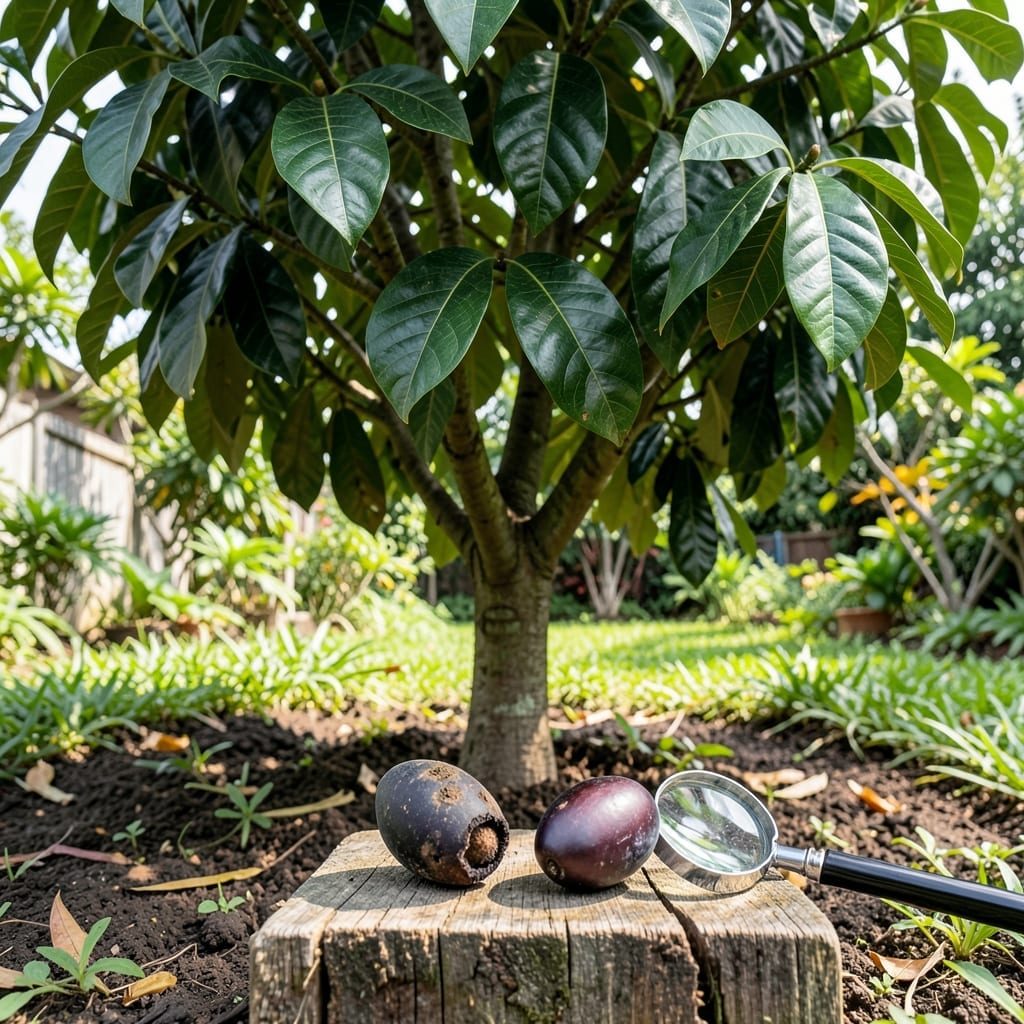
That sinking feeling when your mango seedling turns to mush overnight? I’ve been there. Mango seed rot sneaks up fast, turning healthy white roots into dark, slimy threads before you even notice.
Here’s the thing—it’s usually overwatering or poor drainage doing the dirty work. The seed can’t breathe, fungi move in, and suddenly your future shade tree is history.
Catch it early and you’ve got a fighting chance. Look for soft, blackened stems and a foul smell coming from the soil. That’s your cue to act fast.
With a few simple tweaks to your setup and some organic treatments, you can salvage the seedling and prevent it from happening again. Let’s get those roots back on track.
Understanding why mango seed rot occurs is the first step toward prevention and treatment. This condition typically stems from a combination of environmental, biological, and cultural factors that compromise the seed’s health. Below are the primary causes, broken down for clarity.
Mango seed rot is often triggered by overwatering or poor soil drainage. When seeds or seedlings sit in waterlogged soil, oxygen is deprived from the roots, creating an anaerobic environment. This stifles root respiration and encourages the growth of Phytophthora and Fusarium fungi, which thrive in damp conditions. Ensure soil is well-draining and avoid over-irrigation, especially during the rainy season.
The most common culprits are soil-borne fungi like Phytophthora palmivora and Lasiodiplodia theobromae. These pathogens infect the seed through wounds or weak points, especially in warm, humid climates. Fungal spores spread easily via contaminated soil, water, or gardening tools. Sterilizing soil and tools can significantly reduce infection risks.
Storing mango seeds in high-humidity or poorly ventilated conditions accelerates rot. Seeds need a dry, cool environment to remain viable. If stored improperly, moisture buildup leads to internal decay before planting. Always dry seeds thoroughly and store them in breathable containers to prevent fungal growth.
Weak or stressed seedlings are more susceptible to rot. Factors like nutrient deficiencies, physical damage, or extreme temperatures compromise their defenses. Strengthen seedlings by providing balanced fertilization, avoiding mechanical injuries, and maintaining stable growing conditions.
Dealing with mango seed rot requires quick action and consistent care. Below are targeted solutions for common causes, along with prevention tips to keep your mango trees healthy.
If excess moisture is the culprit, adjust your watering schedule. Let the top 1-2 inches of soil dry out between waterings. For potted mangoes, ensure pots have drainage holes. In the ground, mix in sand or perlite to enhance soil aeration. Prevention tip: 💡 Use a moisture meter to avoid guesswork.
Fungi like Phytophthora thrive in damp conditions. Treat affected trees with neem oil or copper-based fungicides, spraying every 7–10 days until the issue resolves. Remove and destroy infected fruit or seeds to stop the spread. Prevention tip: ✨ Space trees properly for airflow and prune dense canopies.
For harvested mangoes, seed rot can set in if stored improperly. Keep fruits in a cool, dry place (50–55°F) with low humidity. Avoid stacking mangoes to prevent moisture buildup. Prevention tip: 🎯 Use breathable containers like mesh bags instead of plastic.
Weak trees are more susceptible. Amend soil with compost or well-rotted manure to improve fertility. A balanced organic fertilizer (e.g., 10-10-10) can restore vigor. Prevention tip: 🌱 Test soil annually and adjust amendments as needed.
Early intervention is key—act at the first sign of trouble to save your crop!
Look for soft, discolored spots or a foul odor. Healthy seeds are firm and white inside, while rotting ones turn mushy and dark. Early signs include blackened stems or slow germination.
Use a well-draining mix with 50% perlite or sand and 50% potting soil. This ensures excess water flows away from the seed, reducing rot risk. Avoid heavy clay soils.
If caught early, trim affected areas with sterilized tools and repot in fresh, dry soil. Severe rot means it’s best to discard the seed to prevent spreading fungi.
Water only when the top 1-2 inches of soil feel dry. Overwatering is the top cause of rot, so err on the side of too little rather than too much.