
Beautiful Plants For Your Interior
Beautiful Plants For Your Interior
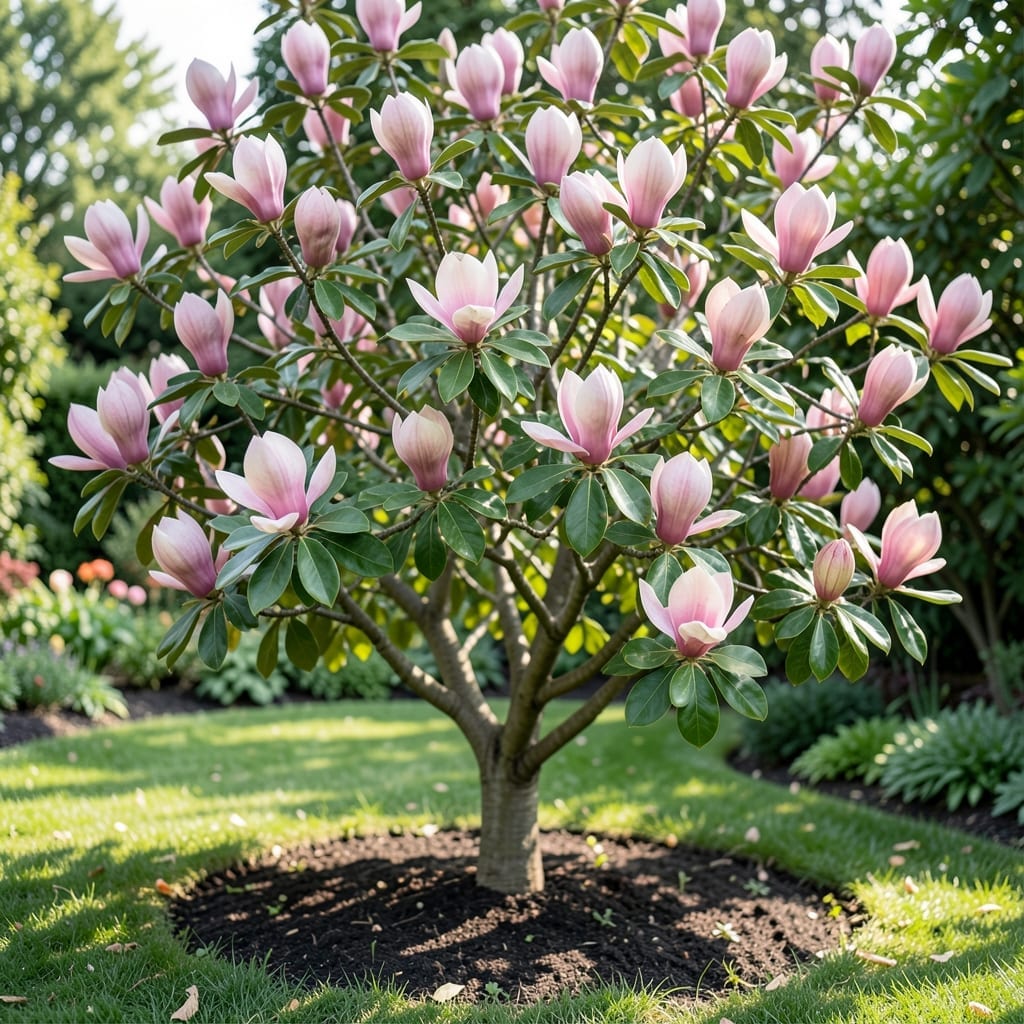
Watching your 🌳 Magnolia burst into bloom is a gardener’s rite of spring, but knowing exactly when to expect those spectacular flowers can be tricky. The timeline from March till frost varies by species and climate.
I’ve learned that understanding your tree’s unique rhythm makes all the difference. Whether you’re in Zone 6 or a warmer region, the key is aligning care with nature’s schedule.
Discover how to maximize your Magnolia’s blooming season with simple, seasonal strategies. Let’s make this your most vibrant year yet.
Understanding your magnolia’s blooming timeline helps you anticipate its spectacular display. From early spring to the first frost, each variety follows a unique rhythm. I’ve seen star magnolias burst into bloom as early as March, while others wait until summer.
Climate plays a huge role in this schedule. In warmer zones, blooms may arrive weeks earlier than in cooler regions. Tracking these patterns ensures you won’t miss a single flower.
| Variety | Bloom Time | Climate Notes |
| Star Magnolia | March-April | Early bloomer, cold-hardy |
| Saucer Magnolia | April-May | Moderate chill needs |
| Southern Magnolia | May-July | Thrives in heat |
| Sweetbay Magnolia | June-August | Late bloomer, semi-evergreen |
The star magnolia is often the first to show off, with its delicate white flowers appearing in early March in warmer climates. It’s a favorite for gardeners eager for the first signs of spring.
Saucer magnolias follow closely, typically blooming in April or May. Their large, showy pink-purple blooms are a garden highlight. I recommend planting these in sheltered spots to protect from late frosts.
For those in warmer regions, the Southern magnolia steals the show with its fragrant white flowers from May to July. This variety thrives in heat and humidity, making it perfect for southern gardens.
The Sweetbay magnolia is a late bloomer, with its creamy-white flowers appearing from June to August. It’s semi-evergreen, providing year-round interest and a longer blooming season.
In cooler climates, the blooming window may shift later. A late frost can damage early blooms, so I always suggest choosing varieties suited to your USDA hardiness zone. This ensures a reliable display year after year.
Proper care can extend your magnolia’s blooming season. Consistent watering and balanced fertilization in early spring support healthy growth. Avoid late-season pruning, as it can remove next year’s flower buds.
I’ve found that mulching around the base helps retain moisture and regulate soil temperature. This is especially important during dry spells or extreme heat, which can stress the tree and shorten the blooming period.
By aligning your care with the natural timeline of your magnolia, you’ll enjoy a longer, more vibrant display from March till frost 🌳
Your magnolia’s blooming season depends heavily on climate factors like hardiness zones and winter chill. In Zone 6, expect blooms later than in Zone 8, where warmth arrives earlier. I’ve noticed that even microclimates in your yard can shift timing by weeks.
Winter chill hours are critical for many varieties to set buds. Without enough cold, some magnolias may skip blooming entirely. This is why Southern magnolias thrive in warmer regions, while star magnolias prefer cooler winters.
✅ Key Factors for Magnolia Blooming:
Pruning timing is another game-changer. I always prune my magnolias right after blooming to avoid cutting off next year’s buds. Late pruning can delay or reduce flowering, which no gardener wants to see.
Soil conditions also play a big role. Magnolias prefer acidic, well-draining soil. If your soil is too alkaline, you might notice yellowing leaves or poor blooming. A simple soil test can help you adjust accordingly.
To extend your magnolia’s display, focus on consistent moisture during bud formation. Drought stress can cause buds to drop before opening. I use a 2-3 inch mulch layer to retain soil moisture and keep roots cool.
Finally, fertilization supports strong blooming. Apply a balanced, slow-release fertilizer in early spring, but avoid over-fertilizing. Too much nitrogen can lead to leafy growth at the expense of flowers.
By tuning into these factors, you’ll help your magnolia thrive from March till frost 🌳