
Beautiful Plants For Your Interior
Beautiful Plants For Your Interior
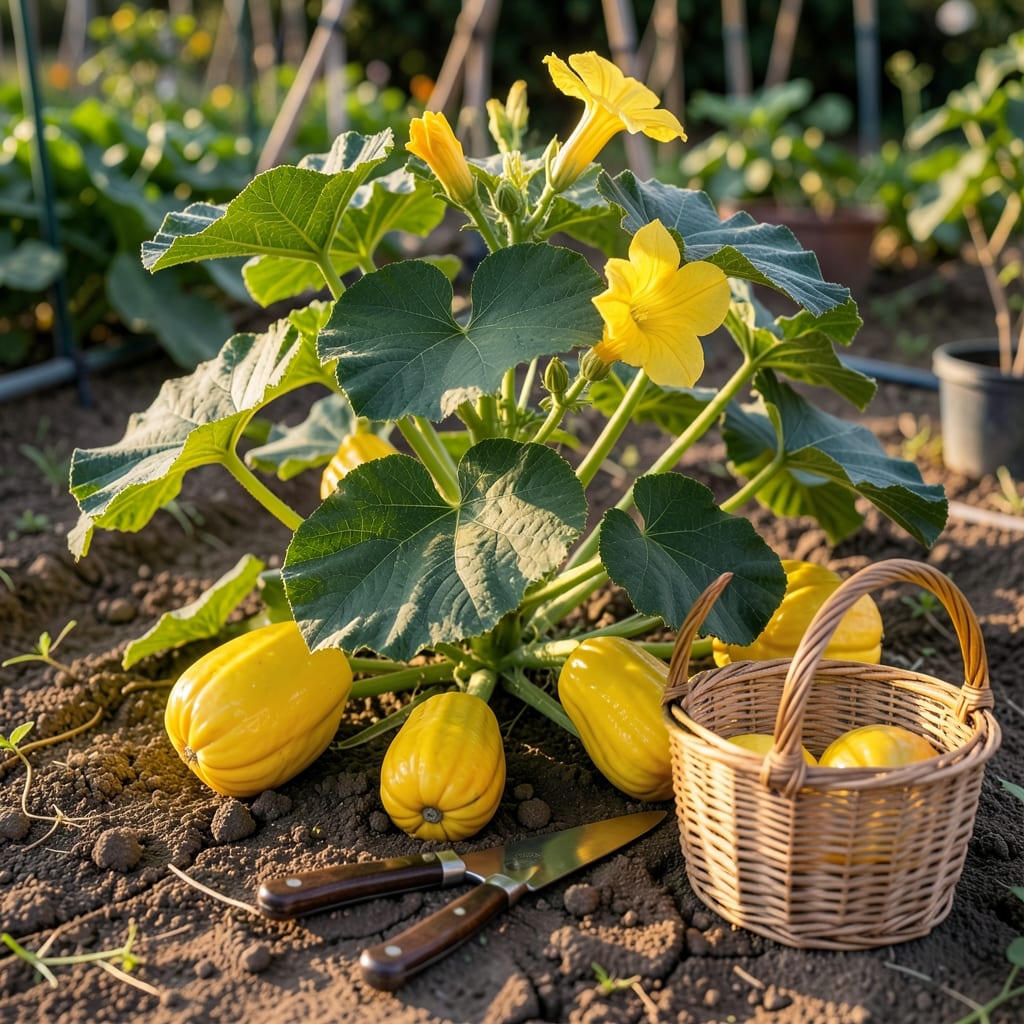
That first sight of lumpy yellow squash on your vines feels like a gut punch. 🌱 I’ve been there—staring at deformed fruits wondering what went wrong overnight.
The culprit is usually one of three things: inconsistent watering, pollination problems, or a sneaky virus. Each leaves a distinct mark on your squash, and the fix is simpler than you’d think.
With a few adjustments to your routine, you’ll see normal fruits forming within 1-2 weeks. The key is catching it early before it spreads to healthy plants.
This works for all summer squash varieties, from zucchini to yellow crookneck. Let’s get your harvest back on track.
Lumpy yellow squash is often the result of several environmental and biological factors. Understanding these causes can help you prevent and address the issue effectively.
Inconsistent watering is a primary cause of lumpy squash. When the soil alternates between dry and overly saturated, the fruit develops irregularly. Cells expand rapidly during wet periods and contract during dry spells, leading to bumpy, uneven growth. To avoid this, maintain steady moisture levels—water deeply once or twice a week, depending on rainfall, and use mulch to retain soil moisture.
Extreme temperature fluctuations can stress the plant and disrupt normal fruit development. Squash thrives in warm, stable conditions (70–90°F). Sudden cold snaps or heatwaves can shock the plant, causing lumpy, misshapen squash. Use row covers in cooler weather and provide shade during heatwaves to stabilize the growing environment.
Poor or incomplete pollination often leads to lumpy squash. If bees and other pollinators are scarce, the flowers may not receive enough pollen, resulting in uneven fruit development. To encourage pollination, plant pollinator-friendly flowers nearby or hand-pollinate using a small brush. Avoid using pesticides that harm beneficial insects.
A lack of essential nutrients, particularly calcium and boron, can cause lumpy growth. Calcium supports cell wall structure, while boron aids in fruit development. Test your soil and amend it with compost or organic fertilizers rich in these nutrients. Avoid over-fertilizing with nitrogen, which can promote leafy growth at the expense of fruit quality.
When your squash develops lumpy, discolored patches, the fix often starts with addressing the root cause. Here’s how to tackle the most common issues:
Remove and destroy infected fruit immediately to prevent spread. Apply a copper-based fungicide or a homemade spray of 1 tsp baking soda + 1 quart water + a few drops of dish soap. Reapply after rain. Prevention tip: 🌧️ Improve airflow by spacing plants 2–3 feet apart and watering at the base, not the leaves.
Check undersides of leaves for squash bugs or cucumber beetles. Handpick pests in the morning or use neem oil (follow label instructions). For severe infestations, introduce beneficial nematodes to the soil. Prevention tip: 🛡️ Lay reflective mulch to deter beetles or use row covers early in the season.
Lumpy squash can result from uneven moisture. Water deeply 1–2 inches per week, keeping soil consistently moist but not soggy. Use a drip irrigation system or soaker hose to avoid wetting foliage. Prevention tip: 🌱 Mulch around plants with straw to retain moisture and regulate temperature.
Yellowing and lumps may signal a lack of potassium or boron. Work compost or balanced fertilizer (10-10-10) into the soil before planting. For a quick fix, apply a foliar spray of seaweed extract. Prevention tip: 💡 Test soil pH (ideal: 6.0–6.8) and amend as needed.
Pro tip: ✨ Rotate crops yearly to avoid soil-borne diseases and deplete nutrients unevenly. Healthy plants are your best defense!
Yes, if the lumps are from uneven growth. Cut off any damaged or discolored spots before eating. If the issue is fungal or pest-related, discard affected fruit to prevent spread.
Plant flowers like marigolds or sunflowers nearby to attract bees. For small gardens, hand-pollinate by brushing male flowers onto female blooms in the morning.
Use drip irrigation or a soaker hose to deliver 1–2 inches of water weekly. Water at the base early in the day to reduce fungal risks.
Rotate crops, test soil for nutrients, and maintain consistent watering. Mulching and spacing plants 2–3 feet apart also helps.