
Beautiful Plants For Your Interior
Beautiful Plants For Your Interior
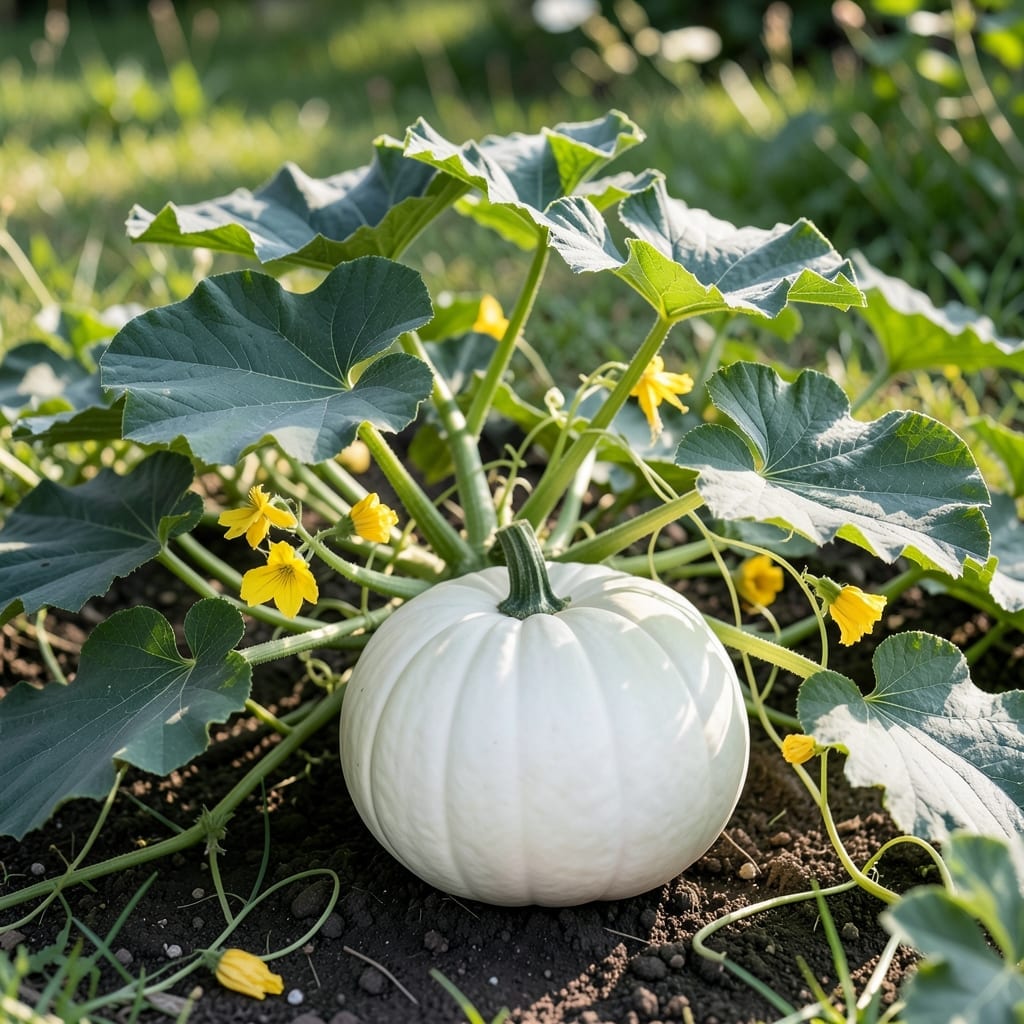
I still remember the first time I saw a Lumina pumpkin glowing in the October sun. Pure white, smooth as porcelain, and absolutely stunning against the autumn landscape. These aren’t your average orange jack-o-lanterns.
They thrive in full sun with rich, well-draining soil and need consistent moisture without waterlogged roots. The vines spread 10-15 feet, so give them room. You’ll get ghostly-white fruits that last for months after harvest.
📚 In This Guide
This method delivers those ghostly white fruits consistently, even in unpredictable climates.
Choose a location with full sun exposure—at least 6-8 hours of direct light daily is non-negotiable for these vines. I test soil drainage first by digging a 12-inch deep hole and filling it with water. If it drains within 1 hour, you’re good. If not, amend with compost to improve structure.
Work the soil to a depth of 18 inches, removing rocks and breaking up clumps. Lumina whites are heavy feeders, so I mix in 2-3 inches of aged compost or well-rotted manure. The pH should be between 6.0-7.5—test with a kit and adjust with lime if needed. A slightly acidic to neutral range prevents nutrient lockout.
Plant seeds when soil temperature reaches 70-85°F—use a soil thermometer to confirm. In my zone, that’s typically 2-3 weeks after the last frost. Create mounds 12 inches wide and 6 inches tall, spacing them 5-6 feet apart. The mounds warm faster and improve drainage.
Sow 4-5 seeds per mound, pressing them 1 inch deep. Cover with soil and water gently but thoroughly. I mark each mound with a stick so I don’t accidentally disturb the seeds during early weeding. Germination takes 7-14 days—watch for the first pair of true leaves.
Once seedlings have 2-3 true leaves, thin to the 2 strongest plants per mound. Use scissors to snip unwanted seedlings at soil level—pulling them can disturb the roots of the keepers. This spacing prevents competition and ensures vines have room to spread.
Install a trellis or cage early if you’re growing vertically. Lumina whites can produce fruits up to 10-15 pounds, so supports must be sturdy. I use 5-foot tall cattle panels bent into arches. Train vines onto the structure as they grow to save space and improve air circulation, which reduces disease risk.
Water deeply 1-2 times per week, providing 1-1.5 inches of water total. The key is consistency—fluctuating moisture causes cracked fruits. I use a drip irrigation system on a timer to maintain even soil moisture without wetting the foliage, which invites mildew.
Fertilize when vines start to run with a balanced 10-10-10 formula, then switch to a low-nitrogen, high-phosphorus feed once flowers appear. Apply every 2-3 weeks according to package instructions. Yellowing leaves often signal nitrogen deficiency, while poor fruiting suggests a lack of phosphorus.
Lumina whites are ready when the rind hardens and turns a uniform, chalky white—this typically occurs 90-110 days after sowing. The stem should be dry and woody. I test by pressing my fingernail into the rind; if it resists penetration, it’s mature.
Cut the stem with a clean knife, leaving 2-3 inches attached to the pumpkin. This prevents rot and extends storage life. Cure in the sun for 7-10 days to harden the skin further, then store in a cool, dry place at 50-55°F. Properly cured, they’ll keep for 2-3 months.
Small details make the difference between a mediocre harvest and stunning white pumpkins.
Soil Preparation Insight: That 18-inch soil depth in Step 1 isn’t arbitrary—Lumina whites develop extensive root systems that need room to stretch. I learned this the hard way when shallow soil produced stunted vines my first year. Take the extra time to break up compaction completely.
Mound Strategy: The 12-inch wide by 6-inch tall mounds in Step 2 do more than improve drainage. They warm the soil 5-10°F faster than flat ground, which can shave days off your germination time. Position them 5-6 feet apart—crowding causes competition that reduces fruit size.
Watering Discipline: Stick religiously to that 1-1.5 inches weekly total in Step 4. I use a rain gauge to track precipitation and only supplement with irrigation if we’re below target. Fluctuating moisture is the number one cause of cracked pumpkins in my experience.
Harvest Timing: That 90-110 day window in Step 5 is when most people get impatient. Don’t harvest early just because the rind looks white—wait until your fingernail can’t penetrate it. I’ve ruined two pumpkins by picking them a week too soon.
Lumina White Pumpkins typically take 85-100 days to mature from seed. Ensure they receive full sun and consistent watering for optimal growth. Harvest when the rind is hard and the stem begins to dry.
Yes, but choose a large container (at least 10-15 gallons) with good drainage. Use a high-quality potting mix and provide support for vines. Container-grown pumpkins may be smaller than those planted in-ground.
Squash bugs, aphids, and cucumber beetles are common pests. Use row covers early in the season, handpick pests, or apply organic insecticides like neem oil to manage infestations.
Yellowing can be caused by overwatering, nutrient deficiencies, or disease. Check soil moisture, ensure proper fertilization, and inspect for signs of powdery mildew or other diseases.