
Beautiful Plants For Your Interior
Beautiful Plants For Your Interior
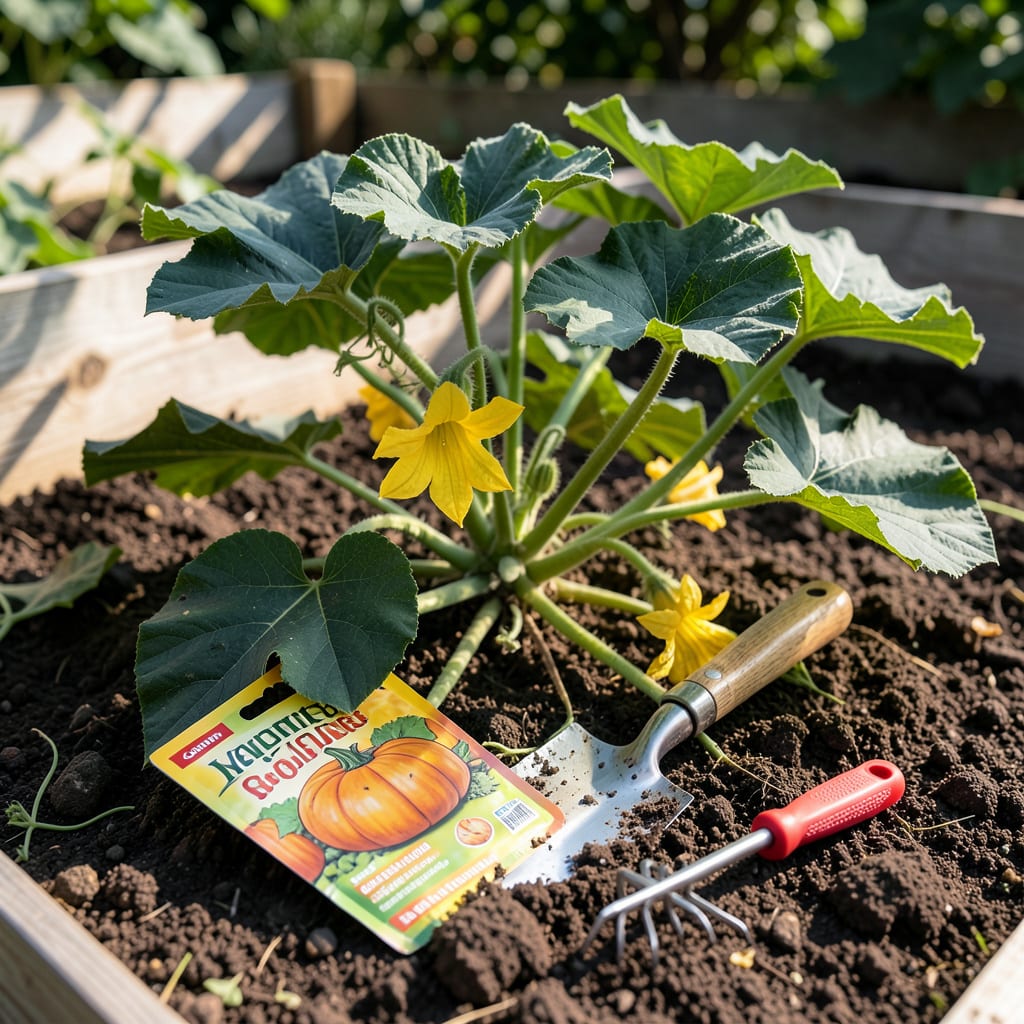
Timing your 🎃 pumpkin planting in Michigan can make or break your harvest. Plant too early, and a late frost could wipe out your seedlings. Wait too long, and your jack-o’-lanterns might not mature before Halloween.
After years of testing, I’ve found the perfect window for Michigan’s unpredictable springs. Whether you’re in the Upper Peninsula or near Detroit, I’ll show you how to nail the timing—so you get massive, healthy pumpkins by October. Let’s get started.
If you’ve ever dreamed of growing Halloween-worthy pumpkins in Michigan, timing is your secret weapon. Michigan’s USDA zones 4–6 mean frost dates vary wildly—from early May in Southern Michigan to late May in the Upper Peninsula. Plant too soon, and a surprise frost will zap your seedlings overnight.
I always check soil temperature before planting—pumpkin seeds need 70°F or warmer to germinate reliably. A cheap soil thermometer saves heartache. In Lower Michigan, aim for late May; up north, wait until early June to be safe. Here’s your exact regional breakdown:
| Region | USDA Zone | Last Frost Date | Planting Window | Soil Temp Goal |
|---|---|---|---|---|
| Southern Michigan | Zone 6 | May 1–10 | May 15–30 | 70°F+ |
| Central Michigan | Zone 5b | May 10–20 | May 25–June 5 | 70°F+ |
| Upper Peninsula | Zone 4–5a | May 20–30 | June 1–10 | 70°F+ |
Pro Tip: Use MSU Extension’s frost maps to pinpoint your exact dates. Black plastic mulch can warm soil 5–10°F faster for earlier planting.
In the Upper Peninsula, where growing seasons are 30–40 days shorter, I recommend fast-maturing varieties like ‘Small Sugar’ (100 days) or ‘Jack-Be-Little’ (90 days). Downstate, you can risk slower growers like ‘Howden’ (110 days) if planted by Memorial Day.
Don’t trust air temperature alone—soil warmth is critical. I’ve lost seeds to cold, wet soil even after the last frost. Use a soil thermometer (or stick your hand in the dirt at 8 AM—if it feels chilly, wait!). Pumpkin seeds rot in soil below 60°F.
For earlier harvests, start seeds indoors 2–3 weeks before transplanting. Use peat pots to avoid root shock, and harden off seedlings for 7–10 days before moving them outside. Just remember: Michigan springs are unpredictable—always have row covers ready for surprise cold snaps.
If you’re in Zone 6 (Detroit, Grand Rapids), you can push planting to late April for black plastic mulch-warmed beds. But in Zone 4 (Marquette, Sault Ste. Marie), waiting until June 1 is safer. When in doubt, MSU Extension’s planting guides are my go-to resource.
Watch for squash bugs and cucumber beetles, which thrive in Michigan’s humid summers. I plant radishes or nasturtiums nearby as trap crops and use neem oil sprays every 10–14 days once vines spread. Consistent morning watering (1–1.5 inches/week) keeps plants stress-free.
For giant pumpkins, Michigan’s long summer days are ideal, but you’ll need 120+ days of warmth. Varieties like ‘Atlantic Giant’ require early-June planting in Lower Michigan—later up north. Train vines westward to avoid shading leaves, and bury vine nodes for extra roots.
Harvest before the first frost (usually mid-October in most of Michigan). Test rinds with your fingernail—if it resists scratching, it’s ready. Leave 3–4 inches of stem attached for storage. Now grab your seeds and mark those dates—your future jack-o’-lanterns are counting on you! 🎃
Even with perfect timing, Michigan gardeners often make three fatal errors that sabotage their pumpkin patches. I’ve seen it year after year—wilted seedlings, stunted vines, or rotten fruit just weeks before harvest. The good news? These mistakes are totally avoidable once you know what to watch for.
First up: ignoring soil temperature. Michigan’s springs are notorious for cold, wet soil—even after the last frost. Pumpkin seeds rot in soil below 60°F, and seedlings struggle in anything under 70°F. Don’t guess; use a soil thermometer or your hand to test warmth at 8 AM. If it feels chilly, wait!
Fix: Warm soil with black plastic, use floating row covers, and water at the base only.
The second mistake is misjudging frost risk. Michigan’s weather is unpredictable—late May frosts aren’t rare, especially in the Upper Peninsula. I always keep frost blankets or row covers handy until June 1. Even in Zone 6, a surprise 32°F night can kill tender seedlings. Check MSU Extension alerts for real-time warnings.
Third, overcrowding seeds is a recipe for disaster. Pumpkin vines need 10–20 feet of space to sprawl. Planting too close leads to poor air circulation, which invites powdery mildew and squash bugs. I space hills 4–6 feet apart and thin to the strongest 2–3 seedlings per hill. Trust me, fewer plants mean bigger, healthier pumpkins.
Another silent killer? Inconsistent watering. Pumpkins need 1–1.5 inches weekly, but drip irrigation beats overhead sprinklers. Wet leaves in Michigan’s humid summers equal fungal diseases. I water deeply 2–3 times per week in the morning, directing water to the soil only. Mulch with straw to retain moisture and block weeds.
Finally, don’t forget pest patrol. Michigan’s squash bugs and cucumber beetles can decimate plants in days. I plant radishes or nasturtiums as trap crops and spray neem oil every 10–14 days. Handpick eggs from leaf undersides weekly. A little vigilance saves weeks of heartache later.
By avoiding these three common mistakes, you’ll set your pumpkins up for success—no matter what Michigan’s weather throws at you. Now grab those seeds and get planting! 🎃
Not all pumpkins grow at the same pace—and in Michigan’s 100–120-day season, picking the right variety can mean the difference between a bumper crop and a disappointing harvest. I’ve tested dozens of types, and the days-to-maturity label is your best friend here.
For the Upper Peninsula (Zones 4–5a), stick to fast-maturing varieties like ‘Small Sugar’ (100 days) or ‘Jack-Be-Little’ (90 days). These thrive in shorter seasons and still deliver Halloween-ready fruit. Downstate gardeners can experiment with mid-season types like ‘Howden’ (110 days) or ‘Connecticut Field’ (115 days).
| Variety | Days to Maturity | Best For | Size | Ideal Region |
|---|---|---|---|---|
| Jack-Be-Little | 90 days | Decorative | 3–5 lbs | All zones |
| Small Sugar | 100 days | Pies | 6–8 lbs | Upper Peninsula |
| Howden | 110 days | Jack-o’-lanterns | 15–25 lbs | Zones 5–6 |
| Atlantic Giant | 130 days | Contests | 100+ lbs | Zone 6 only |
Pro Tip: Start Atlantic Giant seeds indoors 3–4 weeks early for Zone 6. Use 1-gallon pots to avoid transplant shock.
If you’re dreaming of giant pumpkins, ‘Atlantic Giant’ needs 130 days—so it’s only viable in Southern Michigan (Zone 6). I’ve grown 200-pounders near Detroit by starting seeds indoors in late April and transplanting after Memorial Day. Use compost-rich soil and weekly fish emulsion feeds.
For container gardening, ‘Jack-Be-Little’ or ‘Munchkin’ (95 days) work in 5-gallon buckets, but expect smaller yields. Michigan’s humid summers make powdery mildew a risk, so space plants 6 feet apart and water at the base only. Mulch with straw to keep fruit clean.
No matter the variety, soil prep is key. Work in 2–3 inches of compost and aim for a pH of 6.0–6.8. Pumpkins are heavy feeders—side-dress with 10-10-10 fertilizer when vines reach 3 feet long. With the right variety and care, you’ll be carving homegrown jack-o’-lanterns by October! 🎃
Begin indoors 2–3 weeks before your last frost date. For most of Michigan, that means late April. Use peat pots to avoid transplant shock, and keep seedlings under grow lights for 14–16 hours/day.
Use floating row covers or frost blankets until nighttime temps stay above 50°F. In the Upper Peninsula, wait until June 1 to remove covers completely. Always check the 10-day forecast before planting.
Yes, but choose compact varieties like ‘Jack-Be-Little’ and use 5-gallon buckets with drainage. Expect smaller yields—vines need 10+ feet to thrive in-ground. Container plants dry out faster, so water daily in summer.
Lay black plastic mulch over planting areas 2–3 weeks before sowing. This can raise soil temp by 5–10°F. Avoid clear plastic—it promotes weeds. A soil thermometer is the best tool to confirm readiness.
In Zone 6 (Southern Michigan), plant by June 15 for ‘Howden’ or similar 110-day varieties. Up north, stick to ‘Small Sugar’ (100 days) and plant by June 1. Later plantings may not mature fully.
