
Beautiful Plants For Your Interior
Beautiful Plants For Your Interior
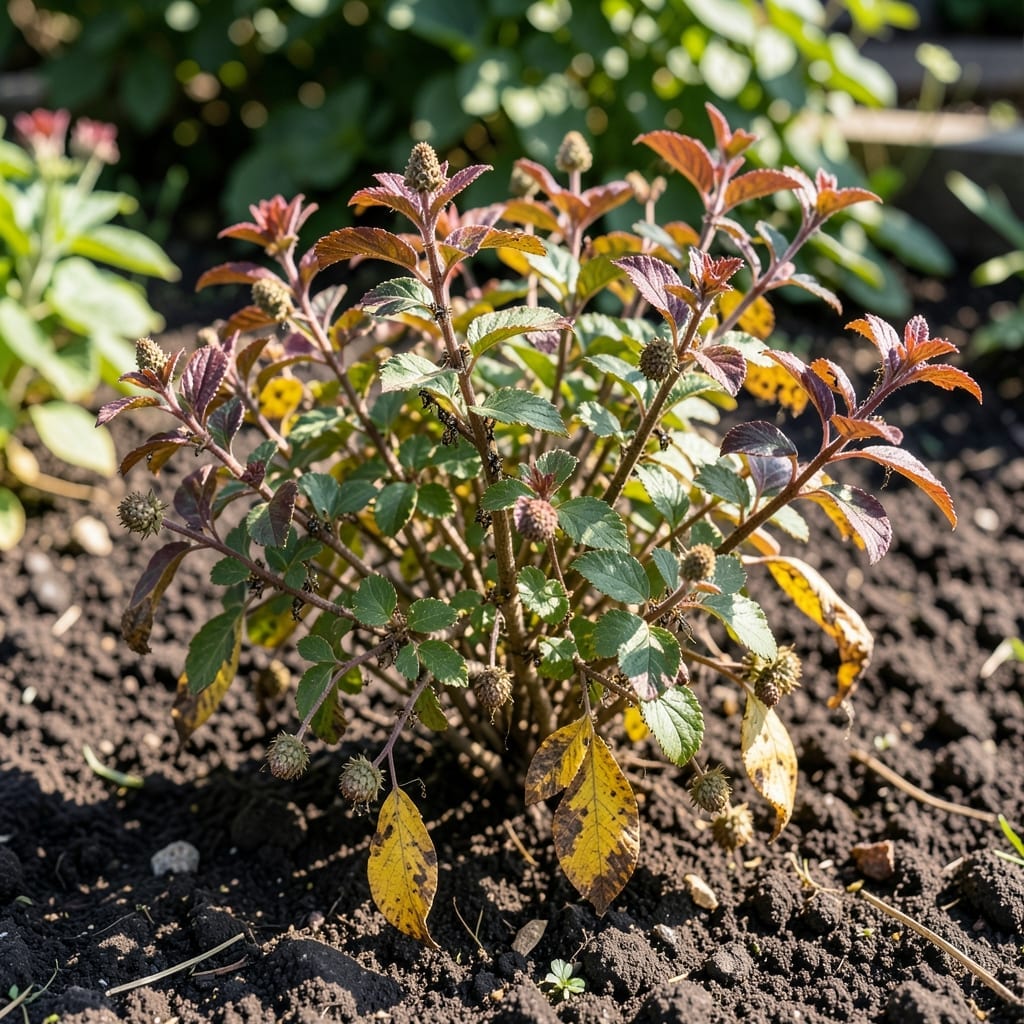
Low-growing sumac should be the easiest plant in your landscape. I’ve watched mine thrive with almost no care—until suddenly they don’t.
The first sign is usually leaf discoloration or stunted growth. Most problems trace back to 3 common issues: poor drainage, pest pressure, or environmental stress. Catching these early makes revival straightforward.
Organic solutions work best with sumac. A simple soil test, targeted pruning, or beneficial insect introduction often restores health within 2-3 weeks. The plants bounce back fast when conditions improve.
This isn’t about intensive care. It’s about spotting small warnings before they become big problems. Here’s what to look for first.
Low-growing sumac can struggle for several reasons, often tied to environmental or care-related factors. Here’s why these problems arise:
Sumac thrives in well-drained, slightly acidic to neutral soil (pH 6.0–7.0). Compacted or waterlogged soil restricts root growth, leading to stunted development. Nutrient deficiencies, particularly nitrogen or phosphorus, can also weaken the plant, making it more susceptible to stress.
Overwatering or drought stress disrupts sumac’s shallow root system. Too much moisture causes root rot, while too little halts growth. These plants prefer moderate, consistent moisture—especially during the first year of establishment.
Sumac is sun-loving; less than 6 hours of direct sunlight per day can result in leggy, weak growth. Shade competition from larger plants or structures often leads to poor vigor and reduced foliage density.
Stressed sumac attracts pests like aphids or scale insects, which sap nutrients. Fungal diseases (e.g., leaf spot or powdery mildew) thrive in humid, poorly ventilated conditions, further weakening the plant.
Late frosts or extreme heat can damage new growth. While sumac is hardy, sudden temperature swings or unseasonal cold snaps may cause dieback or slow recovery.
If your low-growing sumac is struggling, don’t worry—most issues are fixable with a few targeted adjustments. Below are practical solutions for the most common problems, paired with prevention tips to keep your plant thriving long-term.
Sumac hates soggy roots. If your plant is in heavy or compacted soil, amend the area with compost or coarse sand to boost drainage. For container-grown sumac, ensure pots have drainage holes and use a well-draining potting mix. Prevention tip: 💡 Plant sumac in slightly elevated beds or slopes where water naturally runs off.
Yellowing leaves or stunted growth often signal a lack of nutrients. Apply a balanced, organic fertilizer (10-10-10) in early spring, or top-dress with compost. Avoid over-fertilizing—sumac prefers lean soil. Prevention tip: ✨ Test soil every 2–3 years to monitor nutrient levels and adjust as needed.
Sumac is drought-tolerant once established, but extremes can stress it. Water deeply once a week during the first growing season, then taper off. If leaves wilt or turn brown, check soil moisture—water only if the top 2 inches are dry. Prevention tip: 🌡️ Mulch with 2–3 inches of organic material to retain moisture and regulate temperature.
Scale insects or aphids may target sumac. Spray plants with neem oil or insecticidal soap at the first sign of pests. For severe cases, prune affected branches and dispose of them far from the garden. Prevention tip: 🎯 Encourage beneficial insects like ladybugs by planting companion flowers nearby.
Fungal diseases (e.g., powdery mildew) thrive in humid conditions. Prune infected branches and space plants for better airflow. Clean pruners with rubbing alcohol between cuts to avoid spreading pathogens. Prevention tip: 🌿 Water at the base of the plant (not overhead) to keep foliage dry.
Yellow leaves often signal nutrient deficiency or poor drainage. Test soil pH and amend with compost if needed. Ensure the area isn’t waterlogged after rain.
Spray with neem oil or insecticidal soap at first sight. Prune heavily infested branches and dispose of them far from the garden.
If caught early, yes. Improve drainage immediately and reduce watering. Trim blackened roots and repot in fresh, well-draining soil.
Prune in late winter or early spring before new growth starts. Always sanitize tools with rubbing alcohol between cuts.