
Beautiful Plants For Your Interior
Beautiful Plants For Your Interior
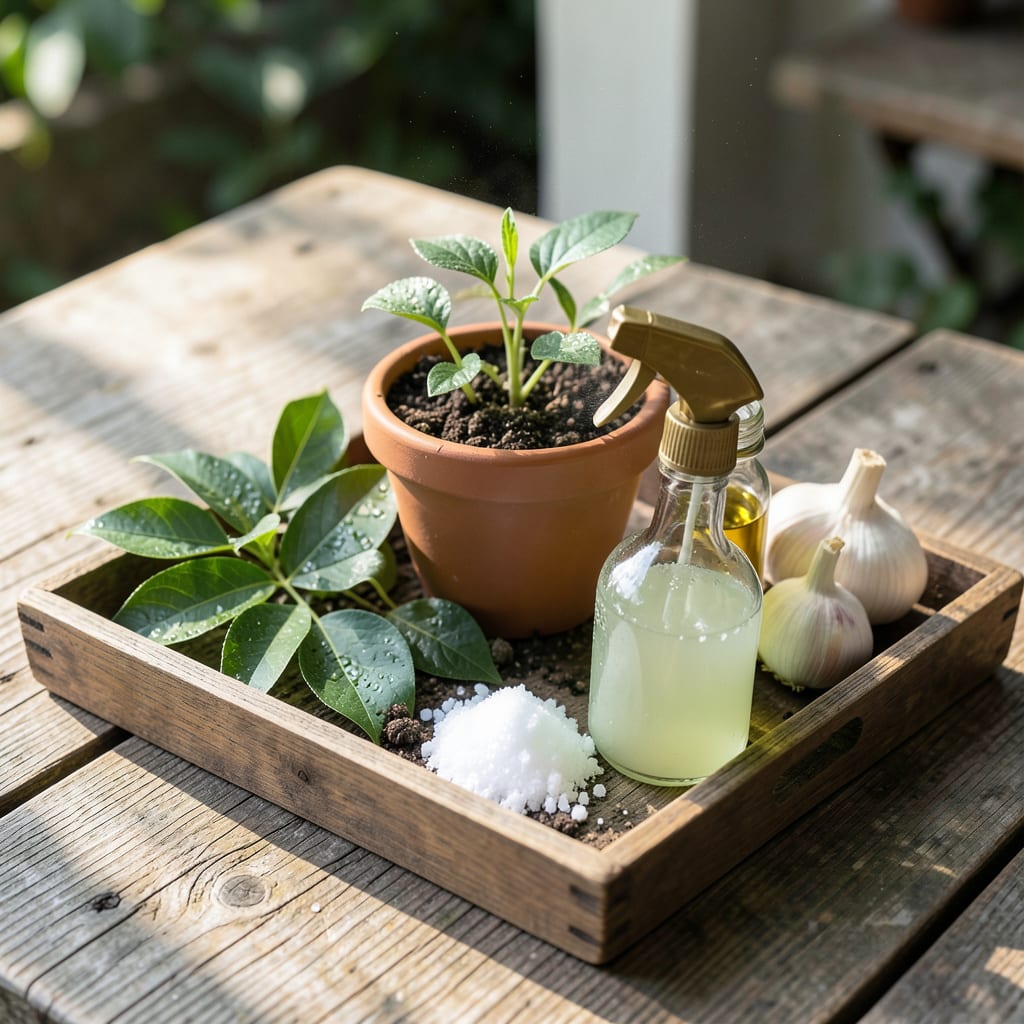
White dust on your soil means trouble. Powdery mildew spreads fast, but I’ve stopped outbreaks before they ruined my plants.
This fungus thrives in damp, poorly ventilated conditions. I learned the hard way that overwatering and crowded plants create the perfect breeding ground. 48 hours of wet soil can trigger an infestation.
Organic fixes like neem oil and baking soda sprays work if caught early. For stubborn cases, I remove the top inch of soil and treat what’s left. Prevention is simpler than cure.
Better air flow, proper spacing, and drier soil keep it from coming back. Here’s how to reclaim your garden.
Powdery mildew in soil doesn’t just appear out of nowhere—it thrives under specific conditions. Understanding the root causes helps you tackle the problem more effectively. Here’s why it happens:
Powdery mildew spores love moisture, but not in the way you might think. Unlike other fungi, this pathogen thrives in high humidity (70-90%) combined with dry foliage. Stagnant air—common in overcrowded gardens or poorly ventilated greenhouses—creates the perfect breeding ground. Without proper circulation, spores settle, germinate, and spread rapidly across soil and plants.
While powdery mildew typically targets leaves, soggy soil contributes to its persistence. Overwatering or poor drainage keeps the root zone damp, encouraging fungal growth in the soil. This moisture then evaporates, increasing ambient humidity around the plant—doubling the risk of infection. Well-draining soil and consistent watering schedules disrupt this cycle.
Some plants are genetically more prone to powdery mildew, like squash, roses, and cucumbers. If you’ve planted these in your garden, the soil beneath them may harbor spores waiting for ideal conditions. Choosing resistant varieties (e.g., mildew-resistant zucchini or cucumbers) reduces the likelihood of soil contamination.
Soil with excess nitrogen or low phosphorus/potassium levels can weaken plants, making them more susceptible to fungal attacks. Over-fertilizing with nitrogen-rich products (like fresh manure) promotes lush, soft growth—prime targets for powdery mildew. Balanced, organic fertilizers help maintain plant vigor and natural resistance.
Fallen leaves, dead plant matter, or untended garden debris can harbor powdery mildew spores over winter. When temperatures rise, these spores reactivate, infecting new growth and the surrounding soil. Regular cleanup and crop rotation break this cycle, starving the fungus of its food source.
Powdery mildew in soil can feel stubborn, but targeting its root causes with the right fixes makes all the difference. Below are practical, organic solutions mapped to common triggers, plus prevention tips to keep your soil healthy long-term.
Fungal spores thrive in still, humid air. Fix it by spacing plants farther apart to allow airflow. For potted plants, move them to breezy spots or use a small fan on low for a few hours daily. Prune dense foliage to open up the canopy, and avoid overcrowding in garden beds.
Prevention tip: 💡 Thin seedlings early and stake tall plants to maintain airflow as they grow.
Wet soil invites fungal growth. Fix it by letting the top inch of soil dry out between waterings. Water at the base of plants early in the day so excess moisture evaporates. If your soil drains poorly, mix in compost or sand to improve its structure.
Prevention tip: ✨ Use a moisture meter or the finger test to check soil dampness before watering.
Shade and cool temps encourage mildew. Fix it by relocating pots to sunnier areas or trimming nearby plants casting shadows. For garden beds, choose mildew-resistant varieties if sunlight is limited.
Prevention tip: 🎯 Rotate indoor plants weekly so all sides get equal light exposure.
Old leaves and plant debris harbor spores. Fix it by removing fallen leaves, dead stems, and weeds from the soil surface. Disinfect tools with rubbing alcohol after pruning infected plants to avoid spreading spores.
Prevention tip: 🌡️ Mulch with straw or wood chips to reduce soil-to-plant spore transfer, but keep mulch thin to avoid trapping moisture.
Weak or overly fertilized plants are more susceptible. Fix it by testing your soil and amending it with compost or organic matter to balance nutrients. Avoid high-nitrogen fertilizers, which promote soft growth that’s prone to mildew.
Prevention tip: 💡 Apply a foliar spray of compost tea or neem oil every 2–3 weeks to strengthen plant defenses.
Yes, a baking soda spray (1 tsp per quart of water) can help suppress it. Apply to soil and affected plants weekly until the issue clears. The alkalinity disrupts the fungus’s growth.
Yes, after treating it. Remove visible mold and bake soil at 200°F for 30 minutes to kill spores. Alternatively, mix in compost to boost beneficial microbes.
With consistent treatment, you’ll see improvement in 1-2 weeks. Organic methods like neem oil may take longer than chemical fungicides. Prevention keeps it from returning.
White vinegar (5% acetic acid) can help when diluted 1:10 with water. Use sparingly, as too much acidity may harm soil pH. Always test on a small area first.
