
Beautiful Plants For Your Interior
Beautiful Plants For Your Interior
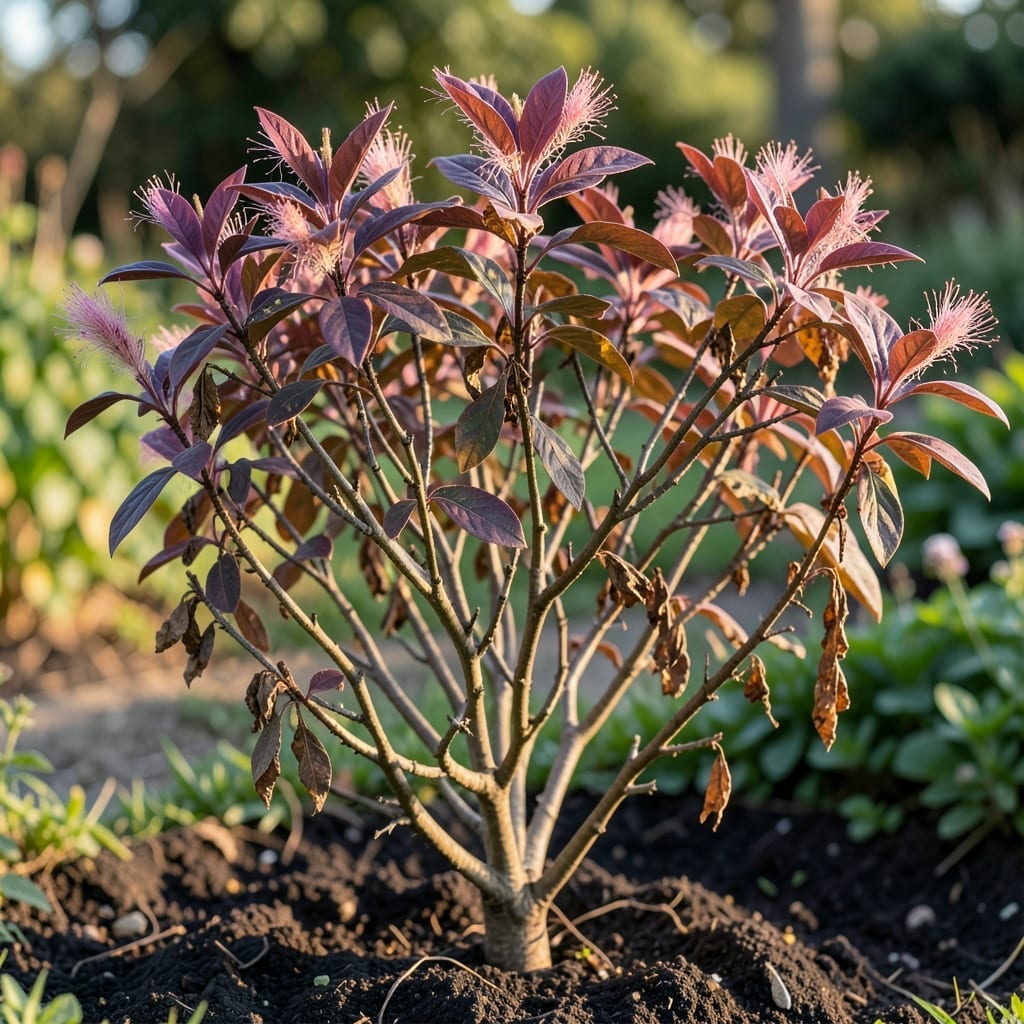
That loropetalum isn’t gone yet. I’ve brought back more “dead” shrubs than I can count by learning the 3 key signs of hidden life.
Scratch the bark—green underneath means it’s still alive. Check for tiny buds or pliable stems. Even in winter dormancy, these plants often fool us into thinking they’ve given up.
With consistent water, the right light, and a little patience, you’ll often see new growth in 2-3 weeks. Most “dead” loropetalums just need a second chance.
Prevention is simpler than revival: mulch well, avoid soggy soil, and protect from harsh freezes. Here’s how to confirm life and coax it back.
When your Loropetalum appears lifeless, several underlying issues may be to blame. Understanding these causes helps you take corrective action before it’s too late.
Loropetalum roots drown in soggy soil, leading to root rot—a fungal disease that chokes off water and nutrient uptake. Signs include yellowing leaves, wilting, and a foul odor from the soil. Action: Check soil moisture with your finger; water only when the top 1-2 inches are dry. Ensure pots have drainage holes, and amend heavy clay soil with compost or perlite.
Too much direct afternoon sun can scorch leaves, causing brown, crispy edges, while too little light leads to sparse, leggy growth and leaf drop. Loropetalum thrives in partial shade to full sun (4-6 hours of morning light). Action: Relocate the plant to a brighter or shadier spot based on symptoms, or use shade cloth for intense sun exposure.
Loropetalum is hardy in USDA zones 7-9 but can suffer cold shock below 10°F (-12°C) or heat stress above 90°F (32°C). Frost damage appears as blackened leaves and stems, while heat stress causes wilting and leaf curl. Action: Mulch heavily in winter, and provide afternoon shade in scorching summers. Container plants should be moved indoors during extreme weather.
A lack of iron or nitrogen can mimic death-like symptoms. Iron deficiency (common in alkaline soils) causes interveinal chlorosis (yellow leaves with green veins), while nitrogen deficiency leads to overall pale, stunted growth. Action: Test soil pH (aim for 5.0–6.5) and apply a balanced, acid-loving plant fertilizer or chelated iron supplement as needed.
Spider mites, scale, or Phytophthora root rot can weaken the plant to the point of apparent death. Look for webbing, sticky residue, or dark, water-soaked spots on stems. Action: Treat infestations with horticultural oil or insecticidal soap. For fungal issues, improve airflow, avoid overhead watering, and apply a copper-based fungicide if necessary.
If your loropetalum looks dead, don’t panic—it may still be salvageable! Below are targeted fixes for common causes, along with prevention tips to keep your plant thriving.
If the soil is soggy or smells foul, root rot may be the culprit. Stop watering immediately and let the soil dry out. Gently remove the plant from its pot or dig around the base to inspect the roots. Trim any black, mushy roots with clean shears, then repot in fresh, well-draining soil. Use a pot with drainage holes or amend garden soil with perlite or sand.
Prevention tip: 💡 Water only when the top 1-2 inches of soil are dry, and ensure containers have drainage.
Loropetalum loves bright, indirect light but can scorch in harsh afternoon sun. If leaves are crispy and brown, move the plant to a spot with dappled shade or morning sun. Conversely, leggy growth or pale leaves signal too little light—relocate to a sunnier area gradually to avoid shock.
Prevention tip: 🌡️ Acclimate plants slowly to new light conditions over 1-2 weeks.
Yellowing leaves or stunted growth often mean a lack of nutrients. Apply a balanced, slow-release fertilizer (10-10-10) in early spring and again in mid-summer. Avoid over-fertilizing, which can burn roots. For container plants, flush the soil with water every few months to remove salt buildup.
Prevention tip: ✨ Test soil pH (loropetalum prefers 5.5–6.5) and amend if needed.
Inspect the plant for pests like spider mites or aphids, which can weaken it. Spray leaves with a strong jet of water to dislodge pests, then apply neem oil or insecticidal soap. Repeat every 5–7 days until pests are gone.
Prevention tip: 🎯 Keep the area clean and encourage beneficial insects like ladybugs.
If frost or cold winds turned leaves black, wait until spring to assess damage. Prune dead branches back to healthy growth. Mulch around the base to insulate roots, and cover the plant with burlap or frost cloth during future cold snaps.
Prevention tip: 🌨️ Plant loropetalum in a sheltered spot or use containers to move indoors in winter.
Scratch a small section of bark. If it’s green underneath, the plant is still alive. Also check for pliable stems and tiny buds. Even in winter dormancy, these signs indicate life.
Overwatering is the top culprit. These plants hate soggy soil, which leads to root rot. Always let the top 1-2 inches of soil dry between waterings.
With proper care, you should see new growth in 2-3 weeks. Be patient—some plants take longer to bounce back, especially after severe stress.
Yes, if the stems are still green inside. Trim the dead foliage, address the root cause (water, light, or pests), and give it consistent care. Many recover fully.