
Beautiful Plants For Your Interior
Beautiful Plants For Your Interior
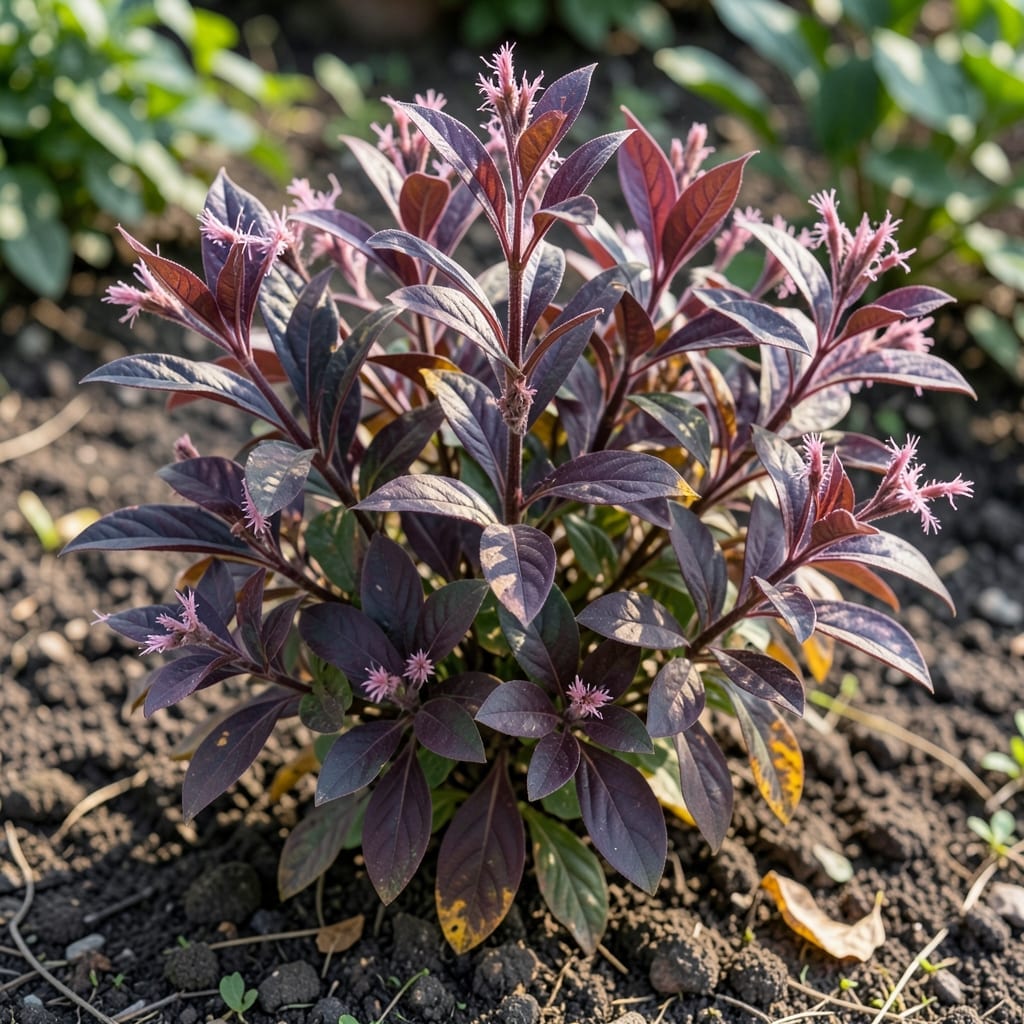
Your loropetalum should be the star of your landscape, not an eyesore. I’ve rescued mine from wilting leaves and stunted growth more times than I’d like to admit.
The usual suspects are simple: too much or too little water, poor soil, or the wrong light. Once I identified the real issue, my shrubs bounced back with shockingly lush new growth.
You’ll spot the problem in 24-48 hours with the right diagnostic approach. Most fixes take less than a week to show results.
Works for potted or in-ground plants, in any climate. Here’s how to bring yours back to life.
Your loropetalum’s lackluster appearance usually stems from a few common stressors. Below are the most frequent culprits, explained with actionable insights.
Loropetalum thrives in USDA zones 7-10 and struggles outside this range. Extreme cold (below 10°F/-12°C) can damage foliage, causing brown, crispy leaves. Conversely, intense heat or drought leads to wilting or yellowing due to moisture loss. Solution: Provide afternoon shade in hot climates and mulch heavily before winter.
Both overwatering and underwatering harm this shrub. Soggy soil suffocates roots, leading to yellow leaves and root rot, while drought stress causes leaf drop or curling. Fix: Water deeply when the top 1-2 inches of soil are dry, ensuring good drainage.
A lack of iron or nitrogen often manifests as pale or yellow leaves (chlorosis). Loropetalum prefers acidic soil (pH 5.5-6.5); alkaline conditions lock out essential nutrients. Remedy: Test soil pH and amend with sulfur or iron chelates if needed. Fertilize with a balanced, acid-loving plant formula in spring.
Spider mites (tiny, web-spinning pests) thrive in dry conditions, causing stippled or discolored foliage. Fungal diseases like leaf spot (from excess moisture) create dark spots or blight. Action: Spray mites with neem oil and improve airflow to prevent fungal issues. Remove affected leaves promptly.
Don’t give up on your struggling loropetalum just yet! With a few targeted fixes, you can bring it back to its vibrant, colorful glory. Below are the most common issues and their solutions, along with tips to keep your shrub thriving long-term.
If your loropetalum has yellow leaves, it’s often a sign of overwatering or poor drainage. Let the soil dry slightly between waterings, and ensure the plant is in well-draining soil. Amend heavy clay soil with compost or sand to improve drainage. Prevention tip: 💡 Use a moisture meter to avoid guesswork—water only when the top 1-2 inches of soil are dry.
Dropping leaves or wilting can mean underwatering or environmental stress, like extreme heat or cold drafts. Water deeply once or twice a week during dry spells, and mulch around the base to retain moisture. If it’s potted, move it to a spot with consistent temperatures. Prevention tip: 🌡️ Protect from late frosts or scorching afternoon sun with shade cloth if needed.
Spotted or chewed leaves? Spider mites, aphids, or scale insects might be the culprits. Spray the plant with a strong stream of water to dislodge pests, then apply neem oil or insecticidal soap. For severe infestations, use a horticultural oil. Prevention tip: ✨ Regularly inspect the undersides of leaves and prune affected areas to stop pests from spreading.
If your loropetalum’s foliage lacks its signature purple or burgundy hue, it may need more sunlight or nutrients. Move it to a spot with at least 4-6 hours of direct sunlight daily. Feed it with a balanced, slow-release fertilizer in early spring and again in midsummer. Prevention tip: 🎯 Avoid high-nitrogen fertilizers, which can promote green growth at the expense of color.
With these fixes, your loropetalum will be back to its stunning self in no time!
Brown leaves often signal underwatering or cold damage. Check soil moisture and protect from temps below 10°F/-12°C. Trim damaged foliage to encourage new growth.
Water deeply when the top 1-2 inches of soil are dry. In hot weather, this may mean 2-3 times weekly. Always ensure good drainage to prevent root rot.
Yes! Prune dead branches and check for green stems. With proper watering and sunlight, new leaves often appear within 4-6 weeks. Be patient and consistent.
Use a balanced, acid-loving plant fertilizer with iron. Apply in early spring and midsummer. Avoid high-nitrogen formulas, which can reduce the vibrant leaf color.