
Beautiful Plants For Your Interior
Beautiful Plants For Your Interior
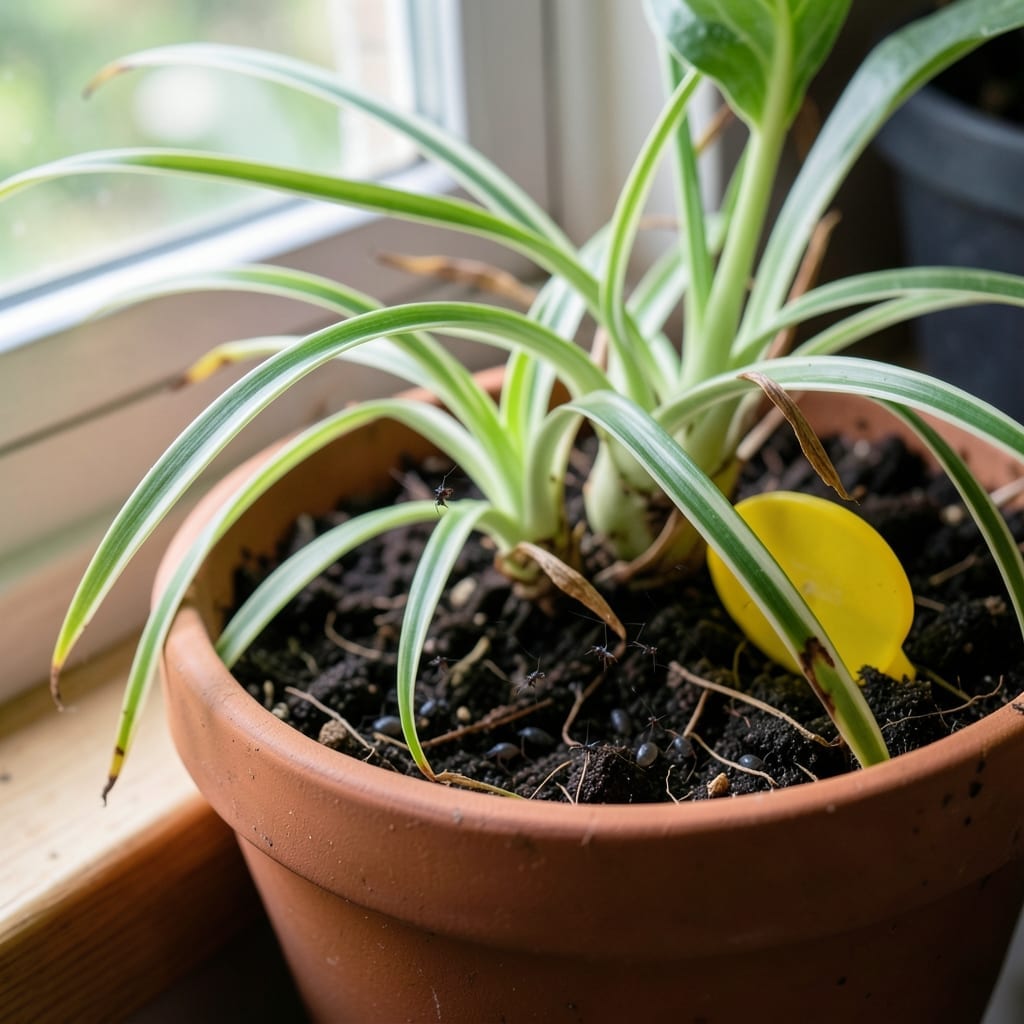
Tiny black flies swarming your houseplants are more than annoying—they’re a sign your soil needs help. I’ve battled these pests through three winters, and the solution starts with understanding why they appear in the first place.
The culprits are usually fungus gnats, attracted to moist soil and decaying organic matter. They don’t just buzz around; their larvae feed on roots, stunting plant growth. My peace lilies taught me this the hard way.
Here’s the thing—prevention beats treatment every time. Letting soil dry between waterings and using coarse potting mixes stops them before they start. I now check moisture with my finger, not a schedule.
For existing infestations, yellow sticky traps work fast, but the real fix is addressing the soil conditions that invited them. My plants recovered within 2 weeks of making these changes.
Those pesky little flies buzzing around your indoor plants aren’t just annoying—they’re a sign of an underlying issue. Here’s why they show up, broken down by the most common causes:
Fungus gnats (the usual culprits) thrive in consistently moist soil. Overwatering creates the perfect breeding ground for their larvae, which feed on decomposing organic matter and fungal threads in soggy potting mix. If your plant’s soil stays wet for days or the pot lacks drainage holes, you’re rolling out the welcome mat for these pests.
Dead leaves, uneaten compost, or even old coffee grounds left on the soil surface break down over time, attracting adult fungus gnats. These flies lay eggs in the decomposing material, and the larvae hatch to feed on it. The more organic debris in your pot, the higher the risk of an infestation.
Sometimes, the problem starts before you even bring the plant home. Pre-mixed potting soils or new plants from nurseries may already contain fungus gnat eggs or larvae. If you’ve recently repotted or introduced a new plant, it could be the source of your fly problem.
While organic fertilizers like worm castings or fish emulsion are great for plant health, they can also encourage fungus gnat populations. These fertilizers break down slowly, providing a steady food source for larvae. If you’re heavy-handed with organic amendments, you might be feeding more than just your plants.
Dealing with tiny flies in your houseplants? Here’s how to tackle each cause with simple, effective fixes—and keep them from coming back.
Fungus gnats thrive in soggy soil. Stop watering immediately and let the top 1-2 inches of soil dry out completely. Check moisture with your finger—if it feels damp, wait. For severe cases, repot the plant in fresh, dry soil. Prevention tip: 💡 Water only when the topsoil is dry, and use pots with drainage holes.
Rotting leaves or old mulch attract flies. Clear away dead foliage, uneaten compost, or decaying plant matter from the soil surface and saucers. Replace the top layer of soil if it’s infested. Prevention tip: ✨ Keep your plant’s area tidy and avoid over-fertilizing, which can leave residue.
Fruit flies and fungus gnats sneak in from outside. Use fine mesh screens on windows and doors, and keep them closed when possible. If flies are already inside, set up a vinegar trap (apple cider vinegar + dish soap in a jar) near plants. Prevention tip: 🎯 Inspect new plants for pests before bringing them indoors.
Compacted or waterlogged soil is a fly magnet. Loosen the soil gently with a fork and add perlite or sand to improve drainage. Elevate pots on saucers with pebbles to avoid standing water. Prevention tip: 🌡️ Use a well-draining potting mix and avoid saucers that collect excess water.
Consistency is key—combine these fixes with regular plant care to keep your greens fly-free!
Fungus gnats are tiny, dark-colored flies that hover near soil. They’re weak fliers and often rest on the surface. If you see them near moist potting mix, it’s likely fungus gnats.
Yes, repotting in fresh, dry soil removes larvae and eggs. Discard the old soil and clean the pot thoroughly. This breaks the life cycle effectively.
Adult flies don’t damage plants, but their larvae feed on roots and organic matter in soil. This can stunt growth in severe infestations. Act quickly to prevent harm.
A vinegar trap (apple cider vinegar + dish soap) works well. Also try yellow sticky traps near affected plants. These are safe and effective.