
Beautiful Plants For Your Interior
Beautiful Plants For Your Interior
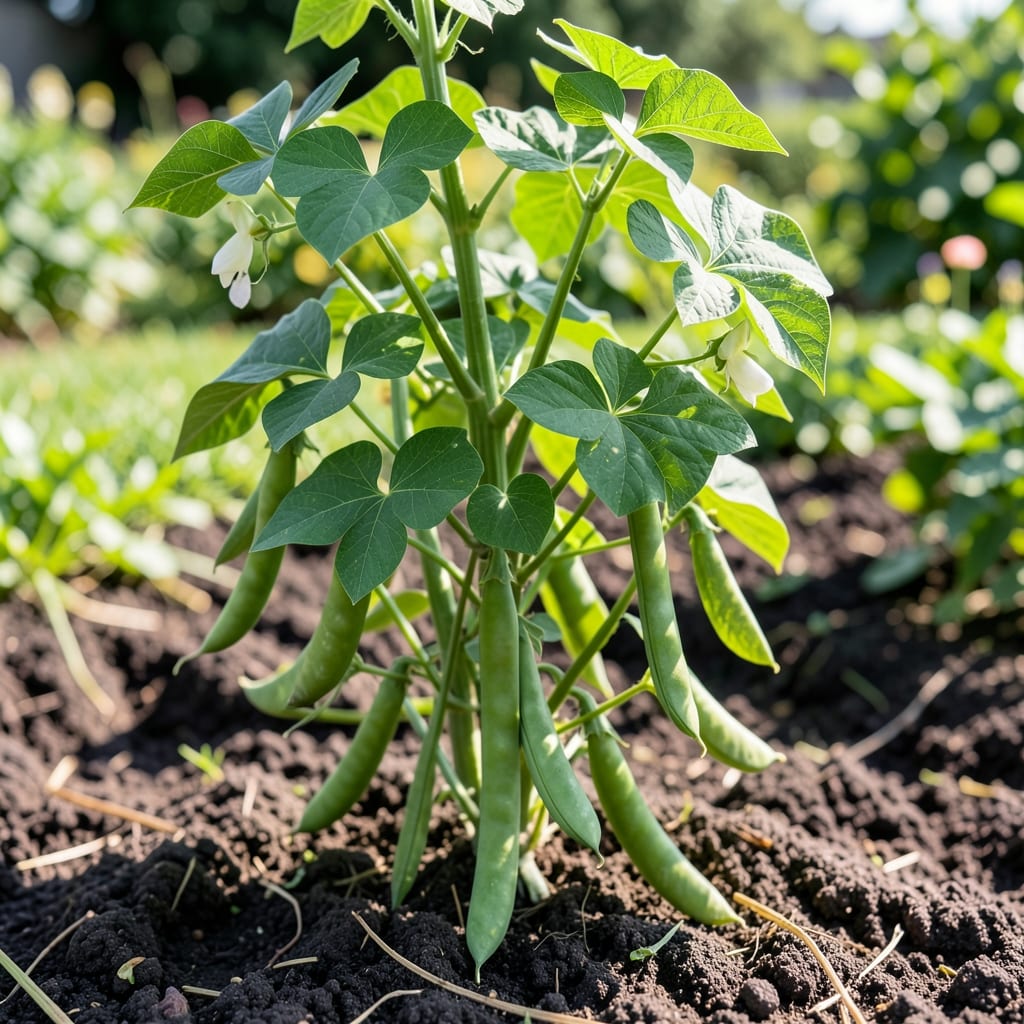
Lima bean leaves tell a story if you know how to read them. Yellowing edges, chewed holes, or white spots each point to different problems lurking in your garden.
I’ve saved countless crops by catching issues early—whether it’s aphids, spider mites, or fungal spots. The good news? Most fixes are simple, organic, and highly effective with the right approach.
📚 In This Guide
Here’s the approach I take to spot trouble early and keep plants thriving without harsh chemicals.
Start by checking both sides of leaves weekly for discoloration, holes, or webbing. I look for yellow stippling on top surfaces, which often indicates spider mites. The undersides frequently reveal tiny green or brown aphids clustered near veins.
Don’t overlook curled or distorted new growth—that’s often the first sign of aphid damage. I use a hand lens to spot 1-2mm pests that are invisible to the naked eye. Early detection means simpler solutions.
For light infestations, I knock pests off with a strong stream of water from the hose. This works especially well for aphids and whiteflies. Do this in the morning so leaves dry quickly in the sun, which prevents fungal issues.
For stubborn pests, I use a cotton swab dipped in 70% isopropyl alcohol to remove them by hand. Focus on the undersides of leaves where they congregate. This method works best when you catch the problem within the first 3-5 days of noticing damage.
When pests spread, I mix 1 teaspoon of mild liquid soap with 1 quart of water and spray all leaf surfaces thoroughly. The soap breaks down the pests’ protective coatings without harming the plant. Apply in the evening to avoid leaf burn from the sun.
For severe cases, I use neem oil spray—1 tablespoon of neem oil and 1 teaspoon of mild soap per gallon of water. Shake well before each use. Reapply every 7-10 days or after rain, as this disrupts the pest life cycle effectively.
I interplant lima beans with marigolds or nasturtiums to repel pests naturally. These companion plants confuse pests with their strong scents. Also, remove all plant debris at the end of the season to eliminate overwintering sites.
Encourage beneficial insects like ladybugs and lacewings by planting pollinator-friendly flowers nearby. I’ve found that a diverse garden ecosystem reduces pest problems significantly. Avoid over-fertilizing with nitrogen, which produces the tender new growth that pests prefer.
Small details make a big difference when protecting your plants without chemicals.
Detection Insight: In Step 1, use a hand lens to catch pests when they’re still 1-2mm in size. Spider mites often show up as yellow stippling on leaf tops, while aphids cluster on the undersides near veins. The earlier you spot trouble, the simpler the solution will be.
Timing Matters: For Step 2, that 3-5 day window after noticing damage is critical for mechanical removal. If you wait longer, pests multiply too quickly for hand removal to be effective. Morning water removal works best because leaves dry fast in sunlight.
Application Tip: When using the soap spray from Step 3, shake the mixture well before each use—oil and water separate quickly. Evening applications prevent leaf burn from the sun, and thorough coverage of both leaf surfaces ensures you reach hidden pests.
Consistency Check: With the neem oil spray, reapply every 7-10 days without fail. Rain washes it away, and pests can complete their life cycle in about a week. This regular schedule breaks their breeding pattern effectively.
Yellowing leaves often signal overwatering, nutrient deficiencies (like nitrogen), or pest damage. Check soil moisture and inspect for aphids or spider mites. Adjust watering and fertilize if needed.
Use neem oil, insecticidal soap, or introduce beneficial insects like ladybugs. Keep your garden clean, remove debris, and rotate crops to disrupt pest life cycles.
Act at the first sign of damage—holes, spots, or webbing. Early morning or late evening is ideal for spraying treatments to avoid harming pollinators and reduce evaporation.
Yes! Young lima bean leaves are edible and rich in nutrients. Harvest them sparingly to avoid stressing the plant. Cook them like spinach for a mild, earthy flavor.
Brown spots may indicate fungal diseases like anthracnose or bacterial blight. Improve air circulation, avoid wetting foliage, and apply copper-based fungicides if necessary.