
Beautiful Plants For Your Interior
Beautiful Plants For Your Interior
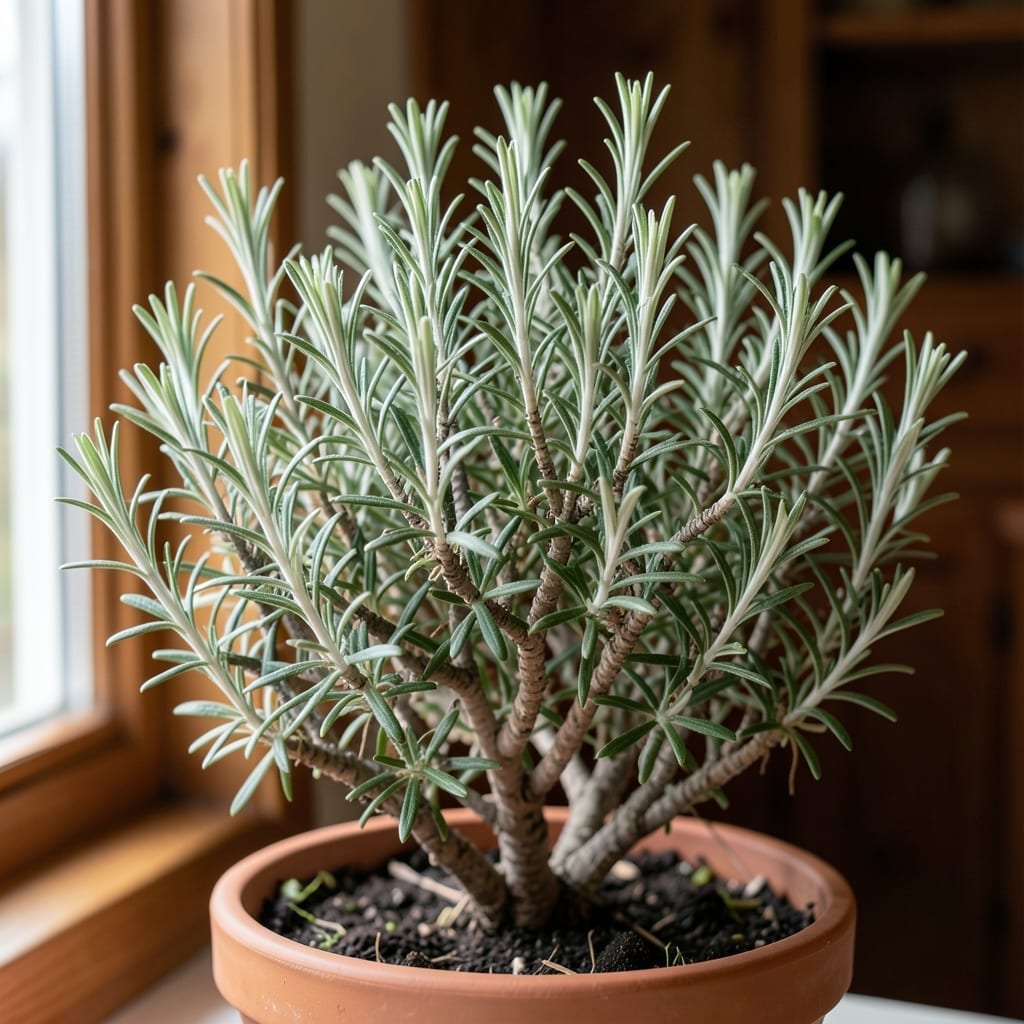
Spotting dry salvia leaves early saves the whole plant. I learned this the hard way after losing half my patch to crispy, brown foliage one dry summer.
This doesn’t mean your salvia is doomed—it’s often just thirsty or sun-stressed. With a few adjustments to watering and light exposure, you’ll see new vibrant green growth pushing through in a week or two.
The fix is simpler than you think. Most cases respond to consistent moisture and afternoon shade. No fancy treatments or expensive products needed.
Catch it early, and your salvia will bounce back stronger. The key is acting before the dryness spreads to the stems.
Several environmental and biological factors can lead to dry salvia leaves. Understanding the root causes helps you address the issue effectively.
Both underwatering and overwatering disrupt the plant’s ability to regulate moisture. Salvia thrives in well-drained soil; soggy conditions suffocate roots, while drought stresses the plant, causing leaves to crisp and brown at the edges. Check soil moisture 1–2 inches deep—if bone-dry or waterlogged, adjust your watering routine.
While salvia loves sunlight, intense midday heat (especially in dry climates) can scorch leaves, leading to dry, brittle foliage. This often appears as bleached or papery patches. Provide afternoon shade or relocate potted plants to a spot with dappled light during peak hours.
Salvia, native to Mediterranean regions, prefers moderate humidity. Indoor heating or arid outdoor conditions sap moisture from leaves faster than the roots can replenish it. Mist leaves lightly or use a humidity tray to maintain ambient moisture, especially for container-grown plants.
Pathogens like powdery mildew or root rot (from Phytophthora or Pythium) can desiccate leaves as they disrupt water uptake. Yellowing, wilting, or blackened stems often accompany fungal dryness. Improve airflow, avoid overhead watering, and remove infected foliage promptly.
Sudden cold snaps or heatwaves stress salvia, triggering leaf dryness. Temperatures below 40°F (4°C) or above 90°F (32°C) for prolonged periods can damage cellular structure. Use mulch to insulate roots and consider row covers for unexpected frost.
Reviving dry Salvia leaves starts with pinpointing the root cause. Below are targeted fixes paired with prevention tips to keep your plants thriving. 🌿
Fix: Water deeply at the base (not leaves) early in the morning to reduce evaporation. For heat waves, provide afternoon shade with a cloth or move potted plants to a cooler spot.
Prevent: Mulch around the base with organic matter to retain moisture. Use drip irrigation for consistent hydration.
Fix: Stop watering immediately and let the soil dry out. Trim blackened, mushy roots with sterilized shears. Repot in fresh, well-draining soil if root rot is severe.
Prevent: Use containers with drainage holes and a soil mix containing perlite or sand. Water only when the top inch of soil is dry.
Fix: For spider mites or aphids, spray leaves with a mix of water and mild soap (1 tsp per quart), then rinse. For fungal problems (e.g., powdery mildew), remove affected leaves and apply neem oil or copper fungicide.
Prevent: Improve air circulation by spacing plants apart. Avoid overhead watering to keep foliage dry.
Fix: Apply a balanced, water-soluble fertilizer (10-10-10) or compost tea to replenish nutrients. Yellowing leaves may indicate nitrogen deficiency—opt for a higher-nitrogen formula.
Prevent: Feed Salvia lightly every 4–6 weeks during the growing season. Avoid over-fertilizing, which can burn roots.
💡 Pro Tip: Regularly inspect leaves for early signs of stress (e.g., curling, discoloration) to act before issues escalate. Healthy Salvia bounces back quickly with the right care!
Water deeply 1-2 times per week, allowing soil to dry between sessions. Check moisture 1-2 inches deep—if dry, it’s time to water. Morning watering reduces evaporation.
Mild cases may recover with proper care, but severely dry leaves often won’t. Focus on improving conditions for new, healthy growth to emerge.
Trim dead foliage, adjust watering, and provide afternoon shade. Most plants show improvement within 1-2 weeks of consistent care.
Yes! Remove dry or brown leaves to prevent stress and redirect energy to healthy growth. Use clean shears to avoid spreading disease.