
Beautiful Plants For Your Interior
Beautiful Plants For Your Interior
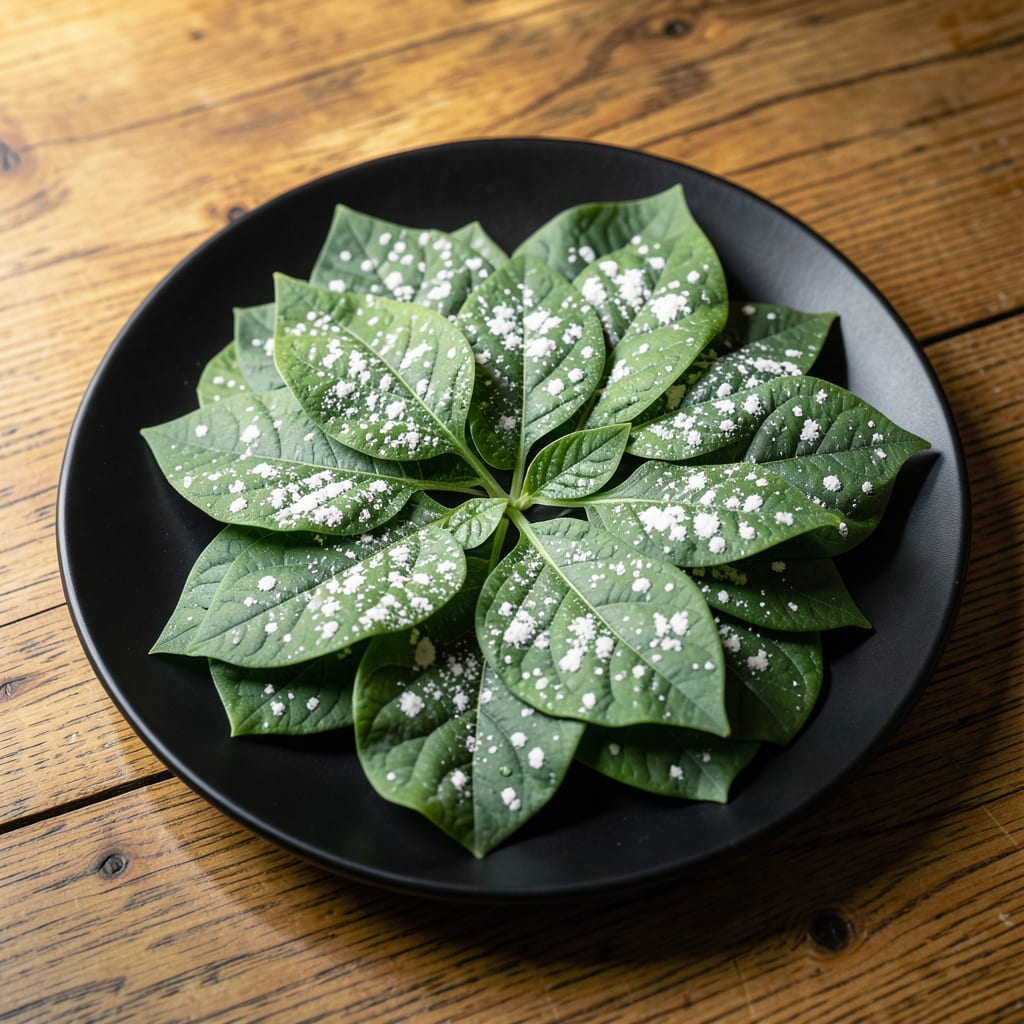
Those white spots on your bean leaves aren’t just ugly—they’re a warning sign. 🌱 I’ve seen this enough to know it’s usually powdery mildew or spider mites, but sometimes it’s just sun scorch from a hot afternoon. Either way, catching it early saves your crop.
The good news? Most causes are fixable without chemicals. A strong blast of water knocks off mites, baking soda spray stops mildew, and shade cloth prevents sun damage. Simple fixes, big results.
Left unchecked, those spots spread fast. Leaves yellow, plants weaken, and your bean harvest takes a hit. But act now, and you can turn this around in a week.
Works for bush beans, pole beans, even your container plants on the patio. Let’s figure out what’s happening and fix it.
White spots on bean leaves often signal underlying issues that disrupt plant health. Below are the most common causes, explained with actionable insights.
Fungi like Powdery Mildew (Erysiphe polygoni) or White Mold (Sclerotinia sclerotiorum) thrive in humid, poorly ventilated conditions. They form white, powdery, or cottony patches on leaves, stems, and pods. Spores spread via wind or water, infecting plants through stomata. Prevent this by spacing plants for airflow, avoiding overhead watering, and removing infected debris.
Sap-sucking pests such as whiteflies, aphids, or spider mites leave behind sticky honeydew or tiny white eggs, which can appear as spots. Their feeding weakens plants and may introduce secondary infections. Check leaf undersides and use neem oil or insecticidal soap for early control.
A lack of magnesium or zinc can cause interveinal chlorosis (yellowing) with white speckling on leaves. Magnesium deficiency often starts in older leaves, while zinc deficiency affects newer growth. Test soil and amend with Epsom salt (for magnesium) or zinc sulfate to correct imbalances.
Excessive sunlight or sunscald can bleach leaf tissues, creating white or tan spots, especially on tender young leaves. Similarly, chemical burn from over-application of foliar sprays or synthetic fertilizers may cause localized discoloration. Shade plants during peak heat and always follow label rates for treatments.
Tackling white spots on your bean leaves starts with identifying the cause and applying targeted solutions. Here’s a practical guide to restore your plants’ health.
Fix: Spray affected leaves with a mix of 1 tsp baking soda + 1 quart water + a few drops of dish soap. Apply weekly until spots disappear. For severe cases, use neem oil (follow label instructions).
Prevention: Improve airflow by spacing plants properly. Water at the base to keep leaves dry, and avoid overhead watering. 💡 Pro tip: Prune dense foliage to reduce humidity buildup.
Fix: Blast pests off with a strong stream of water. For stubborn infestations, apply insecticidal soap or introduce beneficial insects like ladybugs.
Prevention: Inspect leaves regularly (especially undersides). Use reflective mulch to deter whiteflies. 🎯 Pro tip: Companion planting with marigolds or basil can repel pests naturally.
Fix: Move potted beans to partial shade or use shade cloth for garden plants. Trim heavily damaged leaves to redirect energy.
Prevention: Acclimate seedlings gradually to sunlight. Water deeply during heatwaves to prevent stress. ✨ Pro tip: Mulch around plants to retain soil moisture.
Fix: Apply Epsom salt (1 tbsp per gallon of water) as a foliar spray for magnesium deficiencies. For general nutrient boosts, use a balanced organic fertilizer.
Prevention: Test soil annually and amend with compost. Rotate crops to avoid depleting nutrients. 🌡️ Pro tip: Yellowing between leaf veins? That’s a classic magnesium deficiency sign.
Yes, fungal spores and pests can travel between plants. Isolate affected beans and avoid touching healthy ones after handling infected foliage.
Check leaf undersides for tiny bugs or webbing (pests). If you see powdery or cottony growth, it’s likely fungal. Neem oil works for both.
If the issue is environmental or nutrient-related, the beans are fine. For fungal/pest problems, wash produce thoroughly and remove heavily damaged leaves.
