
Beautiful Plants For Your Interior
Beautiful Plants For Your Interior
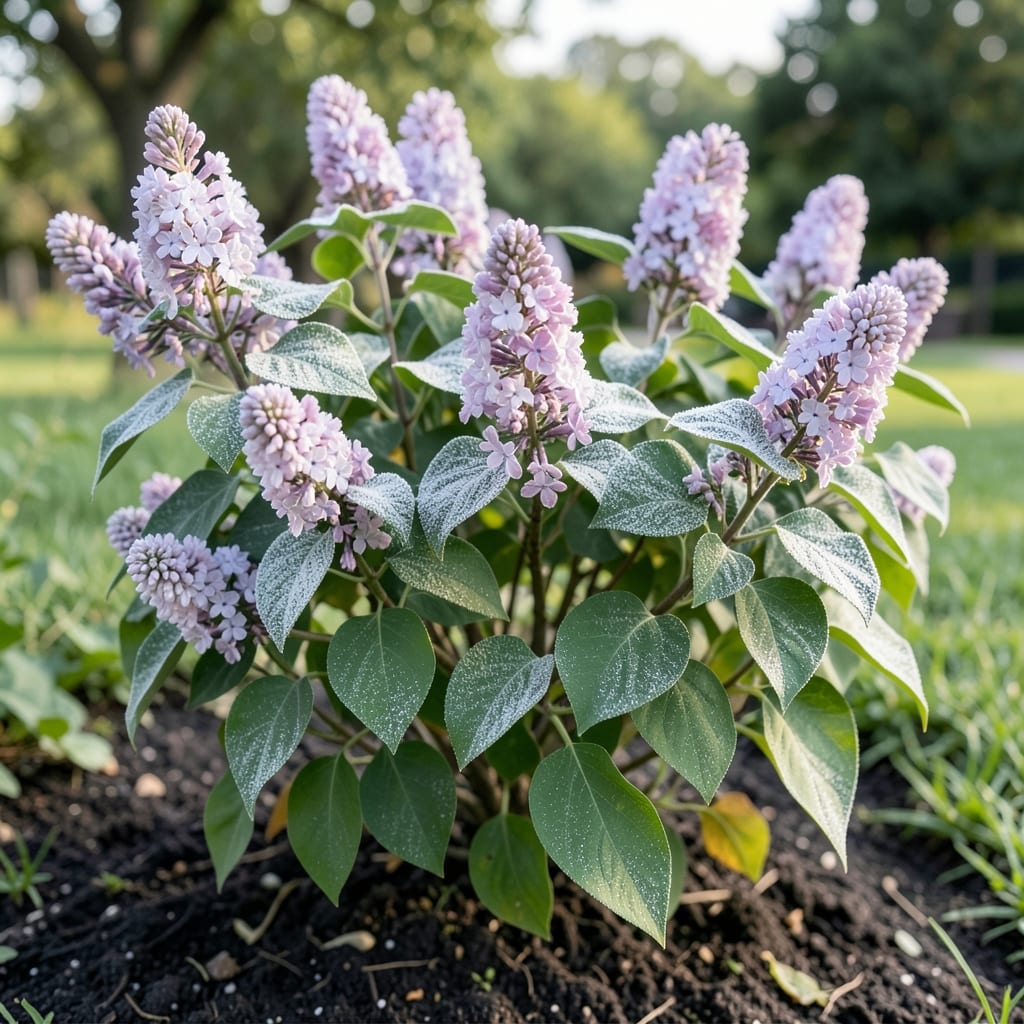
White powder on your lilac leaves means trouble. I’ve battled this fungus for years, and it always starts the same way—a dusty coating that spreads fast if you ignore it.
Humid weather and poor air flow create the perfect storm for powdery mildew. Left untreated, it weakens plants and ruins blooms. The good news? Organic fixes like baking soda sprays and neem oil work surprisingly well.
Prevention is simpler than cure. Space plants properly, water at the base, and clean up fallen leaves. These small steps stop the problem before it starts.
Your lilacs can bounce back with the right care. The key is acting early and staying consistent.
Powdery mildew on lilacs doesn’t appear out of nowhere—it’s the result of specific environmental and plant-health conditions. Understanding these triggers helps you prevent outbreaks before they start. Here’s what’s really going on:
The fungus Podosphaera syringae thrives in humidity levels above 60%, especially when daytime temperatures hover between 60–80°F (15–27°C). Unlike many fungi, powdery mildew doesn’t need free water to germinate—just moisture in the air. Lilacs in crowded spaces or shaded areas with poor airflow are prime targets.
Dense plantings or overgrown lilac bushes trap humid air around leaves, creating a microclimate perfect for spores to settle and spread. Even well-spaced lilacs can suffer if pruned improperly, leaving thick centers that block breezes.
While powdery mildew doesn’t require wet leaves to infect, watering from above can wash spores from infected leaves onto healthy ones, accelerating the spread. Evening watering is especially risky, as leaves stay damp longer in cooler nighttime temps.
Lilacs under stress—from drought, nutrient deficiencies, or root damage—produce fewer natural defenses. A weakened plant can’t fend off spores as effectively, leading to faster and more severe infections.
Some lilac cultivars, particularly older heirloom types like Syringa vulgaris, are genetically more vulnerable. If your garden has a history of mildew, choosing resistant varieties (e.g., Syringa meyeri ‘Palibin’) can break the cycle.
Combatting powdery mildew on your lilacs starts with quick action and consistent care. Below are targeted solutions based on the cause, along with prevention tips to keep your plants healthy and mildew-free.
If your lilacs are crowded or overgrown, trim back dense foliage to improve airflow. Space plants at least 3–4 feet apart to reduce humidity buildup. Prevention tip: 💡 Prune in early spring before new growth starts.
Avoid overhead watering, which wets leaves and promotes fungal growth. Instead, water at the base early in the day so foliage dries quickly. Prevention tip: 🌡️ Use drip irrigation to keep leaves dry.
Snip off heavily infected leaves or stems and destroy them (don’t compost!). For mild cases, spray with neem oil or a baking soda solution (1 tsp baking soda + 1 quart water + a few drops of dish soap). Prevention tip: ✨ Apply organic fungicides weekly during humid weather.
Strengthen lilacs with balanced fertilizer and proper sunlight (6+ hours daily). Avoid over-fertilizing with nitrogen, which encourages tender growth that’s mildew-prone. Prevention tip: 🎯 Mulch with compost to improve soil health.
After blooming, rake up fallen leaves and debris to remove hiding spores. Disinfect pruning tools with rubbing alcohol between cuts. Prevention tip: 💡 Replace mulch annually to reduce overwintering fungi.
With these steps, your lilacs can bounce back—and stay mildew-free for seasons to come!
That white, dusty coating is a classic sign of fungal infection. It starts on the upper leaves and can spread quickly to stems and flowers if left untreated.
Rarely, but it weakens the plant over time by reducing photosynthesis. Severe cases can defoliate lilacs and limit blooming. Early treatment prevents lasting damage.
Yes! A baking soda solution (1 tsp per quart of water) with a drop of dish soap works well. Spray every 7-10 days for best results.
Improve airflow by pruning, water at the base, and clean up fallen leaves. Choose resistant varieties like Syringa meyeri for future plantings.