
Beautiful Plants For Your Interior
Beautiful Plants For Your Interior
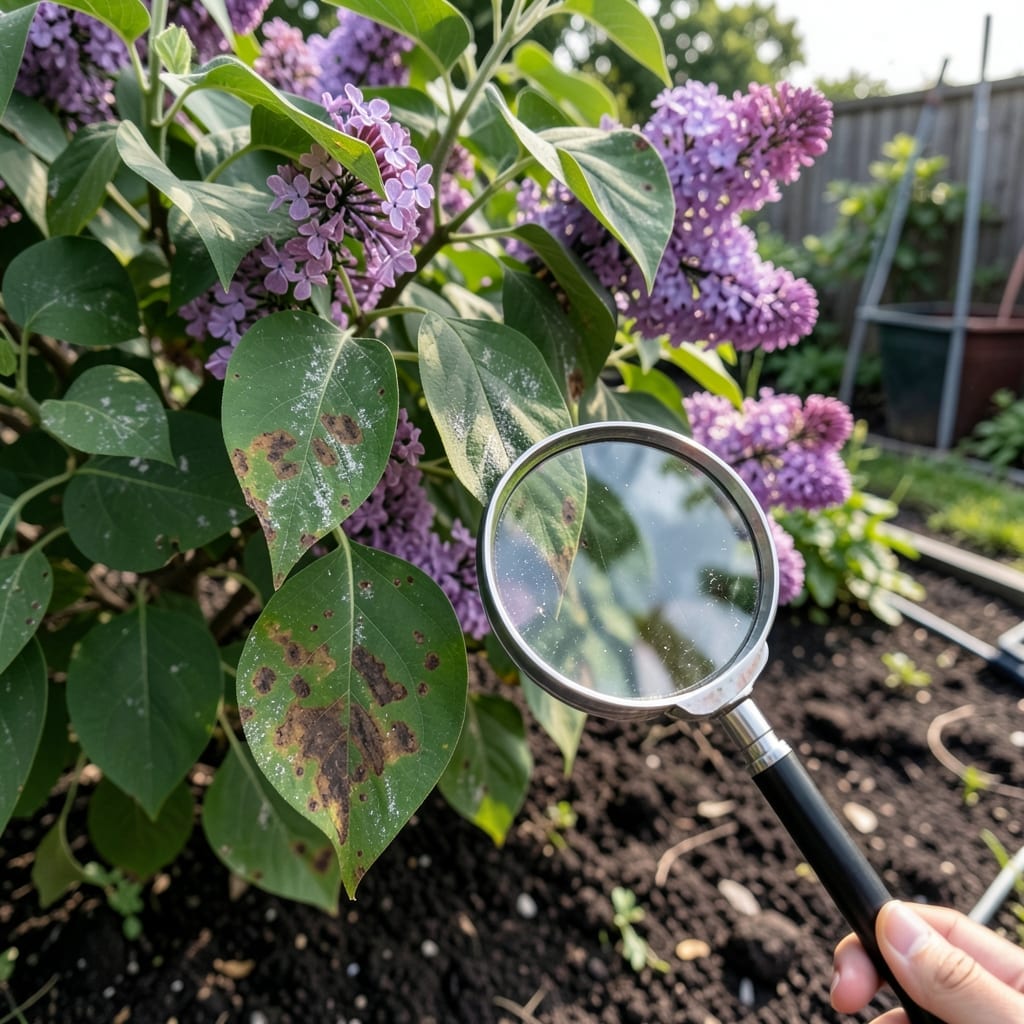
Spotted, curled, or powdery lilac leaves mean trouble. I’ve seen healthy bushes turn sickly overnight, and the key is catching problems early before they spread to the whole plant.
Most leaf diseases start with poor air circulation, wet foliage, or last year’s debris left under the bush. The good news? You can treat and prevent these issues with simple, organic methods that don’t harm beneficial insects or your garden’s ecosystem.
You’ll learn to identify the exact symptoms—whether it’s purple spots, white powder, or yellowing edges—and match them to the right solution. Early action saves the plant and next year’s blooms.
Works for all lilac varieties and keeps your garden thriving without harsh chemicals. Here’s how to diagnose and fix it.
Understanding why lilac leaf diseases occur is the first step to prevention and treatment. These issues often stem from environmental, biological, or cultural factors that weaken the plant or create ideal conditions for pathogens. Below are the primary causes, broken down for clarity and actionability.
Fungal diseases like powdery mildew and leaf spot thrive in damp, humid conditions. Overwatering, poor soil drainage, or dense plant spacing traps moisture on foliage, creating a breeding ground for spores. Lilacs prefer well-draining soil and good air circulation to stay healthy.
Specific pathogens directly cause lilac leaf diseases. For example, Pseudocercospora syringae triggers lilac leaf blight, while Phyllactinia fungi lead to powdery mildew. These organisms spread via wind, rain, or contaminated tools, infecting vulnerable leaves.
Extreme temperatures, drought, or sudden weather changes stress lilacs, making them more susceptible to disease. Heatwaves or late frosts can weaken the plant’s defenses, allowing pathogens to take hold. Proper mulching and consistent watering help mitigate stress.
Neglecting pruning, failing to remove fallen debris, or using unclean tools can introduce or spread diseases. Over-fertilization (especially with nitrogen) may also promote lush, weak growth that’s prone to infection. Sanitizing tools and practicing good garden hygiene are key.
When your lilac leaves show signs of trouble, quick and targeted action can restore their health. Below are practical fixes for common issues, along with tips to keep problems from returning.
Spot white, powdery patches? Spray leaves with a mix of 1 tablespoon baking soda + 1 teaspoon dish soap + 1 gallon water. Apply in the morning to allow drying. Prevention tip 💡: Improve air circulation by pruning dense branches and avoiding overhead watering.
Dark, water-soaked spots or wilting? Remove infected leaves and branches immediately and dispose of them (do not compost). Copper fungicide sprays can help stop the spread. Prevention tip 🎯: Sterilize pruning tools with rubbing alcohol between cuts and water at the base to keep foliage dry.
Brown or black spots with yellow halos? Apply neem oil or sulfur-based fungicides every 7–10 days until symptoms fade. Prevention tip ✨: Rake and remove fallen leaves in autumn to eliminate overwintering spores, and space plants for better airflow.
Yellowing leaves (chlorosis) often signal iron or magnesium shortages. Amend soil with compost or use a chelated iron supplement for quick relief. Prevention tip 🌱: Test soil pH (lilacs prefer 6.0–7.5) and fertilize in early spring with a balanced organic product.
Pro tip 🔥: Always water lilacs at the base—wet leaves invite disease. Early intervention and consistent care keep your shrubs thriving!
White powder is typically powdery mildew, a fungal disease. It thrives in humid conditions with poor air circulation.
Brown spots with yellow halos often indicate leaf spot fungus. Apply neem oil or sulfur fungicides every 7-10 days.
Yes! Improve air flow, water at the base, and remove fallen leaves. Use baking soda sprays for mildew early.
This is chlorosis, usually from iron deficiency. Test soil pH and add chelated iron if needed.