
Beautiful Plants For Your Interior
Beautiful Plants For Your Interior
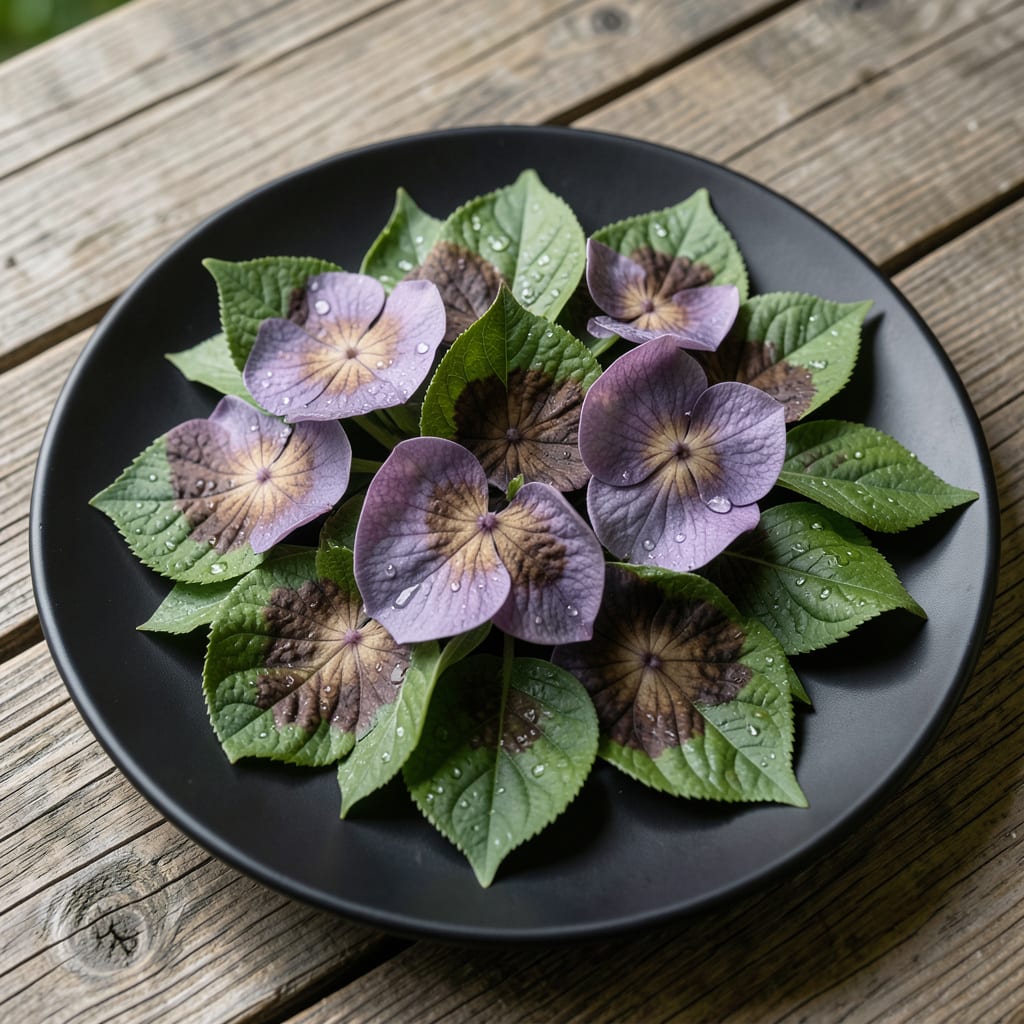
Spotted lilac leaves mean trouble’s brewing. I first noticed the brown splotches on my bushes three springs ago, and ignoring them turned into a season-long battle against defoliation.
This fungal issue thrives in wet, humid conditions—exactly what spring in my zone delivers. The spots start small but merge into ugly patches, weakening the plant and ruining the blooms you worked all winter to see.
Here’s the thing—prevention beats treatment every time. Proper spacing, morning watering, and clean fall cleanup stop the cycle before it starts.
Your lilacs will thank you with healthier foliage and more vibrant flowers next year. Let’s tackle this before it spreads.
Lilac leaf spot disease doesn’t appear out of nowhere—it’s usually the result of specific environmental and biological factors. Understanding these triggers is key to preventing outbreaks and keeping your lilacs healthy.
Fungal pathogens like Cercospora and Pseudocercospora thrive in wet conditions. Overhead watering, poor drainage, or prolonged rain can create the perfect breeding ground. Leaves that stay wet for 6+ hours are especially vulnerable, as spores germinate and infect tissue more easily.
Temperatures between 70–85°F (21–29°C) combined with high humidity accelerate spore production. These conditions are ideal for fungal growth, particularly in late spring and early summer when lilacs are most susceptible.
Dense foliage or crowded plantings restrict airflow, trapping moisture around leaves. This stagnant environment allows spores to settle and multiply. Pruning to open the canopy and spacing plants properly can reduce this risk significantly.
Fungal spores overwinter in fallen leaves and plant debris. If not removed, they can reinfect lilacs the following season. Sanitation—like raking and disposing of infected material—breaks this cycle and limits disease recurrence.
Dealing with lilac leaf spot disease starts with quick action and consistent care. Below are targeted solutions for each cause, paired with prevention tips to keep your lilacs healthy long-term.
If fungal spots appear, prune infected leaves and branches immediately using sterilized shears to prevent spread. Dispose of debris far from the garden—never compost it. Apply a copper-based fungicide or neem oil every 7–10 days during wet seasons. For severe cases, switch to a systemic fungicide labeled for ornamental shrubs.
Fungi thrive in damp conditions. Space plants 4–6 feet apart to boost airflow, and water at the base in the morning so foliage dries quickly. Use a drip irrigation system to avoid wetting leaves. If your soil drains poorly, amend it with compost or sand to reduce standing water.
Fungal spores overwinter in fallen leaves and debris. Rake and remove all plant litter in late fall and early spring. Disinfect gardening tools with a 10% bleach solution between uses. Mulch with fresh wood chips to suppress spores, but keep mulch away from the stems to avoid rot.
💡 Pro tip: Rotate fungicides to prevent resistance, and always follow label instructions for safety and efficacy.
Early signs are small, circular brown or purple spots with lighter centers on the upper leaf surface. They often appear after rainy periods and gradually enlarge, merging into irregular patches.
While rarely fatal, severe infections cause significant defoliation, weakening the plant over time. Young or stressed lilacs are most vulnerable. Consistent care prevents long-term damage.
No. Fungal spores survive composting and can reinfect plants later. Always dispose of diseased material in the trash or burn it to break the infection cycle.
Apply copper-based fungicide or neem oil every 7-10 days during wet seasons. For systemic options, follow the product’s label instructions precisely.
