
Beautiful Plants For Your Interior
Beautiful Plants For Your Interior
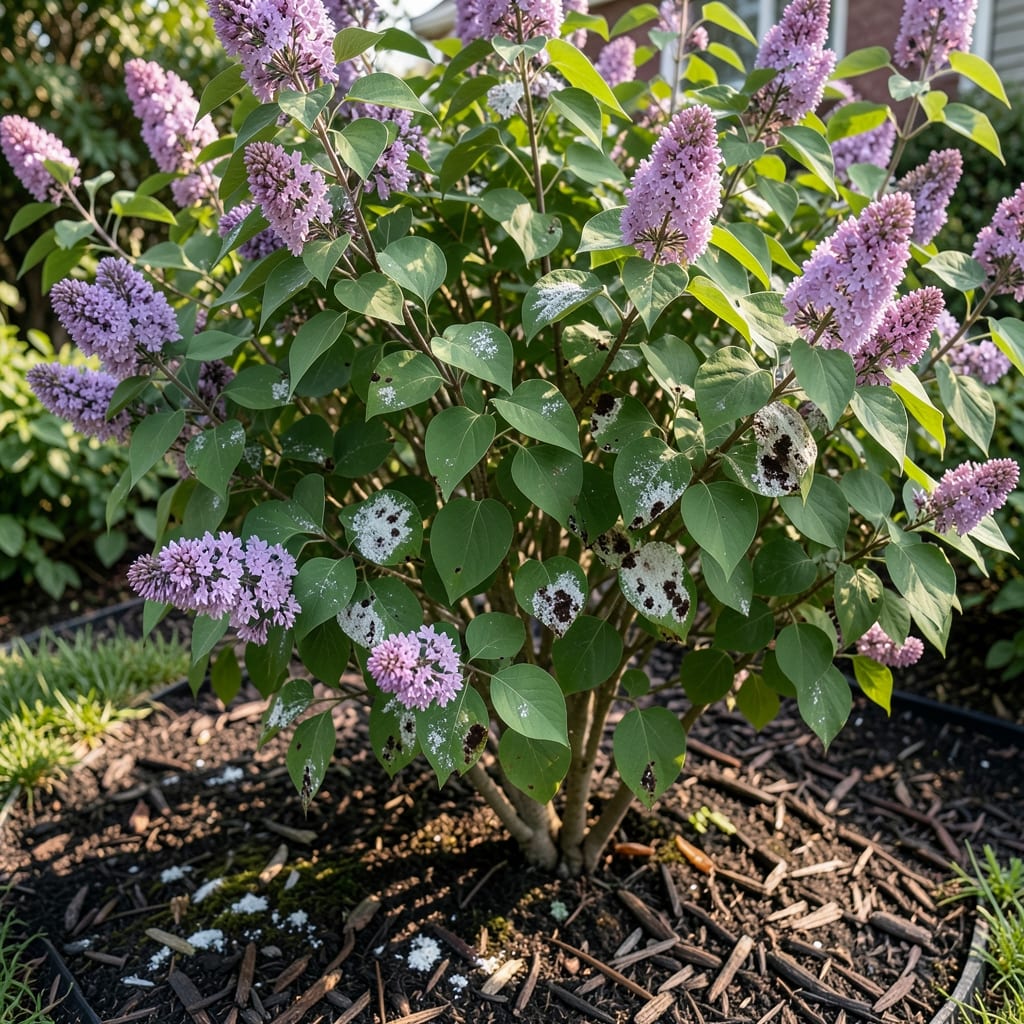
Spotted leaves and blackened stems on your lilacs aren’t just ugly—they’re a warning. I’ve seen fungal diseases turn healthy shrubs into skeletal remains in one season, but catching the signs early changes everything.
Powdery mildew, leaf spot, and blight each leave distinct marks, from white dustings to purple-brown lesions. The culprits? Too much shade, poor airflow, or wet foliage sitting too long. Most gardeners miss the first subtle signs until it’s too late.
Organic fixes like neem oil, baking soda sprays, and better pruning habits can stop the spread without harsh chemicals. The key is consistency—treat at the first sign, then keep treating until the plant recovers.
Your lilacs can bounce back stronger, with fuller blooms next year if you act now. Here’s how to identify what you’re dealing with and exactly what to do about it.
Fungal diseases in lilacs often stem from environmental and cultural conditions that favor pathogen growth. Below are the primary causes, explained scientifically to help you address them effectively.
Fungi thrive in damp environments. Overwatering, heavy clay soils, or inadequate drainage create stagnant moisture around lilac roots and foliage. Phytophthora and Verticillium species, common culprits, exploit these conditions to infect plants through waterlogged roots or splashing spores.
Dense plantings or overcrowded lilac bushes restrict airflow, trapping humidity around leaves. This stagnation promotes fungal spores (e.g., Powdery Mildew) to germinate and spread. Prune regularly to improve ventilation and reduce disease pressure.
Lilacs are hardy, but sudden temperature swings or prolonged high humidity (above 70%) create ideal conditions for fungal spores to activate. Warm days followed by cool, dewy nights—common in spring—accelerate infections like Anthracnose or Leaf Spot.
Fungal pathogens overwinter in fallen leaves, soil, or unsterilized pruning tools. Using dirty shears or failing to remove infected plant debris reintroduces spores to healthy lilacs. Always sanitize tools with rubbing alcohol and clear garden debris to break the disease cycle.
Stressed lilacs—due to nutrient deficiencies, drought, or root damage—are more susceptible to fungal attacks. A compromised plant’s natural defenses weaken, allowing pathogens like Botrytis to take hold. Maintain vigor with balanced fertilization and proper watering.
Combating fungal diseases on your lilacs starts with swift action and consistent care. Below are targeted solutions for common causes, along with prevention tips to keep your plants thriving.
Remove affected leaves and thin out dense branches to boost air circulation. Apply a baking soda solution (1 tbsp baking soda + 1 tsp dish soap + 1 gallon water) weekly until symptoms fade. Prevention tip: Space plants properly and water at the base to keep foliage dry.
Prune infected leaves and destroy them (do not compost). Spray with neem oil or a copper-based fungicide every 7–10 days. Prevention tip: Avoid overhead watering and clean up fallen debris around the plant.
If roots are soggy, improve drainage by amending soil with compost or sand. Trim blackened roots and repot if necessary. Prevention tip: Plant lilacs in well-draining soil and avoid overwatering.
For broad protection, use a garlic or chamomile tea spray (steep crushed garlic or chamomile in water, strain, and spray). Reapply after rain. Prevention tip: Strengthen plants with balanced fertilizer to resist infections.
Pro tip 💡: Always sterilize pruning tools with rubbing alcohol between cuts to prevent spreading spores.
Powdery mildew appears as white, powdery patches on leaves. Leaf spot causes purple-brown or black splotches with yellow halos. Blight creates dark, sunken lesions on stems and leaves.
Yes, if caught early. Trim blackened roots, improve drainage with compost or sand, and avoid overwatering. Severe cases may require repotting in fresh, well-draining soil.
Apply neem oil every 7-10 days until symptoms disappear. Reapply after rain. Always spray in the evening to avoid leaf burn from sun exposure.
Recurring issues often stem from poor airflow, wet foliage, or contaminated tools. Prune for better ventilation, water at the base, and sterilize tools between uses to break the cycle.