
Beautiful Plants For Your Interior
Beautiful Plants For Your Interior
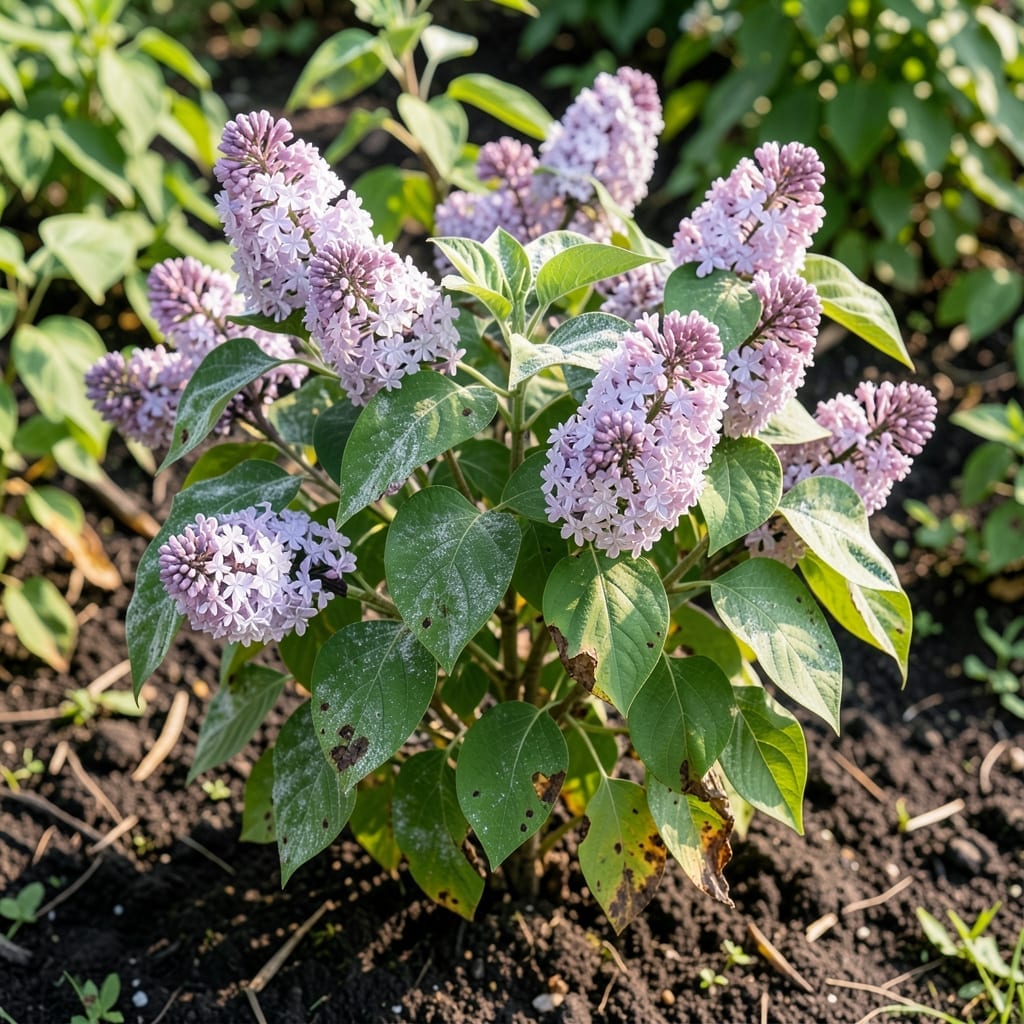
Those purple blooms turned brown overnight? I’ve been there—watching lilacs struggle with silent invaders that steal their beauty. A visual guide cuts through the guesswork.
Spotted leaves, powdery coatings, or wilting branches each tell a different story. The right photos help you match symptoms to solutions before the damage spreads through your entire bush.
With this approach, you’ll identify problems in minutes instead of weeks. Early action means healthier plants and more spectacular blooms next season.
Works for every lilac variety, from common purple to rare white cultivars. No more wondering what went wrong.
Lilac diseases often stem from a mix of environmental stressors, pathogens, and poor cultural practices. Understanding the root causes helps prevent and manage these issues effectively. Below are the primary reasons why lilacs fall ill, explained with actionable insights.
Fungi like Pseudocercospora syringae (causing leaf spot) and Phytophthora spp. thrive in wet, humid conditions. Overhead watering, poor air circulation, or soggy soil create ideal breeding grounds. Fungal spores spread via wind, rain, or contaminated tools, leading to discolored leaves, wilting, or stem cankers.
Insects such as lilac borers and scale insects weaken plants by tunneling into stems or sucking sap. Borers lay eggs in bark cracks, while scale insects excrete honeydew, promoting sooty mold. Stress from drought or over-fertilization makes lilacs more vulnerable to these pests.
Extreme temperatures, drought, or waterlogged soil stress lilacs, reducing their natural defenses. Poor drainage leads to root rot, while heatwaves can scorch leaves. Additionally, planting in full shade (instead of full sun) weakens growth, making plants susceptible to secondary infections.
Lilacs require well-draining, alkaline soil (pH 6.5–7.5). Acidic or nutrient-poor soil causes chlorosis (yellowing leaves) due to iron or magnesium deficiencies. Over-fertilizing with nitrogen, conversely, promotes leafy growth at the expense of blooms, stressing the plant.
Actionable tip: Test soil annually and amend with compost or lime as needed.
When your lilacs show signs of disease, quick action can save your plants. Below are practical solutions for common lilac diseases, along with tips to prevent future issues.
If you spot white, powdery spots on leaves, prune infected areas immediately. Spray with a fungicide like neem oil or sulfur-based treatments every 7–10 days until resolved. Prevention tip: 💡 Space plants properly for airflow, and water at the base to keep foliage dry.
Brown or black spots on leaves? Remove and destroy infected leaves to stop the spread. Apply a copper-based fungicide as directed. Prevention tip: ✨ Avoid overhead watering, and clean up fallen leaves in autumn to reduce spores.
For wilting shoots or dark, water-soaked lesions, prune infected branches 6 inches below the damage. Sterilize tools with rubbing alcohol between cuts. Prevention tip: 🌡️ Disinfect pruners after each use, and avoid working with wet plants to limit bacterial entry.
If pests like aphids or borers are weakening your lilacs, use insecticidal soap or horticultural oil for soft-bodied insects. For borers, remove and burn infested wood. Prevention tip: 🎯 Encourage beneficial insects (e.g., ladybugs) and inspect plants regularly for early signs.
Yellowing leaves and stunted growth may signal root rot. Stop watering immediately and improve drainage by amending soil with compost. Trim black, mushy roots. Prevention tip: 💧 Plant lilacs in well-draining soil and avoid overwatering—let the top inch of soil dry between waterings.
With these steps, your lilacs can bounce back and thrive for years to come!
Look for white, powdery spots on leaves and stems. These patches often appear in late summer and spread quickly in humid conditions. Early treatment with neem oil can stop it.
Brown or black spots usually indicate leaf spot disease, often caused by fungi. Remove affected leaves and avoid overhead watering to prevent further spread.
Yes, some fungal and bacterial diseases can spread via wind, rain, or contaminated tools. Always sterilize pruning tools and dispose of infected plant debris properly.
Act at the first sign of trouble. For fungal issues, apply treatments in the early morning for best absorption. Early intervention prevents permanent damage.