
Beautiful Plants For Your Interior
Beautiful Plants For Your Interior
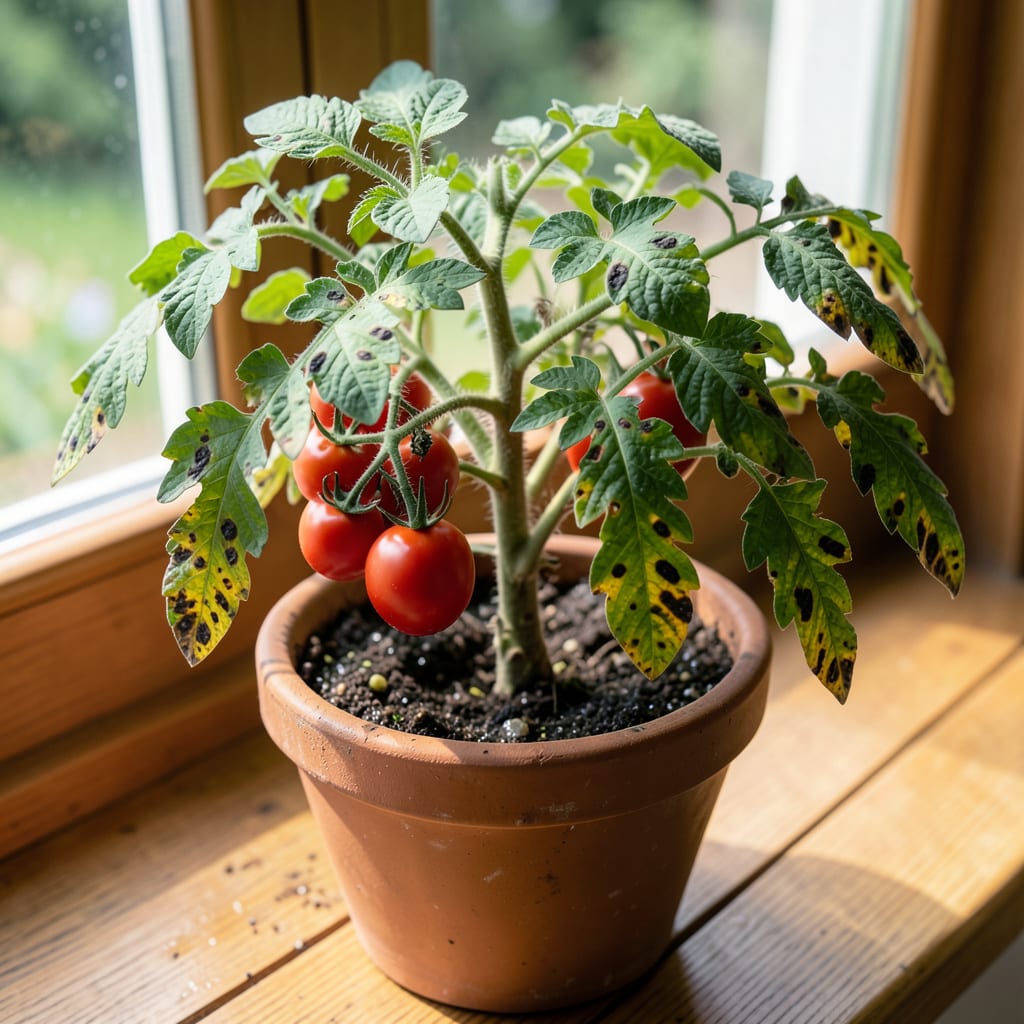
I’ve seen my share of panicked gardeners staring at black spots on tomato leaves. Here’s the thing—those spots aren’t just random. They’re your plants’ way of waving a red flag about trouble in the soil or air.
Most times, it’s fungal villains like early blight or septoria, but sometimes it’s bacteria or even stress from uneven watering. The good news? You can often fix it fast with the right tweaks to airflow, watering, or soil pH.
Spot the pattern early, and you’ll save your crop. Ignore it, and you might lose the whole plant. I learned that lesson the hard way one July afternoon.
We’ll walk through how to diagnose the issue and turn things around before it spreads. No fancy tools required.
Black spots on tomato leaves are a distress signal from your plant, often triggered by environmental stressors, pathogens, or cultural missteps. Here’s a breakdown of the most common causes, each with a clear scientific basis.
Fungi like Alternaria solani (early blight) or Septoria lycopersici thrive in warm, humid conditions. These pathogens produce spores that germinate on wet foliage, leading to dark, concentric lesions. Overhead watering or poor air circulation exacerbates the problem by prolonging leaf wetness—a key requirement for fungal growth.
Bacteria such as Pseudomonas syringae pv. tomato (bacterial speck) or Xanthomonas spp. (bacterial spot) enter through stomata or wounds, causing small, water-soaked spots that turn black. These pathogens spread via splashing water, contaminated tools, or infected seed. High humidity and temperatures between 75–85°F (24–29°C) accelerate their proliferation.
Extreme heat, cold snaps, or inconsistent watering can cause physiological stress, leading to necrotic (dead) tissue that appears as black spots. For example, calcium deficiency—often due to uneven soil moisture—triggers blossom end rot-like symptoms on leaves. Similarly, sunscald from intense UV exposure can create dark, papery patches.
Sap-sucking insects like aphids or whiteflies introduce toxins or transmit viruses (e.g., Tomato Spotted Wilt Virus), which manifest as blackened, mottled spots. Their feeding also creates entry points for secondary infections. Check leaf undersides for sticky honeydew or tiny pests.
Deficiencies in magnesium (interveinal chlorosis with black speckles) or potassium (scorched leaf edges) disrupt cellular function, leading to tissue death. Conversely, excessive nitrogen promotes lush but weak growth, making plants more susceptible to diseases that cause spotting.
Tackling black spots on tomato leaves starts with identifying the cause and applying the right fix. Here’s a practical guide to treating the most common issues, along with prevention tips to keep your plants healthy.
For early blight or late blight, remove infected leaves immediately to stop the spread. Apply a copper-based fungicide or a homemade mix of 1 tsp baking soda + 1 quart water + a few drops of dish soap. Spray every 7–10 days, especially after rain. Prevention tip: 💡 Space plants for airflow, water at the base (not leaves), and rotate crops yearly.
If aphids, flea beetles, or spider mites are the culprits, blast them off with water or use neem oil or insecticidal soap. For severe infestations, opt for a targeted pesticide. Prevention tip: 🎯 Encourage beneficial insects like ladybugs and lacewings by planting companion flowers (e.g., marigolds or basil).
Yellowing leaves with black spots often signal magnesium or potassium deficiency. Fix with Epsom salt (1 tbsp/gallon of water) for magnesium or a balanced fertilizer (e.g., 10-10-10) for potassium. Prevention tip: ✨ Test soil pH (aim for 6.0–6.8) and amend with compost before planting.
Let soil dry slightly between waterings, and ensure pots have drainage holes. If root rot is suspected, trim affected roots and repot in fresh, well-draining soil. Prevention tip: 🌡️ Water in the morning and use mulch to retain moisture without soggy soil.
Protect plants from extreme heat or cold with row covers or shade cloth. For sunscald, avoid pruning too aggressively to preserve foliage cover. Prevention tip: 🌿 Harden off seedlings before transplanting and acclimate plants gradually to outdoor conditions.
Yes, remove infected leaves right away to prevent the problem from spreading. Use clean pruners and dispose of the foliage far from your garden to avoid reinfection.
Overwatering creates soggy soil and promotes fungal growth. Ensure pots have drainage and let the top 1-2 inches of soil dry between waterings.
Improve airflow by spacing plants 2-3 feet apart. Water at the base, not the leaves, and avoid overhead sprinklers. Mulch helps prevent soil splashing.
Not always. Environmental stress like sunscald, nutrient deficiencies, or pest damage can also create dark patches. Check for patterns in location and leaf appearance.
