
Beautiful Plants For Your Interior
Beautiful Plants For Your Interior
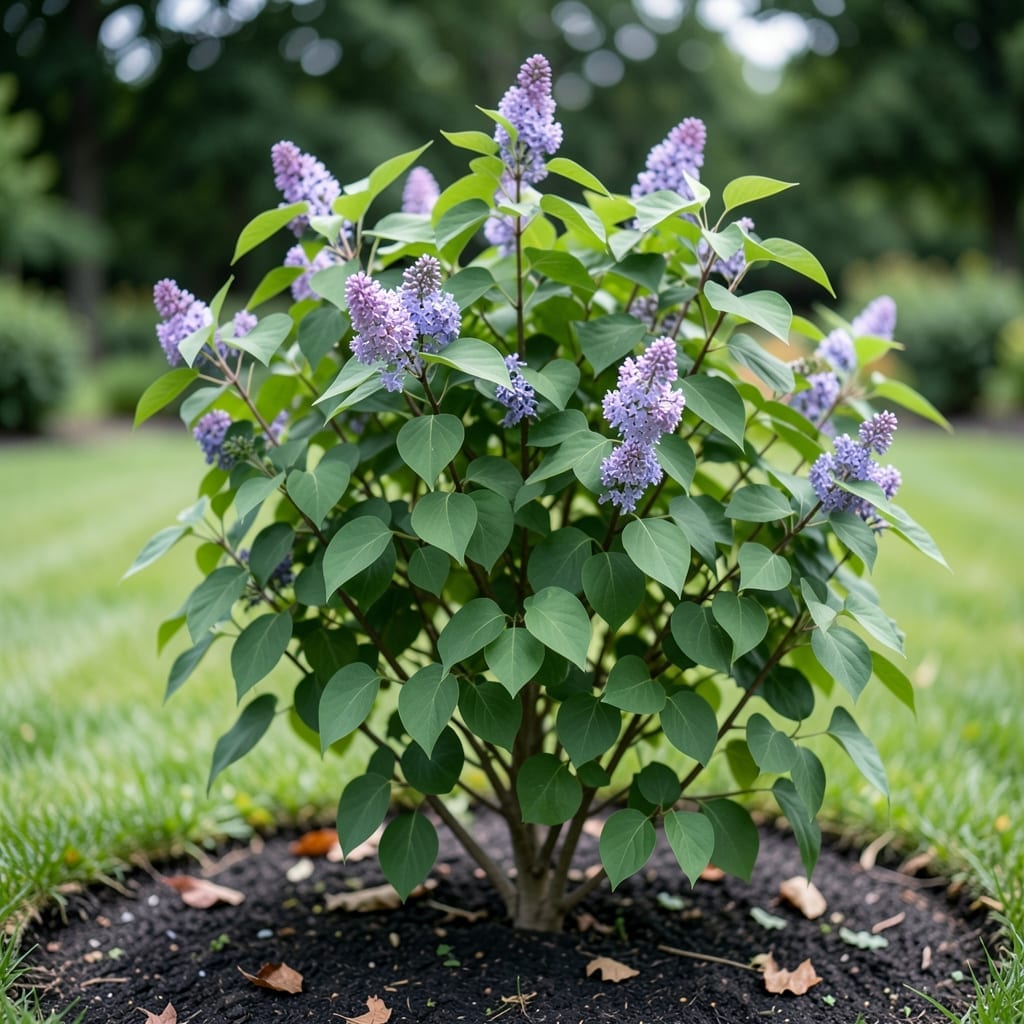
My lilac bush stood leafy but silent for three springs before I figured out what it needed. The problem wasn’t bad luck—it was wrong timing and shady conditions that robbed me of those fragrant blooms.
Most people prune at the wrong time or plant in spots that get less than 6 hours of direct sun. Lilacs set their flower buds in summer for the next year, so late pruning cuts off next spring’s show before it even starts.
Once you adjust the light and pruning schedule, you’ll see buds forming by late summer. The first spring after fixing these issues, my lilac exploded with dozens of flower clusters that perfumed the whole yard.
Works for established bushes and new plantings alike. The fix is simpler than you think.
Lilac bushes fail to bloom for several specific, often fixable reasons. Understanding the root causes helps you restore vibrant spring flowers. Below are the most common culprits:
Lilacs are sun-worshippers. They require at least 6–8 hours of direct sunlight daily to produce buds. Shade from buildings, trees, or fences disrupts photosynthesis, reducing energy for blooming. If your bush is in partial shade, relocate it or prune nearby obstructions.
Lilacs bloom on old wood—stems that grew the previous year. Pruning at the wrong time (e.g., late summer or fall) removes next year’s buds. Always prune immediately after flowering (spring) to avoid cutting off future blooms.
Too much nitrogen (common in lawn fertilizers) promotes leafy growth at the expense of flowers. Lilacs thrive in moderately fertile, well-drained soil. Use a balanced fertilizer (10-10-10) only if soil tests show deficiencies, and avoid high-nitrogen blends.
Young lilac bushes (under 3–5 years old) may not bloom yet. They focus energy on root and stem development first. Patience is key—once established, healthy lilacs bloom reliably for decades.
Extreme moisture fluctuations stress the plant. Lilacs prefer consistent moisture but dislike soggy roots. Mulch the base to retain water, and water deeply during dry spells—1–2 inches per week is ideal.
If your lilac bush isn’t blooming, don’t lose hope—these targeted fixes can bring the flowers back. Start by addressing the most common issues with practical, step-by-step solutions.
Lilacs need at least 6 hours of direct sunlight daily. If your bush is in the shade:
Prevention tip: 💡 Plant new lilacs in full sun from the start, ideally in well-draining soil.
Pruning at the wrong time removes flower buds. Lilacs bloom on old wood, so:
Prevention tip: ✨ Mark your calendar for post-bloom pruning each year.
Lilacs thrive in slightly alkaline soil (pH 6.5–7.0). Test your soil and:
Prevention tip: 🌡️ Test soil every 2–3 years to maintain ideal conditions.
Lilacs are drought-tolerant once established. If your bush is soggy:
Prevention tip: 🎯 Water deeply but infrequently to encourage strong roots.
Most lilacs need 3-5 years to mature enough to produce flowers. Young bushes focus on root and stem growth first. Be patient—once established, they’ll bloom reliably for decades.
Yes! Lilacs require 6-8 hours of direct sunlight daily. Shade from trees or buildings reduces photosynthesis, starving the plant of energy needed for buds. Even partial shade can delay or prevent blooms.
Too much nitrogen (common in lawn fertilizers) promotes leafy growth at the expense of blooms. Use a balanced 10-10-10 fertilizer sparingly, or switch to a phosphorus-rich blend to encourage flowering.
Pruning in late summer or fall removes next year’s flower buds. Always prune immediately after blooming in spring to shape the bush without sacrificing future flowers.