
Beautiful Plants For Your Interior
Beautiful Plants For Your Interior
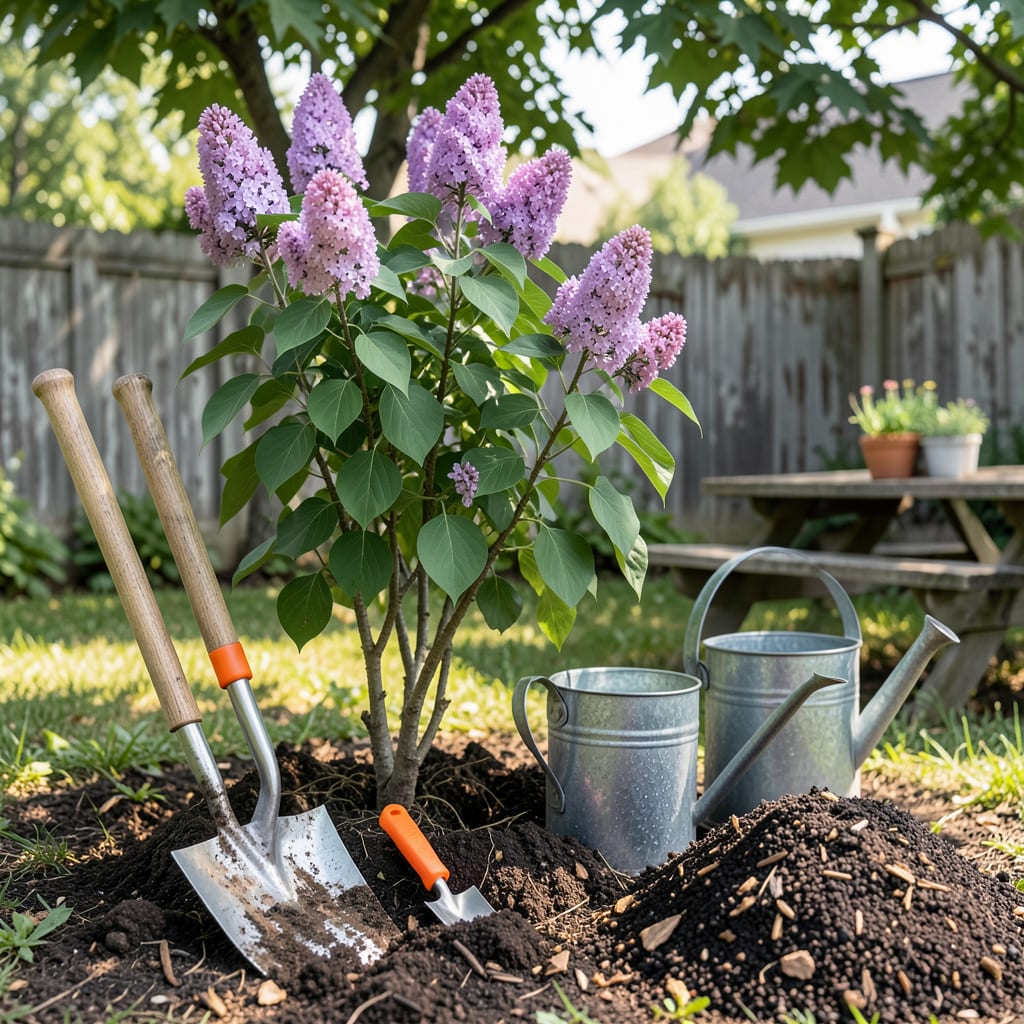
Michigan’s unpredictable springs and early frosts can turn lilac planting into a guessing game—unless you know the exact windows that work. I’ve seen too many gardeners plant their 💜 Lilacs at the wrong time, only to watch them struggle through their first season.
The good news? With the right timing—tied to your specific zone in the Great Lakes State—you can set your lilacs up for explosive growth and those iconic fragrant blooms. Let me break down the two ideal planting seasons and why one might work better for your Michigan backyard.
If you’re dreaming of fragrant lilac blooms in your Michigan garden, timing your planting is critical. Michigan’s USDA zones 4-6 create unique challenges, from unpredictable spring thaws to early fall frosts. I’ve found that both spring and fall offer viable windows—but each season has distinct advantages.
The key is working with Michigan’s climate, not against it. In spring planting, you’ll want to wait until soil temperatures reach at least 50°F, typically around mid-April in southern Michigan and early May in the Upper Peninsula. Fall planting requires getting lilacs in the ground 6 weeks before first frost—usually by early October.
| Planting Season | Optimal Window | Pros | Cons |
|---|---|---|---|
| Spring | Mid-April to May | Faster initial growth, easier to monitor watering | Risk of late frosts, more competition with weeds |
| Fall | September to early October | Better root establishment, less watering needed | Shorter window before frost, harder to assess plant health |
| Zone 4 | Plant 1-2 weeks later than Zone 6 | More cold-hardy varieties available | Shorter growing season, slower establishment |
💡 Pro Tip: Fall planting is generally preferred in Michigan for stronger root systems before winter.
For Zone 6 gardeners in southern Michigan, you can push your planting dates slightly earlier in spring or later in fall. But in Zone 4 areas like the Upper Peninsula, I recommend sticking to the safer middle of these windows. Remember, soil temperature matters more than air temperature—use a soil thermometer for accuracy.
Michigan’s clay-heavy soils present another challenge. Before planting, I always recommend amending with compost or aged manure to improve drainage. A good rule is to dig your hole twice as wide as the root ball but no deeper. This encourages roots to spread outward rather than circling.
If you’re planting in spring, be prepared for more frequent watering—Michigan’s spring rains can be unpredictable. Mulch with 2-3 inches of wood chips to retain moisture and suppress weeds. For fall plantings, focus on deep watering every 5-7 days until the ground freezes to help roots establish.
One mistake I see often is planting too late in fall. In Michigan, that 6-week window before frost is non-negotiable. Check your local frost dates—what works in Detroit (Zone 6) won’t necessarily work in Marquette (Zone 4). When in doubt, err on the side of earlier planting.
For those in urban areas with microclimates, you might have slightly more flexibility. Buildings and pavement can create warmer pockets that extend your planting window by a week or two. But don’t push it—lilacs need time to establish before extreme temperatures hit.
After planting, resist the urge to fertilize immediately. I recommend waiting until next spring to apply a balanced 10-10-10 fertilizer. This gives roots time to establish naturally without the risk of fertilizer burn on tender new growth.
Remember, the first year is all about root development—don’t expect many blooms. But with proper timing and care, your Michigan lilacs will reward you with vibrant, fragrant blooms for decades to come. Next, let’s explore the best lilac varieties specifically suited for Michigan’s climate. 🌷
Now that you know when to plant, let’s dive into the how-to for Michigan’s unique conditions. I’ve planted dozens of lilacs across the state, and the secret to success starts with site selection and soil prep. Lilacs thrive in full sun (6+ hours daily) and well-drained soil—critical in Michigan’s often wet springs.
Begin by testing your soil’s pH level—lilacs prefer 6.5 to 7.0. Our clay-heavy Michigan soils often need amending. I mix in compost and coarse sand to improve drainage. Dig your hole twice as wide as the root ball but no deeper. This encourages roots to spread horizontally, which is crucial for stability in our windy Great Lakes climate.
Many gardeners plant lilacs too deep in Michigan’s heavy soils. The root flare (where roots meet trunk) should sit 1-2 inches above soil level to prevent rot from our frequent rains.
For spring plantings, water deeply immediately after planting, then maintain 1-2 inches per week through the first season. In fall, focus on deep watering every 5-7 days until the ground freezes. I use a soaker hose to deliver water directly to roots while conserving moisture in our sometimes-dry autumns.
Mulching is non-negotiable in Michigan. Apply 2-3 inches of wood chips, keeping it 3 inches away from the trunk to prevent rodent damage. This protects roots from our freeze-thaw cycles and suppresses weeds that compete for nutrients. In windy areas, consider adding a burlap windbreak for the first winter.
Avoid fertilizing at planting time—it can burn tender new roots. Instead, I recommend waiting until next spring to apply a balanced 10-10-10 fertilizer. For the first year, focus on consistent watering and monitoring for pests like lilac borers, which are common in Michigan’s climate.
Remember, Michigan’s Zone 4-6 range means adjustments are needed. In the Upper Peninsula (Zone 4), protect new plantings with extra mulch. Southern Michigan gardeners (Zone 6) can push planting dates slightly later. The first year is about establishment—don’t expect many blooms, but proper care now means decades of fragrant springs ahead. ✂️
Not all lilacs thrive equally in Michigan’s Zones 4-6. After testing dozens of varieties across the state, I’ve found some clear winners for our climate. The common purple lilac (Syringa vulgaris) remains a classic, but newer cultivars offer extended bloom times and better cold tolerance.
For Zone 4 gardeners in the Upper Peninsula, I recommend starting with ‘Miss Kim’—a compact Korean lilac that blooms later and handles our harsh winters beautifully. In southern Michigan (Zone 6), you can experiment with reblooming varieties like ‘Bloomerang’ that offer multiple flushes of flowers.
| Variety | Best Zones | Bloom Time | Planting Window | Special Features |
|---|---|---|---|---|
| Common Purple | 4-6 | Mid-May | April-May or Sept-Oct | Classic fragrance, 10-15ft tall |
| Miss Kim | 4-7 | Late May | May or early Sept | Compact (6-8ft), cold-hardy |
| Bloomerang | 5-7 | May + reblooms | April or Sept | Reblooming, 4-6ft tall |
| Sensation | 4-7 | Mid-May | May or Sept-Oct | Purple/white bicolor, 12ft |
💡 Pro Tip: ‘Miss Kim’ is my top pick for Zone 4 areas—it blooms later, avoiding late frost damage.
For urban gardeners with limited space, dwarf varieties like ‘Palibin’ (4-5ft tall) work wonderfully. These can be planted slightly later in spring since their smaller root systems establish faster. Just remember—even dwarf lilacs need full sun to bloom well in Michigan.
The native Japanese tree lilac (Syringa reticulata) deserves special mention for its June bloom time—perfect for extending your lilac season. These grow faster than traditional lilacs and tolerate Michigan’s clay soils better than most cultivars. Plant them in early fall for best results.
When selecting varieties, consider your microclimate. Lakeside properties often have slightly milder winters, allowing for earlier spring planting. Inland areas with more temperature swings benefit from fall planting to establish roots before winter. Always check your local frost dates—what works in Grand Rapids might not in Traverse City.
For the most fragrant options, stick with classic Syringa vulgaris cultivars. If you want longer bloom times, look for reblooming varieties. And for low-maintenance choices, the native tree lilac can’t be beat. Whatever you choose, proper timing and care will ensure your Michigan lilacs thrive for generations. 🌿
Fall is generally preferred for Michigan’s climate. Planting 6 weeks before first frost (early October) allows roots to establish before winter. Spring works too, but requires more watering and weed control.
Fall-planted lilacs often develop stronger root systems. However, spring planting lets you monitor growth more easily during the active growing season.
In Zone 6 (southern Michigan), plant 2 weeks earlier than Zone 4 areas. For the Upper Peninsula (Zone 4), stick to mid-May for spring or early September for fall.
Always check local frost dates—Detroit’s schedule differs from Marquette’s. When in doubt, plant earlier rather than later to avoid frost damage.
Planting too deep in our heavy clay soils. The root flare should sit 1-2 inches above soil level to prevent rot from Michigan’s frequent rains.
Another common error is late fall planting—always allow 6 weeks before first frost for root establishment.
Mix in compost and coarse sand to improve drainage. Dig the hole twice as wide as the root ball but no deeper to encourage outward root growth.
This is especially crucial in areas with heavy clay, like much of southern Michigan. Proper soil prep prevents waterlogged roots and promotes healthier growth.
