
Beautiful Plants For Your Interior
Beautiful Plants For Your Interior
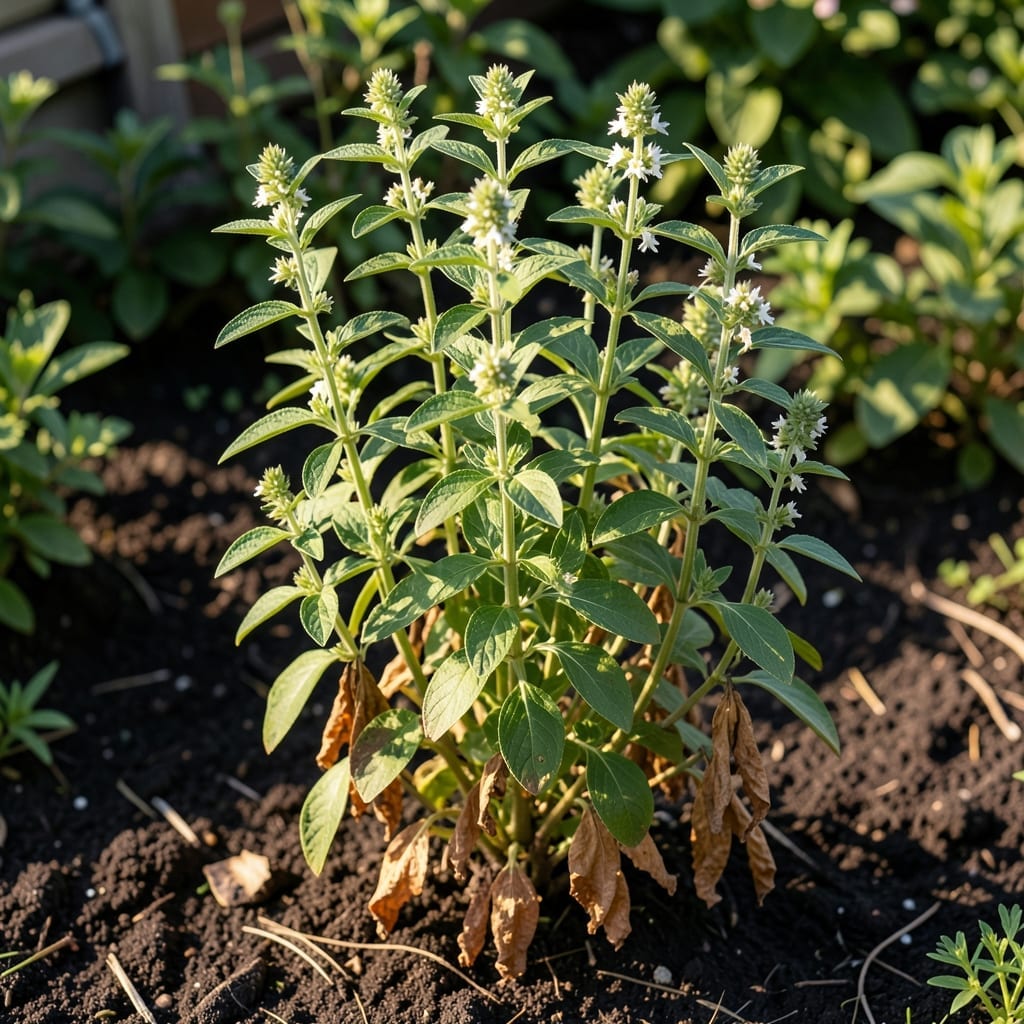
Brown leaves on lemon verbena always signal a cry for help. I’ve watched this fragrant herb go from lush and vibrant to crispy in days when conditions aren’t right.
The usual suspects? Too much or too little water, harsh sunlight scorch, or a drafty spot that shocks the plant. Once I adjusted these, my verbena bounced back faster than I expected.
You’ll see new growth within 1-2 weeks of fixing the issue. The key is catching it early—before those brown edges spread to the whole leaf.
Works for potted plants indoors or garden beds outside. Here’s how to diagnose and treat it properly.
Understanding why lemon verbena develops brown leaves starts with identifying the most common stressors. Below are the primary culprits, each with a clear explanation to help you diagnose the issue.
Lemon verbena thrives in well-draining soil. When roots sit in soggy conditions, they suffocate and rot, unable to absorb oxygen. This leads to root asphyxiation, which manifests as brown, wilting leaves. The plant’s vascular system fails to transport water and nutrients efficiently, causing leaf tissue to die off.
While lemon verbena loves sunlight, intense, direct UV rays—especially in hot climates—can scorch its leaves. The plant’s cells lose moisture faster than they can replenish it, leading to leaf burn. Brown patches often appear on the most exposed foliage first.
This plant prefers warm but not extreme temperatures (60–85°F). Sudden cold snaps or frost damage the cell walls, causing them to collapse and turn brown. Conversely, heatwaves accelerate water loss, leading to dehydration and leaf crisping.
A lack of magnesium or potassium can trigger leaf browning, often starting at the edges. These nutrients are vital for chlorophyll production and water regulation. Without them, the plant’s metabolism slows, and older leaves turn brown first as the plant redistributes resources to newer growth.
Sap-sucking pests like spider mites or aphids pierce leaf tissues, disrupting nutrient flow. Their feeding causes localized browning, often accompanied by webbing or sticky residue. Over time, the damage spreads, weakening the plant’s overall health.
Here’s how to tackle the most common causes of brown leaves on your lemon verbena, with simple fixes and prevention tips to keep your plant thriving.
If the soil is bone-dry, your plant is likely thirsty. Fix it: Give it a thorough watering until water drains from the bottom. For potted plants, soak the container in a shallow tray of water for 10–15 minutes to rehydrate the roots. Prevention: Stick your finger an inch into the soil—if it feels dry, it’s time to water. Aim for consistent moisture, not soggy soil. Pro tip: Mulch around the base to retain moisture.
Yellowing leaves with brown edges? You might be drowning it. Fix it: Stop watering immediately and let the soil dry out. If the roots are soggy or smelly, repot the plant in fresh, well-draining soil. Trim any black or mushy roots before replanting. Prevention: Use pots with drainage holes and a fast-draining soil mix. Water only when the top 1–2 inches of soil are dry.
Crispy, curled brown leaves often signal sunburn. Fix it: Move your lemon verbena to a spot with bright, indirect light or dappled shade, especially during peak afternoon hours. If it’s in the ground, use a shade cloth for temporary relief. Prevention: Acclimate the plant gradually to direct sun, starting with 1–2 hours a day.
Brown leaves can appear if the plant is exposed to cold drafts or extreme heat. Fix it: Move potted plants indoors or to a sheltered area when temperatures drop below 40°F (4°C). In hot climates, ensure good air circulation to prevent heat stress. Prevention: Keep lemon verbena in a stable environment, away from AC vents or heaters.
If leaves brown from the edges inward, a lack of potassium or magnesium might be the culprit. Fix it: Use a balanced, water-soluble fertilizer (10-10-10) or a citrus-specific feed every 4–6 weeks during the growing season. Prevention: Enrich the soil with compost at planting time for a slow-release nutrient boost.
Check the soil first—if it’s bone-dry 1-2 inches down, thirst is likely the issue. Leaves may also feel crispy or curl inward. A deep soak should revive it within 24-48 hours if caught early.
Move the plant to bright, indirect light immediately. Trim severely damaged leaves to redirect energy. Use a shade cloth for outdoor plants during peak sun 12-3 PM. Recovery takes 1-2 weeks.
Unfortunately, no—once leaves brown, the damage is permanent. Focus on improving conditions so new growth stays healthy. Remove dead foliage to prevent disease and encourage fresh shoots.
Use a balanced fertilizer every 4-6 weeks during active growth. Reduce to monthly in cooler months. Always water before fertilizing to avoid root burn.