
Beautiful Plants For Your Interior
Beautiful Plants For Your Interior
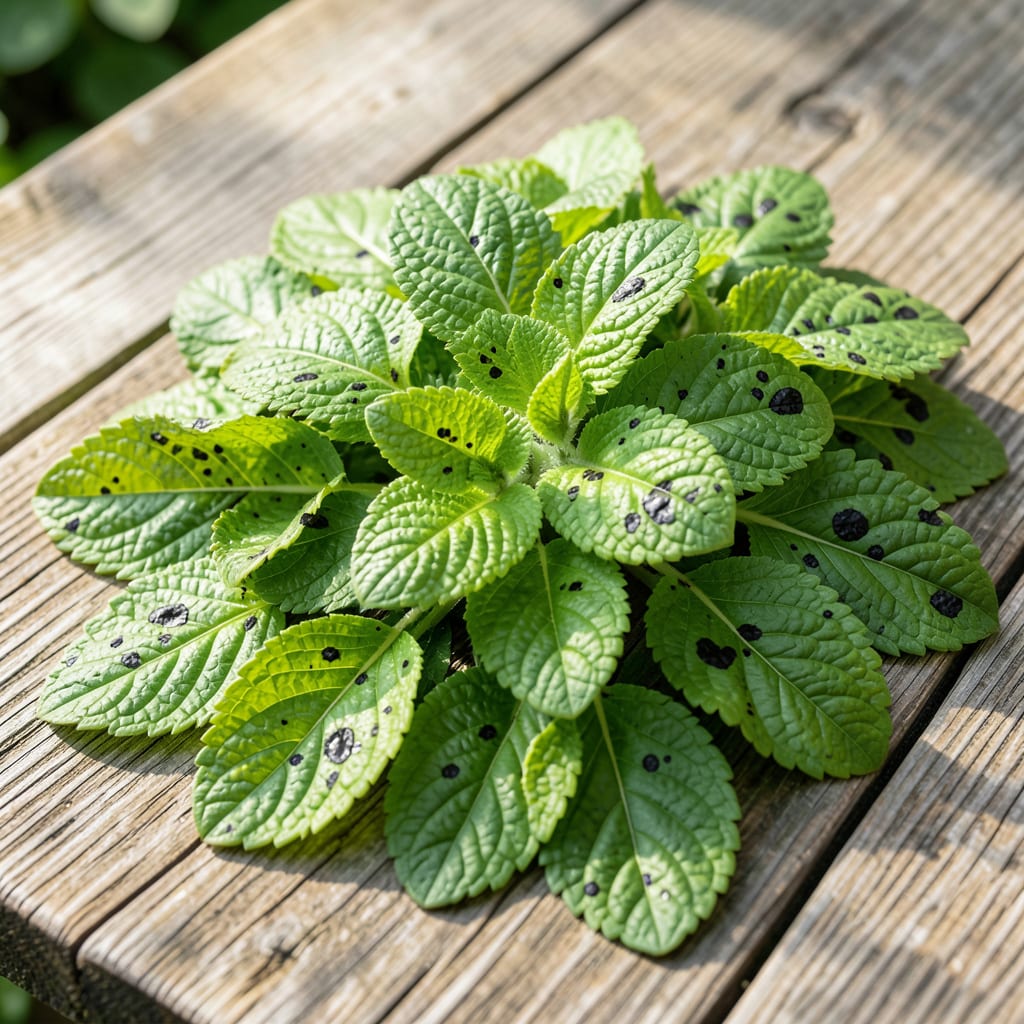
Those black spots on your lemon balm aren’t just ugly—they’re a cry for help. I’ve battled this exact issue in my herb garden, and the good news is it’s usually fixable with simple adjustments.
Most cases trace back to fungal infections or overwatering, though pests can play a role too. The key is catching it early before it spreads to healthy leaves and stunts growth.
With a few natural treatments—like removing affected leaves, improving air circulation, and adjusting your watering—you can turn this around in 1-2 weeks. The plant bounces back surprisingly fast once conditions improve.
No fancy equipment needed, just observation and consistent care. Here’s what to do first.
Black spots on lemon balm leaves often signal underlying issues that disrupt the plant’s health. Below are the most common causes, explained with actionable insights.
Fungi like Cercospora or Alternaria thrive in damp, poorly ventilated conditions. These pathogens produce dark, irregular spots as they colonize leaf tissue. Overhead watering or crowded plantings exacerbate the problem by prolonging leaf wetness.
Sap-sucking insects such as aphids or spider mites weaken lemon balm, leaving behind sticky honeydew that attracts sooty mold—a black, fungus-like growth. Check leaf undersides for pests or their residue.
A lack of essential nutrients, particularly magnesium or potassium, can cause necrotic (dead) black spots. Yellowing between leaf veins often accompanies these deficiencies.
Extreme heat, cold snaps, or sunburn can scorch leaves, creating dark, crisp patches. Lemon balm prefers partial shade; full sun in hot climates may lead to stress-related spotting.
Overuse of herbicides, fungicides, or even organic sprays (e.g., neem oil) can burn foliage, resulting in blackened areas. Always follow dilution guidelines and test sprays on a small area first.
Here’s how to tackle those unsightly black spots on lemon balm based on their cause, along with tips to keep your plant thriving.
If the spots are fuzzy or spreading, a fungal issue like Alternaria or leaf spot is likely. Remove affected leaves immediately to prevent spread. Treat with a copper-based fungicide or a DIY mix of 1 tsp baking soda + 1 quart water + a drop of dish soap. Spray weekly until the problem clears.
Prevention: Improve air circulation by spacing plants, water at the base (not overhead), and avoid wetting the leaves in the evening. 💡 Pro tip: Mulch with straw to reduce soil splashing onto leaves.
Pests like aphids or spider mites can introduce sooty mold, which appears as black spots. Blast them off with a strong stream of water, then apply neem oil or insecticidal soap every 5–7 days. For severe cases, introduce beneficial insects like ladybugs.
Prevention: Inspect leaves regularly (especially undersides) and keep the garden free of debris where pests hide. ✨ Bonus: Companion planting with marigolds or chives can deter pests naturally.
Black spots with yellow halos often signal root stress from too much moisture. Stop watering immediately and let the soil dry out. If the pot lacks drainage, repot into well-draining soil with added perlite. Trim any mushy, blackened roots.
Prevention: Water only when the top inch of soil is dry, and use pots with drainage holes. 🌡️ Check soil moisture with your finger before watering.
Dark spots paired with stunted growth may indicate a lack of potassium or calcium. Feed your lemon balm with a balanced, organic fertilizer (like fish emulsion) or a banana peel tea (rich in potassium). For calcium, add crushed eggshells to the soil.
Prevention: Test your soil every 1–2 years and amend as needed. Regularly refresh potted plants with fresh soil.
Not always. While fungi are common culprits, pests, nutrient deficiencies, or environmental stress can also cause similar symptoms. Check for other clues like sticky residue or yellowing patterns.
With proper care, you should see new growth free of spots within 1-2 weeks. Existing damaged leaves won’t recover, but removing them helps prevent spread. Consistency is key.
Yes! Overwatering leads to root rot, which can manifest as black spots on leaves, often with yellow halos. Let soil dry between waterings and ensure good drainage.
Yes, a 1 tsp baking soda + 1 quart water mix is safe and effective for mild fungal issues. Always test on a small area first and apply in the morning.
