
Beautiful Plants For Your Interior
Beautiful Plants For Your Interior
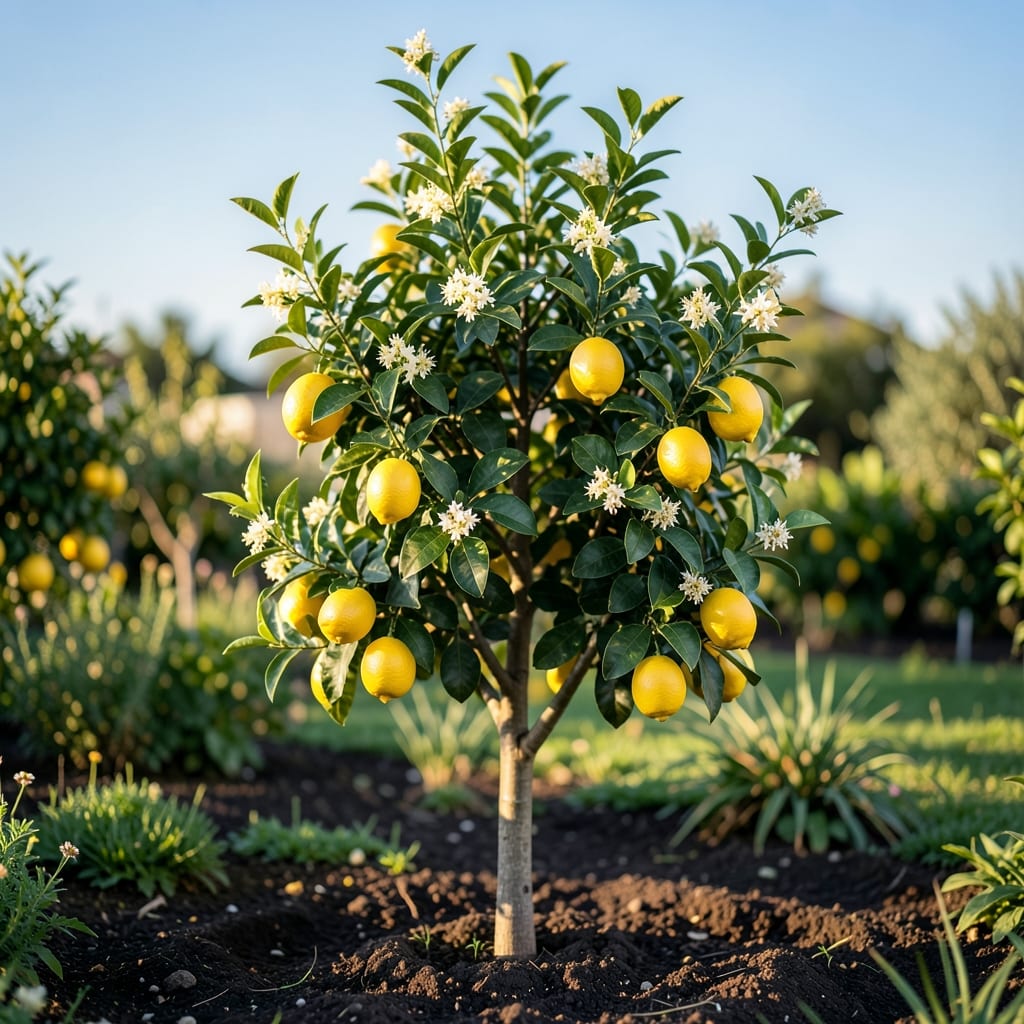
Lemon tree leaves are used for teas, aromatherapy, and natural remedies due to their citrusy scent and antiseptic properties. They also repel insects and flavor culinary dishes.
I love how versatile these leaves are in traditional medicine—many cultures use them to soothe digestion or as a mild antiseptic for minor wounds. 🌟 Their natural oils make them perfect for DIY cleaning solutions or as a fragrant addition to homemade potpourri. Plus, chefs often use them to infuse subtle citrus notes into desserts or herbal infusions.
💡 In This Article
Lemon tree leaves contain limonene and citral, compounds that give them natural antimicrobial power. These oils disrupt bacterial cell membranes, making the leaves effective against common pathogens like E. coli and Staphylococcus. Studies show their essential oil can inhibit up to 80% of bacterial growth in controlled environments. ✨
Traditional medicine uses them as a digestive aid because they stimulate bile production. In Ayurveda, 5-6 fresh leaves steeped in hot water for 10 minutes create a tea that relieves bloating and indigestion. The leaves’ mild diuretic effect also helps flush toxins from the body.
For respiratory health, the leaves’ volatile oils act as natural expectorants. Inhaling steam from boiling 10-12 leaves in 2 cups of water can break up mucus in the lungs. This method is particularly popular in Mediterranean regions for treating colds and sinus congestion. 💫
The leaves’ antiseptic properties come from their 0.5-1% essential oil content. When crushed and applied as a poultice, they can help clean minor cuts and prevent infection. However, always do a patch test first as some people may experience skin irritation from the concentrated oils.
In traditional Chinese medicine, lemon leaves are used to balance “damp heat” conditions in the body. Practitioners often combine them with ginger to create cooling teas that reduce inflammation. The leaves’ cooling properties are thought to help with fever reduction when used in proper formulations.
Steep 5-6 fresh leaves in hot water for 10 minutes to create a soothing digestive tea. The natural oils release a mild citrus flavor that aids digestion and reduces bloating.
Combine chopped leaves with white vinegar in a jar and let sit for 2 weeks. Strain, dilute with water, and use as an all-purpose cleaner with antibacterial properties.
Yes, but always do a patch test first. Crushed leaves can be applied as a poultice for minor cuts due to their 0.5-1% essential oil content, but some may experience irritation.
Yes! Crush 15-20 leaves and mix with 1 cup of water in a spray bottle. This natural repellent works well against mosquitoes and ants without harsh chemicals.