
Beautiful Plants For Your Interior
Beautiful Plants For Your Interior
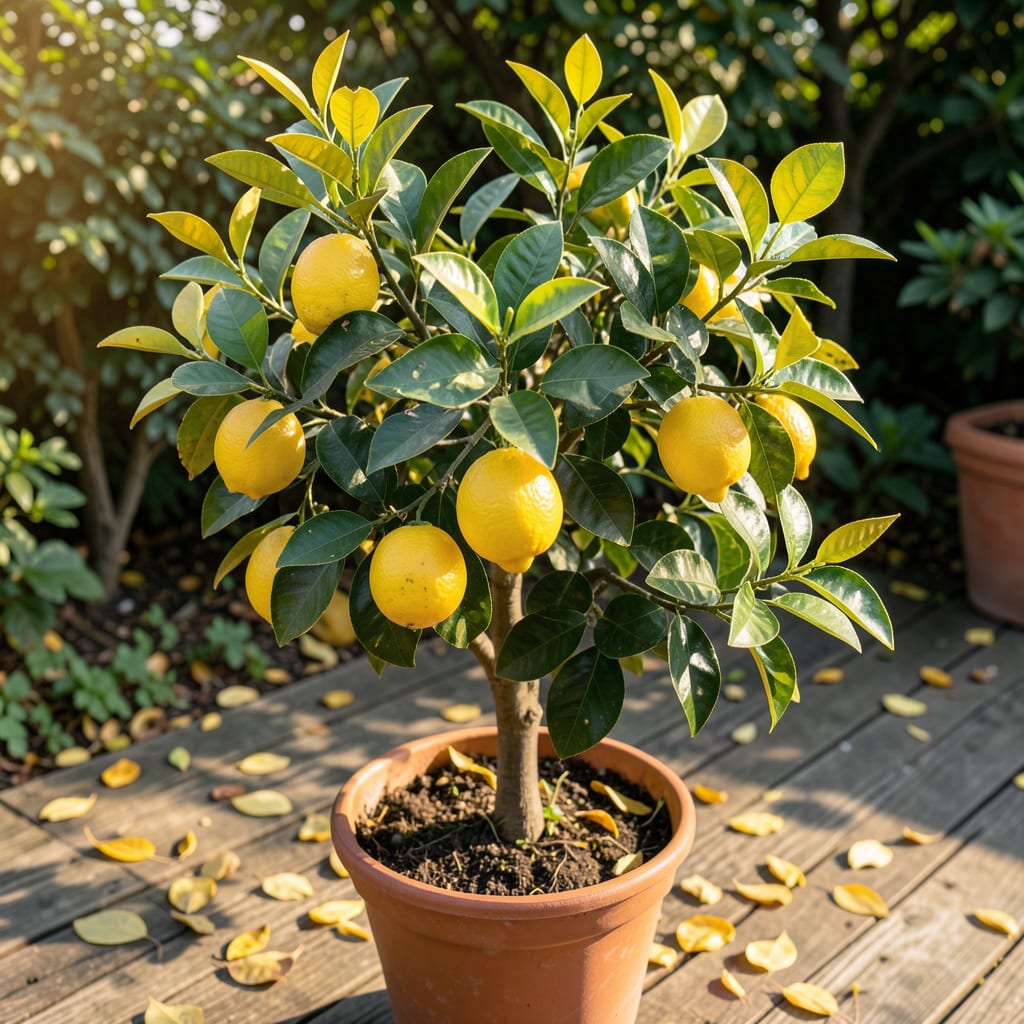
Yellow leaves on your lemon tree aren’t a death sentence. I’ve nursed dozens back to health by first checking the simplest culprits: water and food.
Most often, it’s either too much water drowning the roots or not enough nitrogen in the soil. The leaves tell the story—yellow from the bottom up usually means overwatering, while pale all over suggests hunger.
Fix the watering schedule first, then test your soil. A balanced fertilizer and proper drainage work wonders within 2-3 weeks. Your tree will thank you with glossy green growth.
Prevention is easier than cure. Monitor moisture, feed regularly, and watch for pests. Healthy trees resist problems better.
Yellowing leaves on your lemon tree can stem from several underlying issues, each with distinct triggers. Below, we break down the most common causes with actionable insights.
Lemon trees require a balanced diet of nitrogen, magnesium, and iron. A lack of nitrogen often causes uniform yellowing, starting with older leaves. Magnesium deficiency, however, leads to yellow patches between leaf veins, while iron deficiency turns young leaves pale yellow with green veins. Test your soil and amend with a citrus-specific fertilizer or Epsom salt (for magnesium).
Too much water suffocates roots, preventing nutrient uptake. This often results in yellowing leaves accompanied by wilting. Check if the soil stays soggy—lemon trees thrive in well-draining soil. Reduce watering frequency and ensure pots have drainage holes. Root rot (from fungal growth) may also cause yellowing; trim affected roots and repot in fresh, dry soil.
Older leaves naturally yellow and drop as part of the tree’s growth cycle. However, sudden stress—like extreme heat, cold drafts, or transplant shock—can trigger premature yellowing. Shield your tree from temperature swings and avoid repotting during active growth phases.
Sap-sucking pests like aphids, mites, or scale drain nutrients from leaves, causing yellow spots or mottling. Inspect the undersides of leaves for tiny bugs or sticky residue (honeydew). Treat with neem oil or insecticidal soap to restore health.
Here’s how to tackle the most common causes of yellowing leaves and bring your lemon tree back to vibrant health:
Fix: Test your soil with a home kit to identify missing nutrients. For nitrogen deficiency, use a balanced citrus fertilizer (like 10-10-10) or a nitrogen-rich organic option (e.g., blood meal). For iron or magnesium shortages, apply chelated iron or Epsom salt (1 tablespoon per gallon of water) as a foliar spray or soil drench. Yellowing between leaf veins? Try a zinc supplement.
💡 Prevention: Fertilize every 4-6 weeks during growing season and rotate nutrient sources to avoid imbalances.
Fix: Let the top 1-2 inches of soil dry out before watering again. If the tree is in a pot, ensure it has drainage holes. For soggy ground, amend the soil with compost or sand to improve drainage. Trim any black, mushy roots (root rot) and repot in fresh, well-draining mix.
💡 Prevention: Use a moisture meter to monitor soil and water only when needed. Mulch around the base to retain moisture without waterlogging.
Fix: Inspect leaves for spider mites, aphids, or scale (sticky residue or webbing are clues). Blast pests off with a strong water spray, then apply neem oil or insecticidal soap weekly until they’re gone. For stubborn scale, use horticultural oil.
💡 Prevention: Spray leaves with water regularly to deter pests, and introduce ladybugs or lacewings as natural predators.
Fix: Move potted trees to a sunnier spot (6-8 hours of light daily) or provide shade if leaves are scorched. Protect from cold drafts or temperatures below 50°F (10°C). If transplant shock is the issue, keep soil consistently moist and avoid fertilizing for 2-3 weeks.
💡 Prevention: Acclimate trees gradually to new conditions and use frost cloth in winter if needed.
Fix: If only older leaves yellow uniformly (not spots or patterns), it’s likely normal shedding. Simply prune the affected leaves to redirect energy to new growth.
💡 Prevention: Regularly remove dead or yellowing foliage to keep the tree healthy.
Water when the top 1-2 inches of soil feel dry. In hot weather, this might mean watering 2-3 times weekly, but always check soil moisture first. Overwatering is a common cause of yellowing leaves.
Use a citrus-specific fertilizer with balanced nitrogen, phosphorus, and potassium. Apply every 4-6 weeks during growing season. Organic options like blood meal or compost also work well.
Yes! Sap-sucking pests like aphids or mites drain nutrients, causing yellow spots. Inspect leaf undersides for bugs or sticky residue. Treat with neem oil or insecticidal soap weekly until pests are gone.
Remove only completely yellow leaves to redirect energy. If leaves are partially green, they may recover. Always use clean pruners to avoid spreading disease.
