
Beautiful Plants For Your Interior
Beautiful Plants For Your Interior
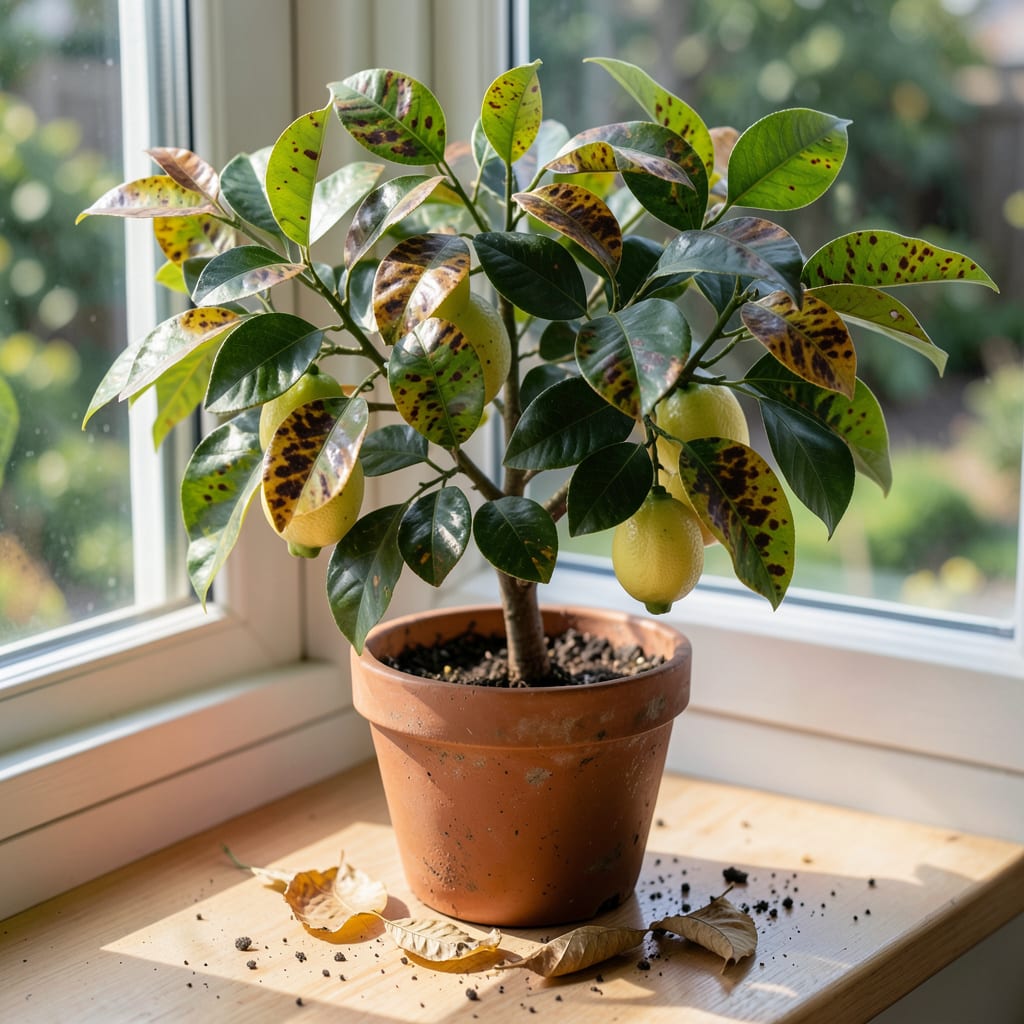
Brown spots on your lemon tree aren’t just ugly—they’re a warning sign. I’ve seen these blemishes turn a thriving tree into a sickly one in 2 weeks if ignored. The good news? Most causes are fixable with the right approach.
Fungal infections often start as small, dark spots that spread fast. Sunburn shows up as crispy, bleached patches on leaves facing west. Nutrient shortages create yellow halos around the brown, usually between veins. Each problem has a distinct look.
Solutions range from copper fungicide sprays to adjusting watering habits or adding shade cloth. The key is proper diagnosis first—guessing can waste precious time and make things worse.
Prevention is simpler than cure. Good airflow, consistent watering, and seasonal feeding keep trees resilient. A healthy lemon tree resists most of these issues naturally.
Brown spots on lemon trees usually signal an underlying issue that needs attention. Here are the most common causes, explained in simple terms:
Fungi like Phyllosticta citricarpa (citrus black spot) or Alternaria thrive in warm, humid conditions. They produce spores that land on leaves, causing circular, dark brown lesions with yellow halos. Overhead watering and poor air circulation worsen the spread.
Intense sunlight, especially in hot climates, can scorch lemon tree leaves, leading to dry, brown patches. This often happens when trees lack adequate shade or are suddenly exposed to full sun after being in a shaded area.
Both overwatering and underwatering can cause brown spots. Overwatering leads to root rot, reducing the tree’s ability to absorb nutrients, while underwatering causes leaf edges to dry out and turn brown due to dehydration.
Pests like spider mites or scale insects suck sap from leaves, leaving behind small brown or yellow spots. Their feeding weakens the tree and can introduce secondary infections.
A lack of essential nutrients, particularly magnesium or potassium, can manifest as brown spots or blotches on older leaves. Poor soil quality or improper fertilization often triggers these deficiencies.
Tackling brown spots on your lemon tree starts with identifying the root cause. Below are practical fixes for common issues, along with tips to keep your tree thriving.
If the spots are circular, dark, and spreading, a fungicide is your best defense. Use a copper-based or neem oil spray, applying it every 7–10 days until the spots fade. Prevention tip: 💡 Improve airflow by pruning dense branches, and avoid overhead watering to reduce moisture on leaves.
Light brown, papery spots often signal sunburn. Shield young trees with shade cloth (30–40% density) during peak afternoon hours. For established trees, ensure they’re properly hydrated—deep watering 2–3 times a week helps. Prevention tip: ✨ Gradually acclimate trees to full sun if they’ve been in shade.
Spots with tiny holes or webbing? Check for pests like mites or scale. Spray with insecticidal soap or horticultural oil, focusing on the undersides of leaves. Prevention tip: 🎯 Inspect leaves weekly and introduce beneficial insects like ladybugs.
Yellowing leaves with brown edges may mean root rot. Reduce watering and ensure the soil drains well—amend with sand or perlite if needed. Prevention tip: 🌡️ Stick your finger 2 inches into the soil; water only if it’s dry.
For all cases, remove heavily damaged leaves to prevent further spread. Consistency in care is key to a healthy, spot-free lemon tree!
Fungal spots are usually dark, circular, and spread quickly with yellow halos. Sunburn appears as dry, crispy patches on leaves facing west. Check the pattern and location to diagnose.
Yes! Overwatering leads to root rot, which prevents nutrient uptake. This causes yellowing leaves with brown edges. Always check soil moisture 2 inches deep before watering.
Apply a copper-based fungicide or neem oil every 7-10 days until spots fade. Prune affected leaves and improve airflow to prevent recurrence.
Fungal spores can spread to nearby citrus trees. Isolate affected plants and avoid overhead watering. Pests like mites can also move between plants, so treat quickly.
