
Beautiful Plants For Your Interior
Beautiful Plants For Your Interior
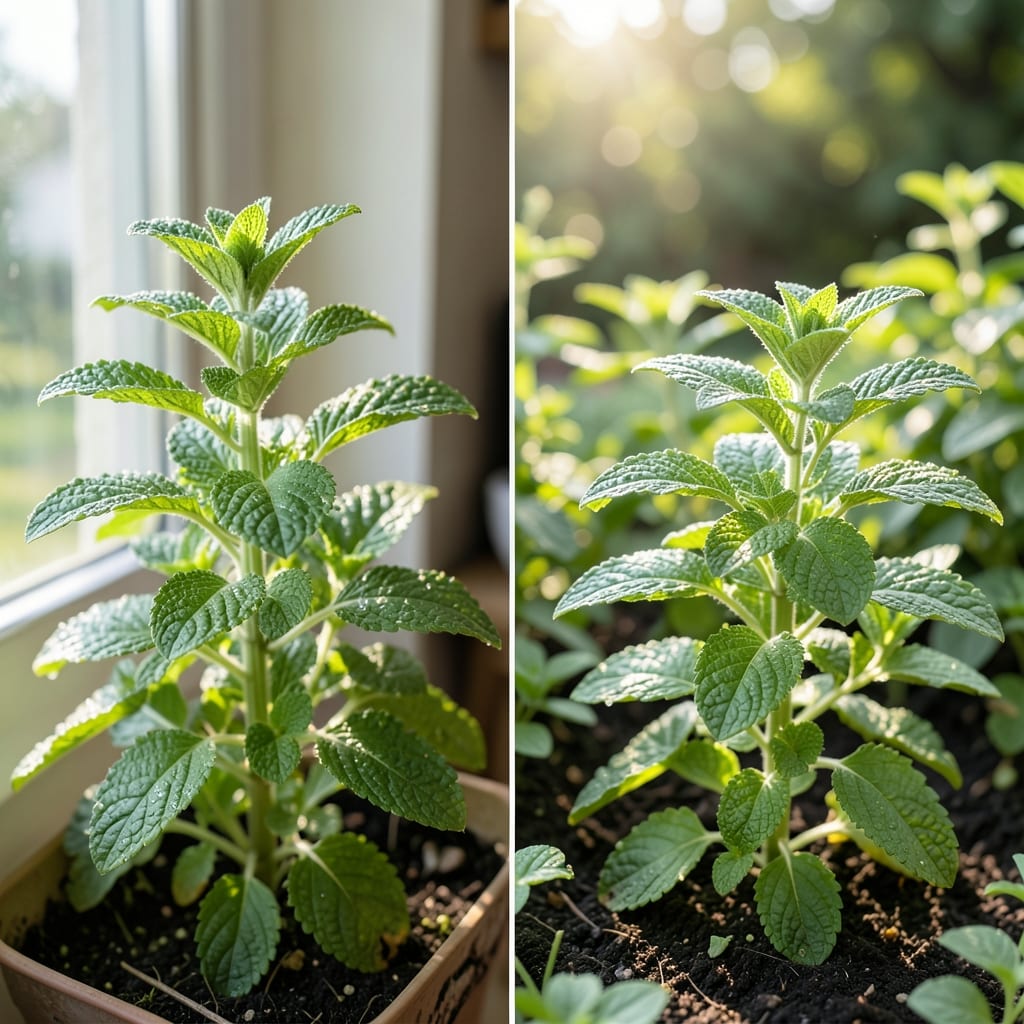
I first planted lemon mint on a whim—its bright citrus scent sold me instantly. This hardy herb thrives with minimal fuss, spreading happily in both garden beds and containers.
Give it well-draining soil, morning sun, and regular water, and you’ll harvest fragrant leaves all season. It’s nearly impossible to kill and rewards even the most forgetful gardeners.
📚 In This Guide
Here’s my reliable method for cultivating this fragrant herb with minimal fuss and maximum reward.
Choose a location with partial shade to full sun, as lemon mint thrives in 4-6 hours of direct sunlight daily. The soil should be well-draining with a slightly acidic to neutral pH (6.0-7.0). I always amend the site with compost to improve fertility and drainage.
Loosen the soil to a depth of 12 inches and remove any weeds or debris. This ensures the roots can spread easily and access nutrients without competition. A light raking afterward creates a smooth surface for planting.
Dig a hole slightly larger than the root ball of your lemon mint plant. Place the plant in the hole so the top of the root ball sits ½ inch above the soil line—this prevents settling and potential waterlogging. Gently backfill with soil and press lightly to remove air pockets.
Space multiple plants 18-24 inches apart to allow for air circulation and future growth. Water thoroughly after planting to help the soil settle around the roots. You’ll notice the plant wilting slightly at first, but it should recover within a day or two.
Keep the soil consistently moist but not soggy, especially during the first few weeks after planting. Lemon mint prefers 1 inch of water per week, either from rainfall or supplemental watering. I check the soil daily by inserting my finger 1 inch deep—if it feels dry, it’s time to water.
Apply a 2-inch layer of mulch around the base of the plant to retain moisture and suppress weeds. Use an organic mulch like straw or shredded bark, keeping it 1 inch away from the stem to prevent rot. Mulching also helps regulate soil temperature, which lemon mint appreciates.
Once the plant reaches 6 inches in height, begin pruning the top 1-2 inches to encourage bushier growth. Use clean, sharp shears to make cuts just above a leaf node. This stimulates new growth and prevents the plant from becoming leggy.
Harvest leaves as needed by snipping individual stems or leaves. Regular harvesting promotes continuous production and keeps the plant compact. Always remove any flowers that appear, as they can make the leaves taste bitter.
Feed lemon mint with a balanced, water-soluble fertilizer every 4-6 weeks during the growing season. I dilute the fertilizer to half the recommended strength to avoid overfeeding, which can reduce the plant’s fragrance.
Alternatively, top-dress the soil with compost or well-rotted manure every 2-3 months. This provides a slow-release source of nutrients. Avoid high-nitrogen fertilizers, as they can lead to excessive leafy growth at the expense of flavor and aroma.
These insights will help you cultivate thriving plants with minimal effort.
Sunlight Strategy: In Step 1, the 4-6 hours of direct sunlight requirement is non-negotiable for optimal growth. I’ve found that morning sun with afternoon shade works beautifully in warmer climates, while full sun is ideal in cooler regions. Monitor your plants—if leaves start to scorch, provide more shade.
Planting Precision: When following Step 2, that ½ inch above the soil line detail is critical. Planting too deep can suffocate the roots and lead to rot. I use a ruler to ensure accuracy, especially when planting multiple specimens 18-24 inches apart to prevent overcrowding as they mature.
Watering Wisdom: The 1 inch of water per week guideline in Step 3 is a baseline—adjust based on your soil type and climate. Sandy soil may need more frequent watering, while clay-rich soil retains moisture longer. Always check that top 1 inch of soil with your finger; if it’s dry, water deeply to encourage strong root development.
Pruning for Productivity: Step 4’s instruction to begin pruning at 6 inches in height is key to a bushy, productive plant. Don’t hesitate to trim more aggressively if your plant grows quickly; removing the top 1-2 inches regularly keeps it compact and encourages lateral growth, which means more leaves to harvest.
Yes! Lemon mint thrives indoors with bright, indirect light and well-draining soil. Keep the soil moist but not soggy, and rotate the pot occasionally for even growth. A sunny windowsill works perfectly!
Water when the top inch of soil feels dry—typically every 2-3 days in warm weather. Overwatering can lead to root rot, so ensure good drainage. In cooler months, reduce frequency to once a week.
If unavailable, try a mix of regular mint + lemon zest or balm. For cooking, basil or spearmint with a splash of lemon juice can mimic the citrusy-mint flavor.
Yellowing leaves often signal overwatering, poor drainage, or nutrient deficiencies. Check soil moisture, ensure pots have drainage holes, and consider a balanced fertilizer if growth seems stunted.
Harvest in the morning after dew dries for peak flavor. Snip stems just above a leaf pair to encourage bushier growth. Avoid harvesting more than a third of the plant at once.