
Beautiful Plants For Your Interior
Beautiful Plants For Your Interior
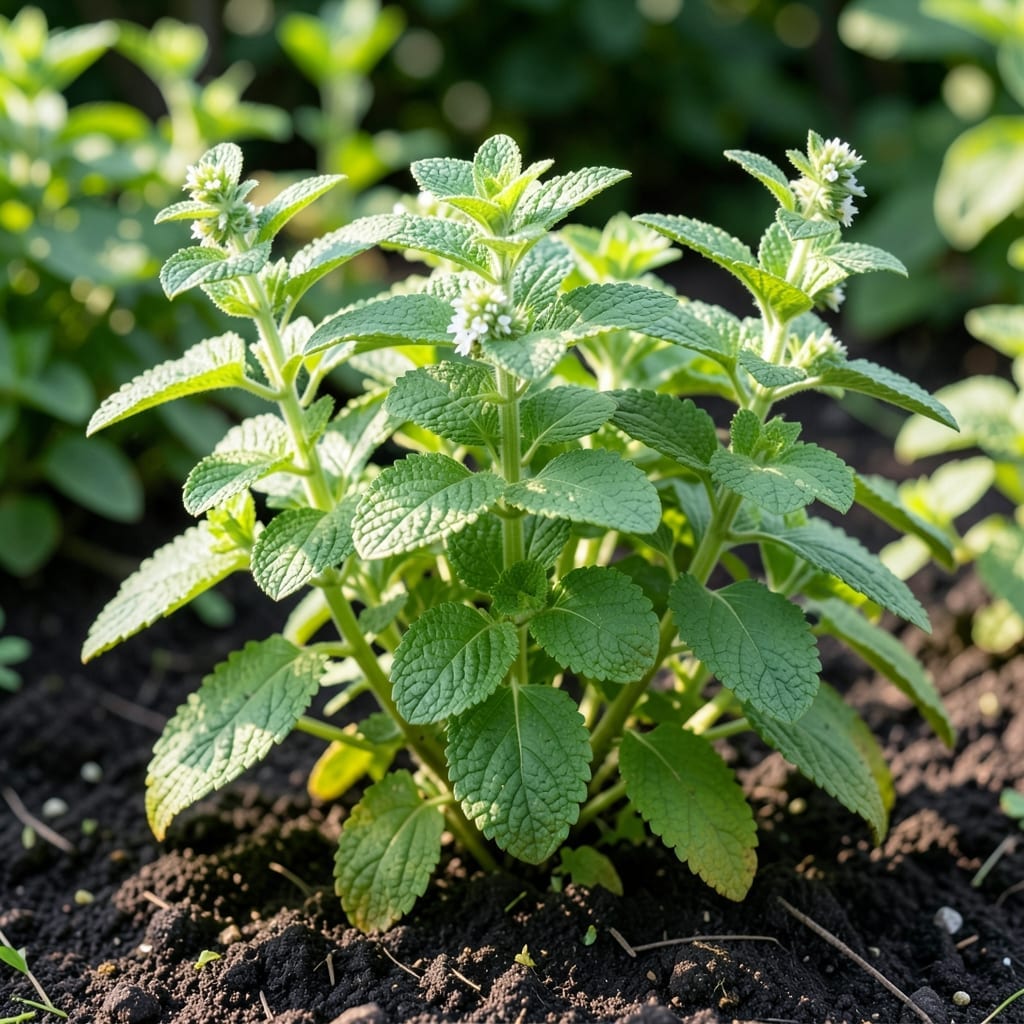
Curious about how tall your 🌿 Lemon Balm will grow? This fragrant herb has a surprising range that can impact your entire garden layout.
I’ve seen firsthand how its height can vary from 12 inches to a towering 3 feet, depending on growing conditions. That’s quite a spread for planning purposes!
Understanding these dimensions helps you space plants properly and choose the right companions. Whether you’re working with a small balcony garden or a sprawling backyard, this knowledge is the key to success.
Discover how to manage Lemon Balm’s growth to fit your space perfectly. Let’s dig into what affects its height and how you can control it.


If you’re planning to grow lemon balm, knowing its mature height helps with garden layout. This fragrant herb typically reaches 2 to 3 feet tall at full maturity, though some varieties stay closer to 12 inches in ideal conditions.
In my experience, lemon balm grows quickly, often hitting 1 foot in its first season. By year two, it can double in height, especially with proper sunlight and well-draining soil. Its bushy nature makes it perfect for borders or containers.
| cell has-text-align-center”>Mature Height | cell has-text-align-center”>First-Year Growth | cell has-text-align-center”>Growth Rate | cell has-text-align-center”>Ideal Spacing | cell has-text-align-center”>Sunlight Needs | 4-6 hours of sun |
|---|
Factors like soil quality and watering habits can influence height. Rich, loose soil encourages taller growth, while dry conditions may stunt the plant. I’ve seen lemon balm thrive in both full sun and partial shade, but it leans toward the light.
Pruning plays a big role in height control. Regular trimming keeps the plant bushier and shorter, while leaving it unpruned allows it to reach its maximum height. I recommend pruning back by one-third in early summer for a fuller shape.
Container growing is another way to manage height. In pots, lemon balm tends to stay smaller, often maxing out at 18 inches. This makes it great for patios or small gardens where space is limited.
For best results, plant lemon balm in USDA zones 4-9. In colder areas, it may die back in winter but regrows from the roots in spring. Its hardy nature makes it a low-maintenance choice for many gardeners.
If you want to encourage taller growth, fertilize lightly in spring with a balanced 5-10-5 formula. Over-fertilizing can lead to leggy stems, so I stick to feeding every 4-6 weeks during the growing season.
Watch for signs that your plant is ready to harvest, like bright green leaves and a strong lemon scent. This usually happens when the plant reaches about 12 inches tall, which can be as early as 60 days after planting.
Finally, remember that lemon balm spreads easily via underground runners. To prevent it from taking over, I plant it in containers or use root barriers in garden beds. This also helps manage its height and spread.
🌿Managing lemon balm height is simpler than you think. I’ve found that regular pruning keeps it at a manageable 12-18 inches, perfect for small gardens or containers.
If left unpruned, this vigorous herb can reach 2-3 feet tall, potentially crowding out neighboring plants. Pinching back the tips encourages bushier growth and controls vertical spread.
For container growing, choose pots that are 12-16 inches deep. This restricts the root system, which naturally limits the plant’s overall height to about 18-24 inches.
I recommend spring and early summer as the best times for pruning. This gives the plant time to recover and still produce plenty of fragrant leaves for your garden.
Companion planting can also help manage height. Pair lemon balm with taller plants like rosemary or lavender to create natural height variations in your garden.
Remember, consistent care is key. With these simple techniques, you can enjoy this wonderful herb without it taking over your carefully planned garden space.
🌿