
Beautiful Plants For Your Interior
Beautiful Plants For Your Interior
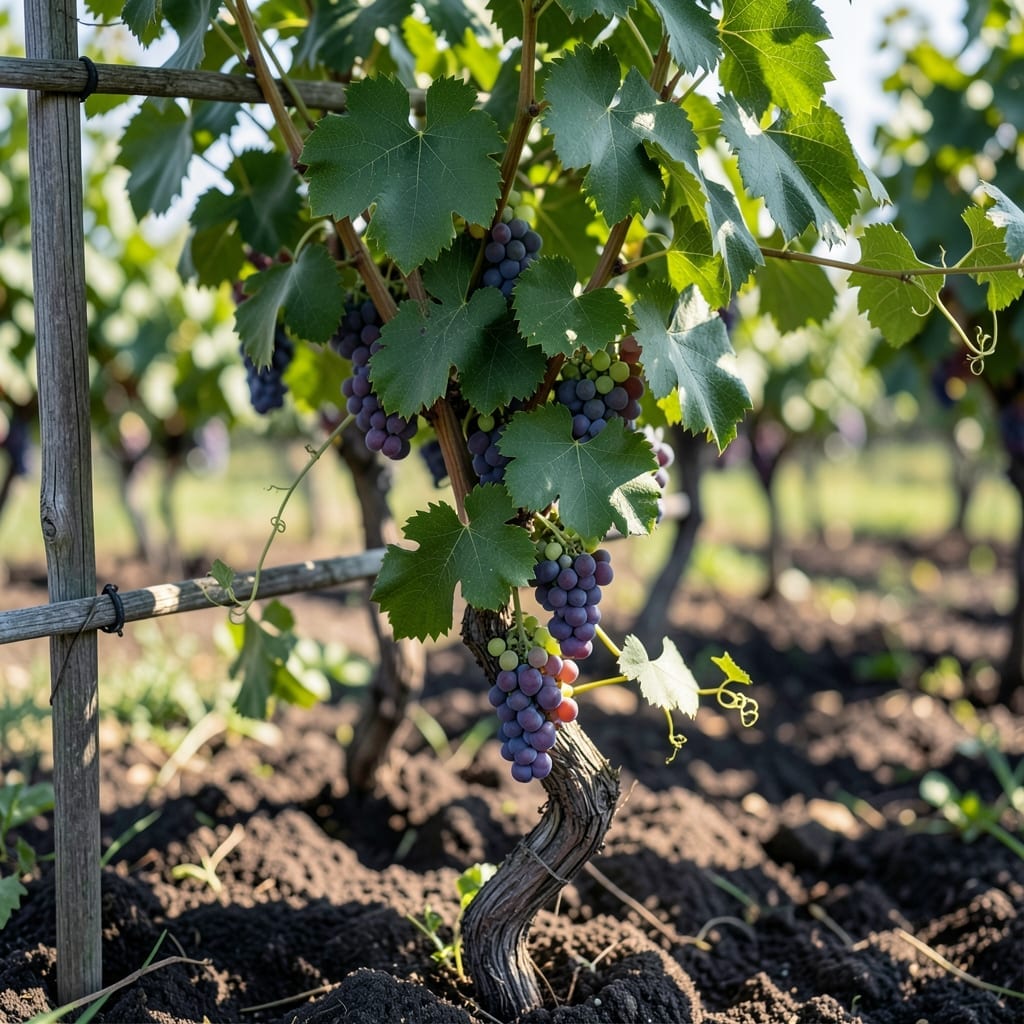
Those lush green leaves tell you everything about your vine’s health. I learned the hard way that yellowing edges or brown spots aren’t just cosmetic—they’re your plant’s way of asking for help.
Healthy foliage means stronger growth and better fruit production. With a few simple checks and adjustments, you can keep your grapevines thriving through every season without expensive treatments.
📚 In This Guide
Here’s my advanced method to keep your vines thriving with vibrant foliage and strong growth.
Healthy grape leaves should display a deep emerald green color with a slightly leathery texture. I inspect the upper and lower surfaces each morning, looking for any yellowing between veins, which often signals magnesium deficiency. The leaves should feel firm but not brittle when gently pinched.
Watch for reddish spots or purple tints, especially on younger leaves—this typically indicates phosphorus deficiency. I’ve found that early detection of these visual cues prevents nutrient imbalances from spreading through the entire vine. Check both sun-exposed and shaded leaves, as symptoms often appear differently based on light exposure.
The edges of grape leaves tell an important story. Healthy margins appear smooth and uniformly colored. When I notice brown, crispy edges, it’s usually a sign of potassium deficiency or excessive heat stress. Curling leaf margins often indicate water stress or herbicide drift from nearby applications.
Inspect the main veins as well. They should be slightly raised and maintain the same green color as the leaf surface. Yellow veins with green tissue between them suggest iron deficiency. I run my finger along the veins to feel for any unusual swelling or discoloration that might indicate vascular issues.
Grape leaves often show the first signs of pest infestation. I look for tiny yellow stippling on the upper surface, which spider mites cause, or the silver streaks that indicate thrips damage. The undersides might reveal small green caterpillars or their black frass, signaling grape leafroller presence.
Disease symptoms require close inspection too. Powdery mildew appears as white, powdery spots on leaf surfaces, while downy mildew creates yellow patches with white fuzz underneath. I’ve learned that catching these early allows for targeted treatment before defoliation occurs. Always check leaves after rain, as wet conditions accelerate disease development.
Proper light exposure is crucial for healthy leaf development. I verify that most leaves receive 6-8 hours of direct sunlight daily. Leaves in full sun should feel warm but not hot to the touch. Those in deep shade often appear thinner and lighter green, indicating they’re not photosynthesizing efficiently.
Observe how leaves position themselves throughout the day. Healthy leaves angle toward the sun in the morning and may slightly wilt during peak afternoon heat, then recover by evening. If leaves remain droopy all day, the vine likely needs water. I also watch for leaves that remain stiff and upright during hot periods—this can indicate heat stress.
Small details in leaf inspection make the biggest difference in vine health.
Color Clues: In Step 1, that deep emerald green is your baseline—any deviation, like yellowing between veins, signals magnesium deficiency. I’ve learned that checking both surfaces daily catches issues before they spread. The slight leathery texture is normal, but brittleness means you’re already behind on watering.
Margin Intelligence: For Step 2, brown crispy edges aren’t just unsightly; they’re your vine’s way of saying it needs potassium or is heat-stressed. Curling margins? That’s water stress talking. Run your finger along those veins weekly—they should feel slightly raised, not sunken or discolored.
Pest Patterns: Step 3’s yellow stippling is spider mites’ calling card, while silver streaks scream thrips. The undersides often reveal caterpillars before you see leaf damage. Always check after rain—wet leaves are disease magnets, and early treatment prevents defoliation.
Sunlight Strategy: That 6-8 hours of direct sunlight in Step 4 isn’t just ideal—it’s essential. If leaves in full sun feel hot, they’re getting too much. Shaded leaves that stay thin and light green? They’re starving for light. Healthy leaves will angle toward the sun and recover from afternoon wilt by evening.
Yellowing leaves often signal nutrient deficiencies (like nitrogen or magnesium) or overwatering. Check soil moisture and fertilize if needed to restore vine health.
Prune grapevines in late winter or early spring (dormant season) to remove dead leaves and shape the plant. Avoid heavy pruning during active growth.
Yes! Grape leaves are edible and commonly used in Mediterranean dishes like dolmas. Ensure they’re pesticide-free and blanched before use.
Brown spots may indicate fungal diseases (e.g., downy mildew) or pest damage. Treat with fungicides or neem oil, and improve airflow around vines.
Grape leaves (and grapes themselves) can be toxic to dogs and cats, causing kidney damage. Keep pets away from vineyards or fallen leaves.