
Beautiful Plants For Your Interior
Beautiful Plants For Your Interior
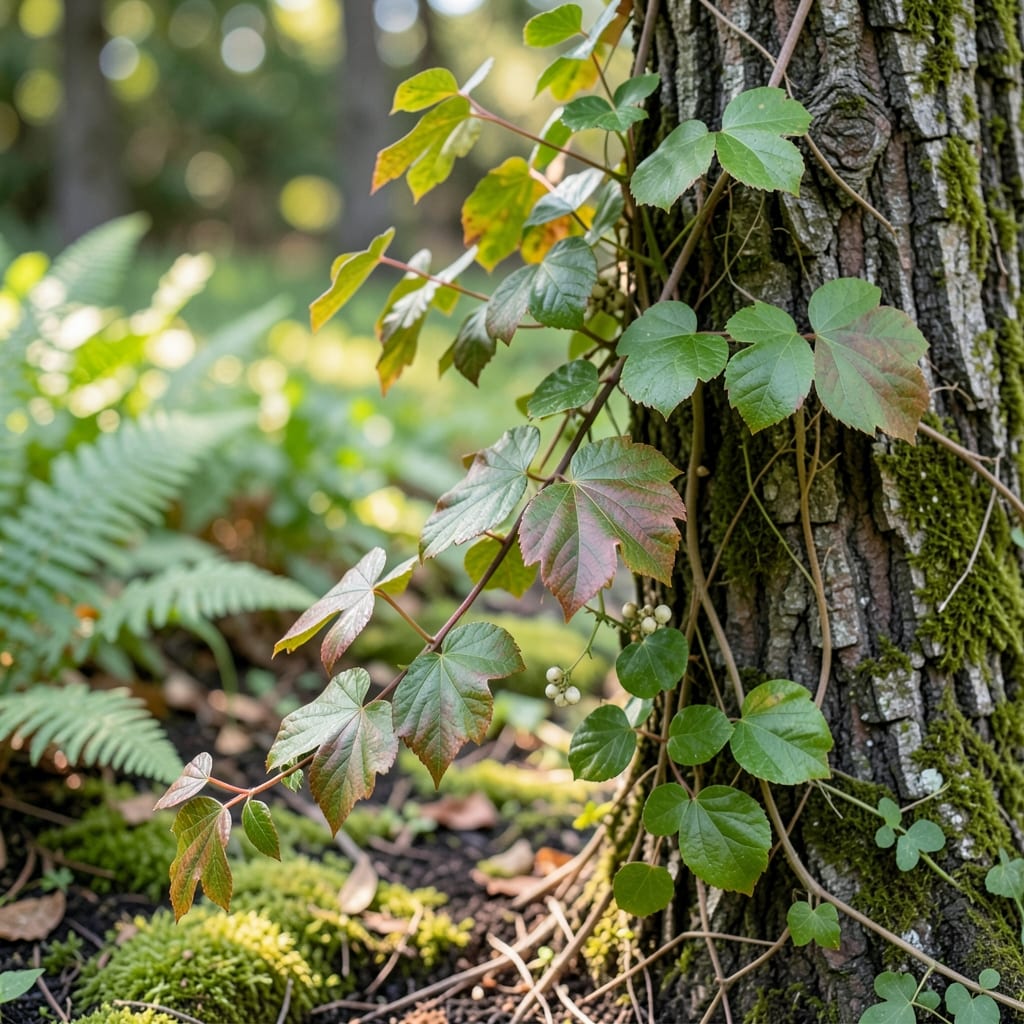
This phrase warns about poison ivy, which typically has three leaflets per stem. Touching it can cause an itchy, blistering rash due to urushiol oil, so avoiding it is crucial for safety.
I use this rhyme as my go-to reminder when hiking or gardening. The urushiol oil in poison ivy triggers allergic reactions in most people, with symptoms ranging from mild irritation to severe swelling. Recognizing the plant’s signature three-leaf cluster helps prevent painful encounters, especially in wooded areas or along fence lines. 🌟
💡 In This Article
The classic three-leaflet pattern is the first clue, but poison ivy’s appearance varies. Each leaflet is 2-6 inches long with pointed tips and smooth or slightly toothed edges. The middle leaflet often has a longer stem than the side ones, creating an asymmetrical look that’s easy to spot once you know what to look for.
🔥
Color changes with the seasons. In spring, new leaves emerge with a reddish tint before turning bright green in summer. By autumn, they transform into vibrant yellows, oranges, or reds. The stems can be hairy or smooth, and the plant grows as a trailing vine or upright shrub, sometimes reaching 4 feet tall.
This adaptability is why it thrives in forests, fields, and even urban areas. ✨
What many overlook are the small white berries that appear in fall and winter. These 1/4-inch fruits are a key identifier when leaves are absent. The plant also grows in clusters, often near fences, trees, or disturbed soil. Unlike harmless lookalikes like boxelder, poison ivy never has thorns or serrated edges on all leaflets. 💫
For absolute certainty, remember that poison ivy’s leaflets always come in groups of three, and the vines can develop a hairy, rope-like appearance as they age. When in doubt, observe from a distance—urushiol oil can linger on tools or pets that brush against the plant. 🌟
This oil remains active for years, even on dead plants. It bonds to skin within 10-15 minutes of contact, making immediate washing crucial. The plant’s ability to blend into its surroundings is why 85% of people exposed will develop a rash. Learning these details turns the simple rhyme into a powerful protection tool. ⚡
The plant contains urushiol oil, which triggers an allergic reaction in most people. This oil binds to skin quickly, causing itching, redness, and blisters within 12-48 hours.
Yes, but poison ivy has smooth or slightly toothed edges and a longer middle stem. Boxelder has more jagged edges, while raspberry plants have thorns. Always use the full rhyme to stay safe.
Mild cases typically clear in 1-2 weeks, while severe rashes may take 3 weeks or longer. Avoid scratching to prevent infection and speed up healing.
Yes, if your pet brushed against poison ivy. Urushiol oil can linger on fur for months. Wash your pet with soap and water while wearing gloves.