
Beautiful Plants For Your Interior
Beautiful Plants For Your Interior
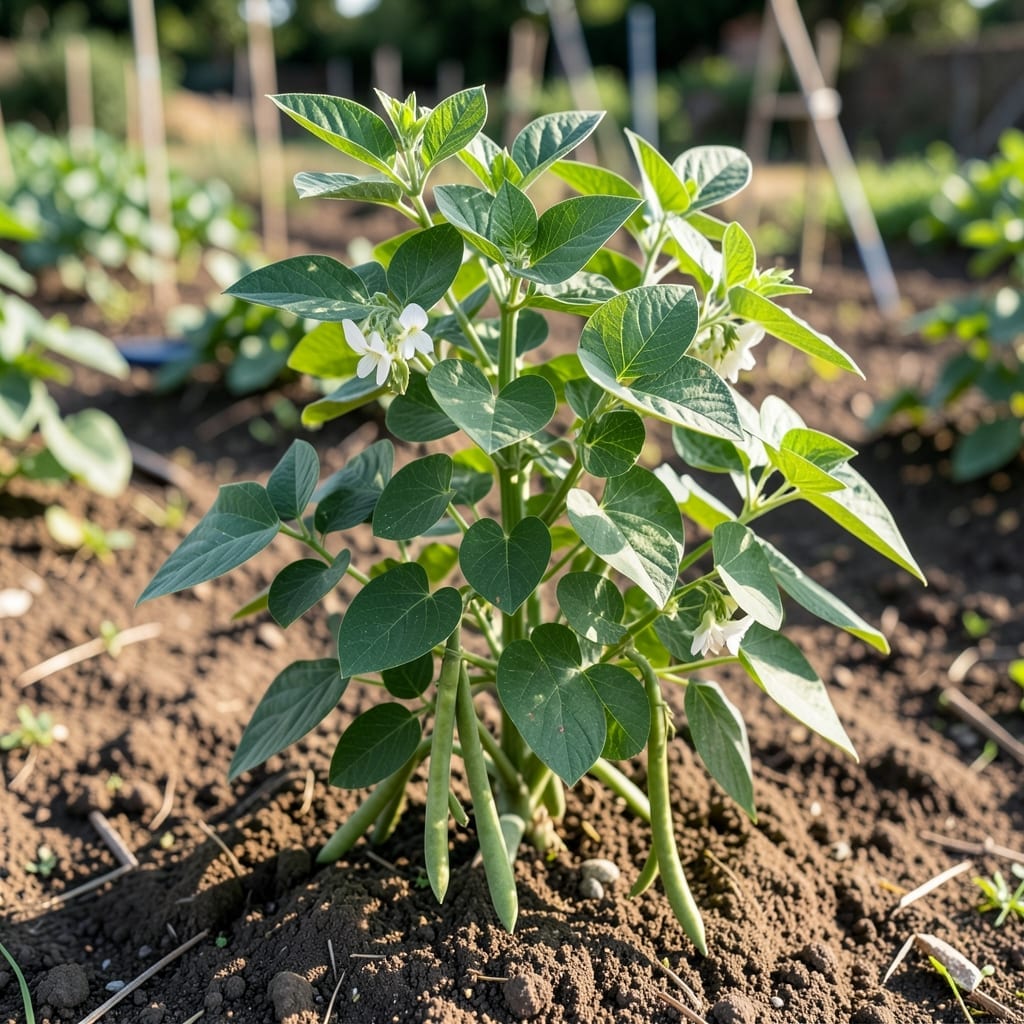
Healthy bean crops start with strong leaves that power the whole plant. 🌱 I’ve learned that yellowing or spotted leaves often signal trouble before it spreads to the pods.
With the right organic care, your beans will grow vibrant and productive all season. The key is catching issues early and keeping the soil and foliage in top shape.
📚 In This Guide
These simple, organic practices keep your plants thriving and free from common issues all season long.
Select bean varieties labeled disease-resistant and leafy greens known for vigor in your region. I always check seed catalogs for traits like powdery mildew resistance or rust tolerance—it’s your first line of defense. Plant in full sun for at least 6-8 hours daily to ensure strong growth.
Space plants properly to allow airflow: beans need 4-6 inches apart, while leafy greens like kale or lettuce thrive with 8-12 inches between them. Crowding invites humidity and disease, so resist the urge to squeeze in “just one more.”
Water at the base of plants using a soaker hose or drip irrigation, never from above. Wet leaves, especially in the evening, create the perfect conditions for fungal diseases. I water in the early morning so foliage dries quickly in the sun.
Keep soil consistently moist but not soggy—1 inch of water per week is ideal for most beans and greens. Stick your finger 1 inch into the soil; if it feels dry, it’s time to water. Mulch with 2-3 inches of straw to retain moisture and prevent soil splash onto leaves.
Prune lower leaves on bean plants once they reach 12-18 inches tall to improve airflow and reduce humidity around the base. For leafy crops, thin seedlings early to prevent overcrowding—you’ll sacrifice a few plants now for stronger, healthier ones later.
If you notice yellowing or spotting on leaves, remove affected foliage immediately with clean shears. Real talk: it’s tempting to leave them, but one infected leaf can spread disease to the entire plant in days. Dispose of diseased material in the trash, not the compost.
Mix 1 tablespoon of baking soda, 1 teaspoon of mild soap, and 1 gallon of water for a simple fungal spray. Apply to leaves every 7-10 days or after rain, focusing on the undersides where spores often hide.
For pest issues like aphids, spray plants with a neem oil solution (follow package instructions) in the evening to avoid harming beneficial insects. I’ve found this keeps my garden thriving without harsh chemicals.
Always test sprays on a small area first. Some plants, especially delicate greens, can react poorly to even organic treatments.
The small details make a huge difference in keeping your garden healthy all season.
Selection Tip: Choosing disease-resistant varieties is your foundation—look for labels like powdery mildew resistance or rust tolerance in seed catalogs. Those 6-8 hours of full sun daily aren’t just a suggestion; they’re critical for strong growth. Confession: I skipped this step my first year and spent the summer battling preventable issues.
Watering Wisdom: The early morning timing for watering isn’t just tradition—it lets foliage dry quickly in the sun, preventing fungal issues. Stick your finger 1 inch into the soil to check moisture; if it’s dry, it’s time to water. That 1 inch of water per week guideline is spot-on for most beans and greens, but always adjust based on your soil’s feel.
Airflow Secret: When bean plants hit 12-18 inches tall, prune those lower leaves. It’s not just about aesthetics—better airflow means less humidity and fewer problems. For leafy crops, thin seedlings early. I learned this the hard way after losing half a row to overcrowding.
Spray Strategy: For the fungal spray, that 7-10 day application window is key—don’t wait until you see problems. Focus on leaf undersides where spores hide, and always test on a small area first. Evening is the best time for neem oil sprays to protect those beneficial insects.
Apply a leaves-and-beans mulch or spray every 2-3 weeks during the growing season for optimal prevention. This helps suppress pathogens naturally while enriching the soil. Adjust frequency based on weather—more often in wet conditions.
Yes! Coffee grounds are a great alternative. They add nitrogen and deter pests like slugs. Mix them into compost or sprinkle lightly around plants. Avoid overuse, as they can acidify soil.
Early morning or late afternoon is ideal to prevent leaf burn from sun exposure. Treat at the first sign of disease or as a preventive measure before the rainy season to maximize effectiveness.
Check for proper application—ensure even coverage and correct concentration. If issues persist, test soil health or consider combining with other organic remedies like neem oil for broader protection.
Avoid using on acid-sensitive plants like geraniums or asparagus. Also, skip treatment for very young seedlings, as strong concentrations may hinder growth. Always patch-test first!