
Beautiful Plants For Your Interior
Beautiful Plants For Your Interior
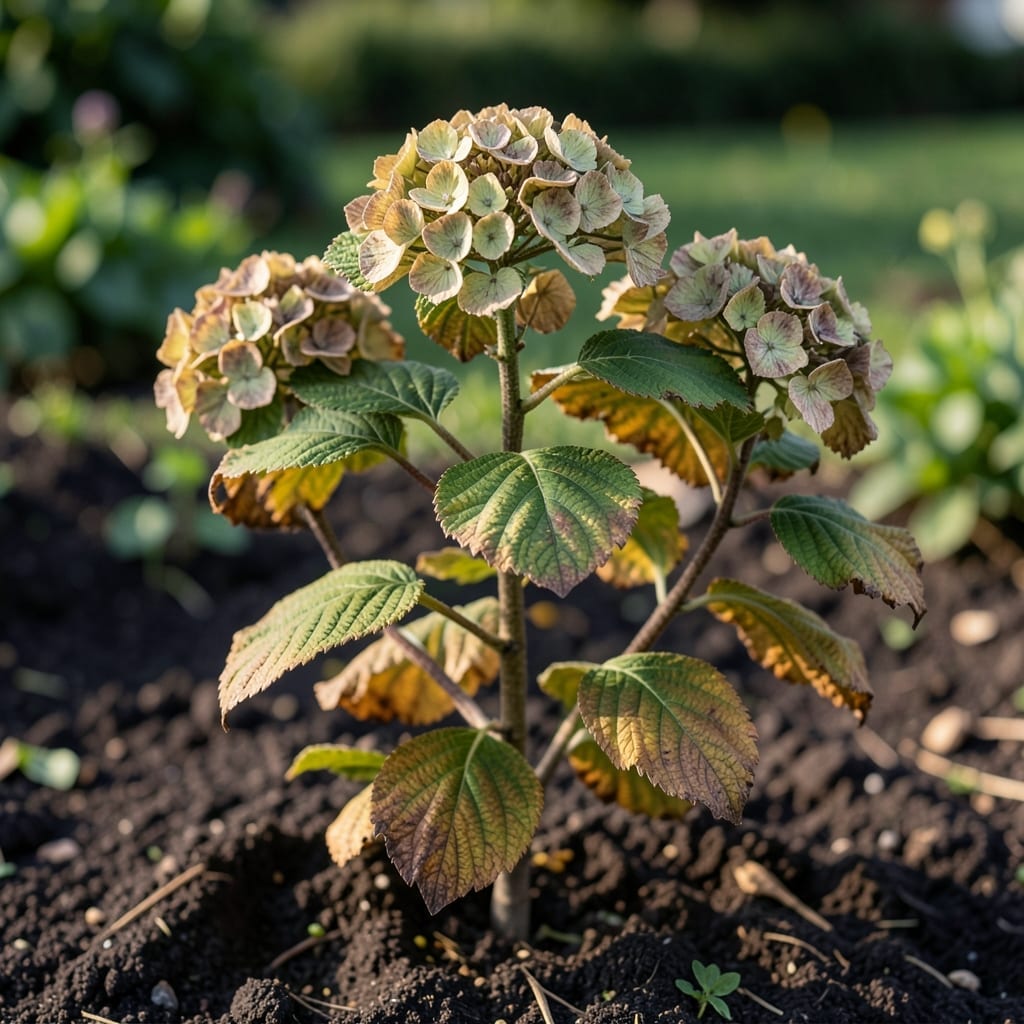
Dried hydrangea leaves are my secret weapon against gray mold. They contain natural compounds that suppress Botrytis spores before they can spread through your garden.
I started using this method after losing a dozen roses to blight last spring. Now I keep a stash of dried leaves ready for early prevention or emergency treatment, and the difference in plant health is noticeable.
📚 In This Guide
Here’s the method I rely on to protect hydrangeas from this common fungal issue.
Begin by examining your hydrangea plants for leaves that appear brown, crispy, or covered in grayish mold—these are classic signs. I always start at the base and work my way up, carefully checking both sides of each leaf and the stems. Remove any affected foliage immediately using clean, sharp pruners.
Cut back to healthy tissue, making sure to sterilize your pruners with rubbing alcohol between cuts to prevent spreading the spores. Collect all removed material in a sealed bag and dispose of it in the trash—do not compost, as the fungus can survive and reinfect your plants later.
Botrytis thrives in damp, stagnant environments, so proper airflow is critical. Thin out dense growth by pruning about one-third of the oldest stems at the base, focusing on those that are crowded or crossing each other. This opens up the center of the plant and allows air to move freely.
Space hydrangeas at least 3-4 feet apart when planting to ensure long-term circulation. If your plants are already established too closely, consider transplanting some in the fall. Also, avoid overhead watering, which wets the leaves and creates ideal conditions for the fungus to spread.
For existing infections, I use a copper-based fungicide or a biological option like Bacillus subtilis. Mix the product according to the label instructions and apply it evenly to all leaf surfaces, stems, and the soil around the base of the plant. Focus on the undersides of leaves, where spores often settle.
Reapply the fungicide every 7-10 days during wet weather or as directed. I’ve found that treating early in the morning allows the solution to dry before evening moisture sets in, which maximizes its effectiveness. Always wear gloves and protective clothing when handling fungicides.
Water hydrangeas at the base using a soaker hose or drip irrigation to keep foliage dry. I water deeply in the early morning, giving the plant time to absorb moisture before the heat of the day. Aim for about 1-1.5 inches of water per week, depending on rainfall and soil conditions.
Remove any leaf litter or debris from around the base of the plant, as these can harbor fungal spores. Mulch with a 2-3 inch layer of organic material like shredded bark, but keep it 1 inch away from the stems to prevent moisture buildup. This helps maintain soil moisture while reducing splash-back onto leaves.
Check your hydrangeas regularly, especially after rainy or humid periods, for early signs of reinfection. I like to keep a journal to track weather patterns and any recurring issues, which helps me stay ahead of problems. Remove any new infected leaves promptly to prevent the fungus from spreading.
At the end of the growing season, clean up all fallen leaves and plant debris from the garden bed. This reduces the chance of the fungus overwintering and returning the following year. A little diligence now saves a lot of trouble later.
These practical strategies will help you prevent and treat botrytis blight effectively.
Inspection Technique: In Step 1, check both sides of leaves and stems thoroughly, as early signs of botrytis can be subtle. I use a small hand mirror to inspect the undersides without damaging plants. Remove infected foliage immediately to prevent spores from spreading to healthy tissue.
Airflow Optimization: For Step 2, when pruning one-third of the oldest stems, focus on the most crowded areas first. This creates immediate airflow improvements. If transplanting in fall isn’t possible, you can also stake dense plants to open their centers temporarily.
Application Timing: In Step 3, treating early in the morning is crucial because it gives the fungicide time to dry before evening dew forms. I’ve found that copper-based fungicides work particularly well when applied to dry foliage, so wait for a clear morning if possible.
Preventive Maintenance: For Step 5, keeping a journal helps track patterns between weather and outbreaks. Note that botrytis often appears after periods of high humidity combined with temperatures between 55-75°F, so be extra vigilant during these conditions.
Yes, dried leaves can harbor fungal spores. Remove and dispose of infected leaves promptly to prevent spreading. Avoid composting them unless your pile reaches high temperatures to kill pathogens.
The best time is in late fall or early spring before new growth starts. This reduces fungal buildup and gives the plant a fresh start. Always prune on dry, sunny days for best results.
Try neem oil, baking soda sprays (1 tbsp per gallon of water), or copper fungicides. These are effective and eco-friendly. Always test on a small area first to avoid plant damage.
Drying can result from overwatering, poor drainage, or environmental stress. Check soil moisture and ensure proper air circulation. If blight persists, reapply treatments or consult a local nursery.