
Beautiful Plants For Your Interior
Beautiful Plants For Your Interior
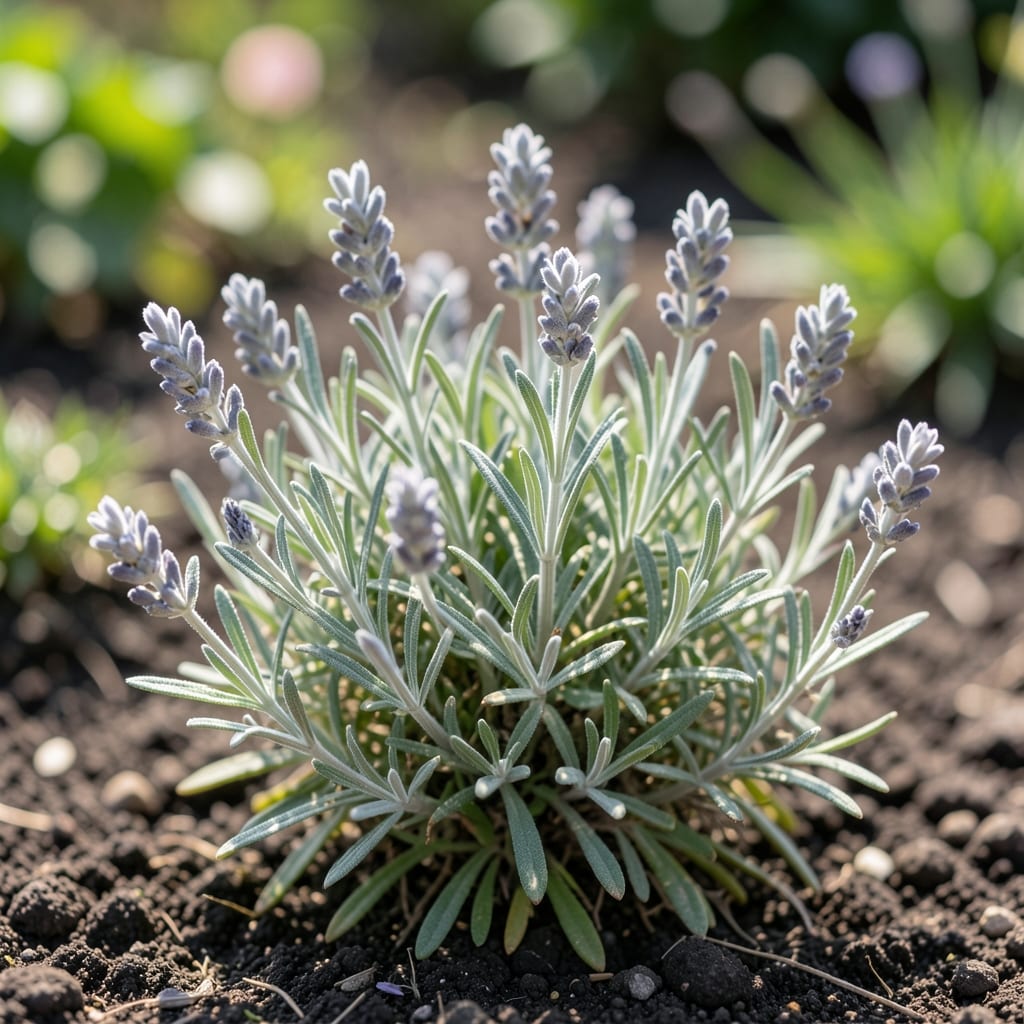
Those first tiny lavender leaves tell you everything about your seedlings’ future. I’ve learned to watch them like a hawk—color, shape, and texture reveal whether they’re thriving or struggling before problems become obvious.
Healthy growth starts with bright green, slightly fuzzy leaves that gradually turn silvery as they mature. Any yellowing, curling, or dark spots means it’s time to adjust light, water, or soil conditions immediately.
Most issues fix themselves once you match the care to what lavender naturally wants: well-draining soil, full sun, and careful watering. The difference between sad and spectacular often comes down to these first few weeks.
By the time they’re ready for transplanting, you’ll see sturdy stems and that unmistakable silvery foliage. That’s when you know you’ve nailed the early stages.
Understanding why lavender seedling leaves exhibit issues is key to nurturing healthy plants. Below are the most common causes, explained scientifically and with actionable insights. 🌱
Lavender thrives in dry, well-draining soil. Overwatering suffocates roots, reducing oxygen uptake and promoting fungal growth like Phytophthora. Seedlings may develop yellowing leaves (chlorosis) or root rot. Fix: Use sandy or gritty soil mixes and water only when the top inch of soil is dry.
Lavender seedlings require 6–8 hours of direct sunlight daily. Inadequate light causes etiolation—weak, leggy growth with pale or small leaves. Chlorophyll production drops, leading to stunted development. Fix: Move seedlings to a sunnier spot or use grow lights (12–16 hours/day for indoor starts).
Extreme heat (above 90°F) or cold drafts (below 50°F) disrupt cellular processes. Heat stress may cause leaf scorch (brown edges), while cold shock stunts growth. Lavender prefers 70–85°F for optimal photosynthesis. Fix: Use shade cloth in hot climates or protect seedlings with cloches in cooler weather.
Nitrogen deficiency yields pale yellow leaves, while phosphorus or potassium shortages cause purpling or necrosis. Lavender is adapted to low-fertility soils; over-fertilizing (especially with high nitrogen) can harm seedlings. Fix: Use a balanced, diluted fertilizer (e.g., 10-10-10) sparingly, or amend soil with compost.
Spider mites, aphids, or fungal pathogens (e.g., Alternaria) target stressed seedlings. Sap-sucking pests cause stippling or curling leaves, while fungi create spots or mold. Fix: Inspect leaves regularly; treat with neem oil (pests) or copper fungicide (diseases) at first signs.
When your lavender seedlings show distress, quick and targeted fixes can restore their health. Below are the most common problems and their solutions, with simple prevention tips to keep your plants thriving.
Yellow leaves often signal overwatering or poor drainage. Repot seedlings in a well-draining mix (50% perlite or sand + 50% potting soil). Use containers with drainage holes. Water only when the top inch of soil is dry. Prevention tip: 💡 Avoid saucers that trap water—elevate pots to let excess drain freely.
Wilting can mean underwatering or root stress. Check soil moisture by sticking your finger in—if it’s bone-dry, water deeply but sparingly. If the soil is soggy, hold off watering and move the seedling to a sunnier spot to dry out. Prevention tip: 🌡️ Use a moisture meter to avoid guesswork.
Tiny holes or brown spots? Spider mites or aphids may be to blame. Spray leaves with a mild soap-water solution (1 tsp dish soap per liter of water) or neem oil. Repeat every 3–5 days until pests are gone. Prevention tip: ✨ Keep seedlings in a breezy area—pests hate airflow!
Tall, weak stems with sparse leaves mean your seedlings are stretching for light. Move them to a south-facing window or use a grow light (12–16 hours/day). Prevention tip: 🎯 Rotate pots weekly for even growth.
Crispy brown edges often indicate fertilizer burn. Flush the soil with water to remove excess salts, and switch to a low-nitrogen fertilizer (like 5-10-10) diluted to half strength. Prevention tip: 💧 Lavender thrives in poor soil—fertilize sparingly, if at all.
Yellowing often signals overwatering or poor drainage. Lavender hates soggy roots. Switch to a gritty soil mix and water only when the top inch feels dry.
Seedlings require 6-8 hours of direct light daily. Leggy growth means they’re starving for more. Use a south-facing window or grow lights if needed.
Avoid heavy feeding—lavender thrives in poor soil. A diluted 5-10-10 mix at half strength is plenty, applied sparingly. Too much nitrogen causes weak growth.
Brown spots usually mean fungal disease or pest damage. Improve airflow, avoid wetting leaves, and treat with copper fungicide or neem oil if needed.