
Beautiful Plants For Your Interior
Beautiful Plants For Your Interior
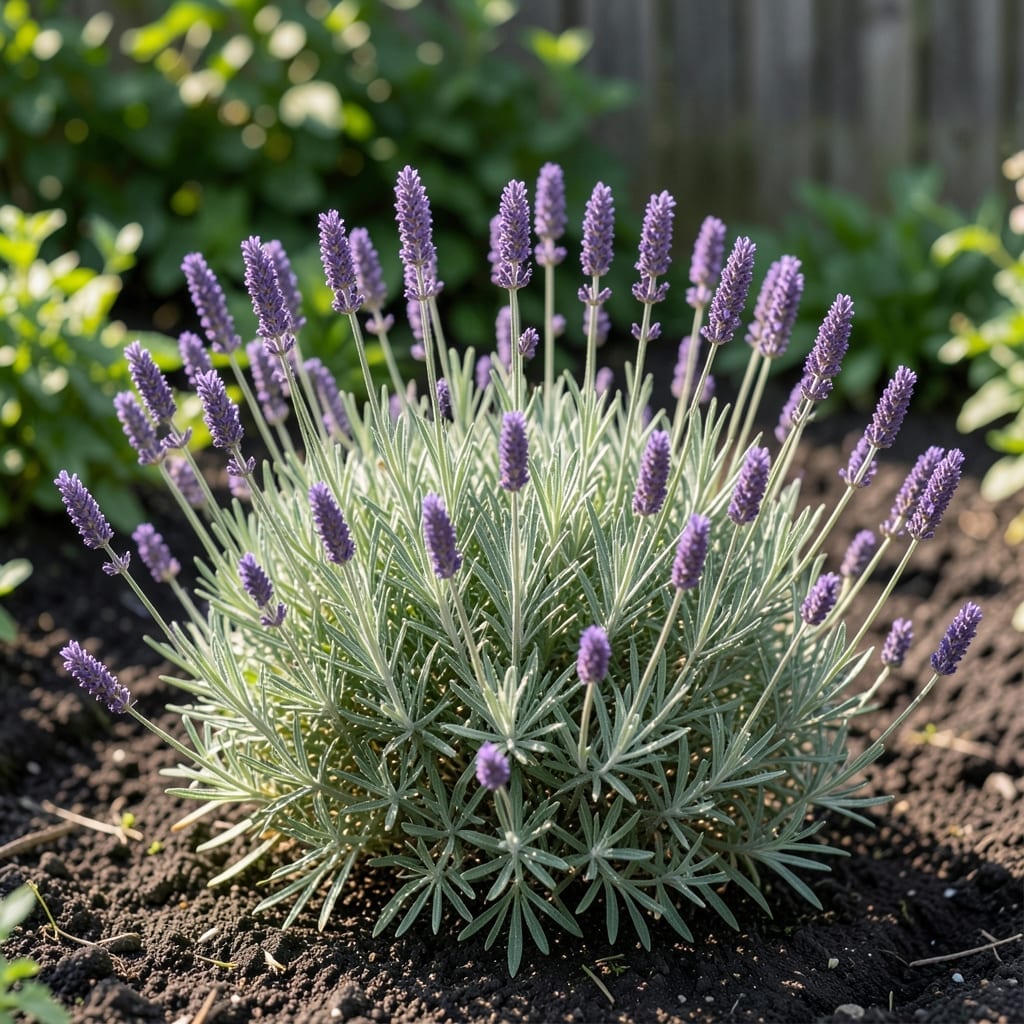
I learned the hard way that lavender roots hate wet feet. The secret to healthy growth starts underground with a deep, fibrous system that needs perfect drainage to thrive.
Get this right and you’ll have fragrant, drought-resistant plants that come back stronger every year. The key is matching your soil and watering habits to what these roots naturally demand.
📚 In This Guide
Understanding and supporting this system ensures your plants establish strongly and flourish for years.
Lavender develops a woody, fibrous root system that spreads wide rather than deep. Most roots stay in the top 6-12 inches of soil, but they can extend outward up to 18 inches from the base. This shallow, spreading nature means the plant relies on a broad area for stability and nutrient uptake.
I always check the root ball when planting—healthy roots appear white to tan and feel firm. Dark or mushy roots signal rot, often from overwatering. The woody crown at the base is particularly sensitive, so handle it gently during transplanting.
Set the plant so the crown sits 1-2 inches above the soil line. Burying it too deep encourages rot, while planting too high exposes roots to drying out. The shallow root system needs good aeration, so avoid compacting the soil around the base.
I dig a hole twice as wide as the root ball but only as deep as the container. This gives the spreading roots room to establish without sinking. Backfill with loose, well-draining soil to prevent water pooling around the crown.
Lavender roots despise soggy conditions. Use a well-draining soil mix—I amend native soil with 50% grit or coarse sand to improve drainage. Raise beds or use containers with drainage holes if your soil is heavy clay.
After watering, the soil should feel dry to the touch within 24 hours. If it stays damp longer, your drainage isn’t sufficient. The roots will suffocate in waterlogged soil, leading to yellowing leaves and stunted growth.
Water deeply but infrequently to encourage deep root growth. I give established plants a thorough soaking every 2-3 weeks during dry spells, allowing the soil to dry completely between waterings. New plants need weekly water for the first month to help roots settle.
Always water at the base, keeping leaves dry to prevent fungal issues. The shallow roots make lavender sensitive to drought, but they’re even more sensitive to overwatering. When in doubt, underwater—this plant thrives on neglect.
Lavender dislikes root disturbance, so choose your planting spot carefully. I avoid dividing or moving established plants unless absolutely necessary. If you must transplant, do it in early spring before new growth starts.
Prune the top growth lightly after planting to reduce stress on the roots. The plant will focus energy on root establishment first. Avoid heavy pruning until the roots are fully settled, usually after 2-3 months.
Small details make the difference between struggling lavender and plants that thrive for years.
Sunlight Priority: That 6-8 hours of direct sunlight daily in Step 1 isn’t just a suggestion—it’s non-negotiable. I’ve seen lavender in partial shade produce weak, woody stems with barely any flowers. If your garden doesn’t get full sun, consider containers you can move to follow the light.
Drainage Reality Check: Here’s what nobody tells you—well-draining soil means water should disappear within 5-10 seconds after pouring. Test this before planting: dig a 1-foot hole, fill with water, and time how long it takes to drain. If it’s still there after 30 minutes, amend with more gravel.
Watering Discipline: The 1-2 times per week watering schedule in Step 3 works because lavender roots need to chase moisture. I set a reminder to check soil moisture at the 1-2 inch depth—if it’s dry, water deeply; if damp, wait. Overwatering kills more lavender than drought ever does.
Pruning Precision: When trimming back 1/3 of the current year’s growth in Step 5, use sharp bypass pruners, not anvil-style. Clean cuts heal faster. And never, ever cut into that woody base—once you hit brown wood, stop. I learned this the hard way after losing a mature plant to over-enthusiastic pruning.
Lavender roots typically grow 8–12 inches deep, but mature plants can extend up to 18 inches. Their shallow, fibrous system spreads wide, so avoid deep digging near the base to prevent damage.
Yes! Lavender thrives in shallow, well-draining soil. Its roots prefer loose, rocky, or sandy conditions over deep, compacted soil. Just ensure good drainage to prevent root rot.
Trim affected roots, repot in fresh, gritty soil, and reduce watering. Ensure the plant has full sun and excellent drainage. Avoid overwatering—lavender prefers dry conditions.
Use a mix of sandy or gravelly soil with low organic matter. Lavender roots hate soggy conditions, so prioritize fast-draining substrates like perlite or coarse sand.