
Beautiful Plants For Your Interior
Beautiful Plants For Your Interior
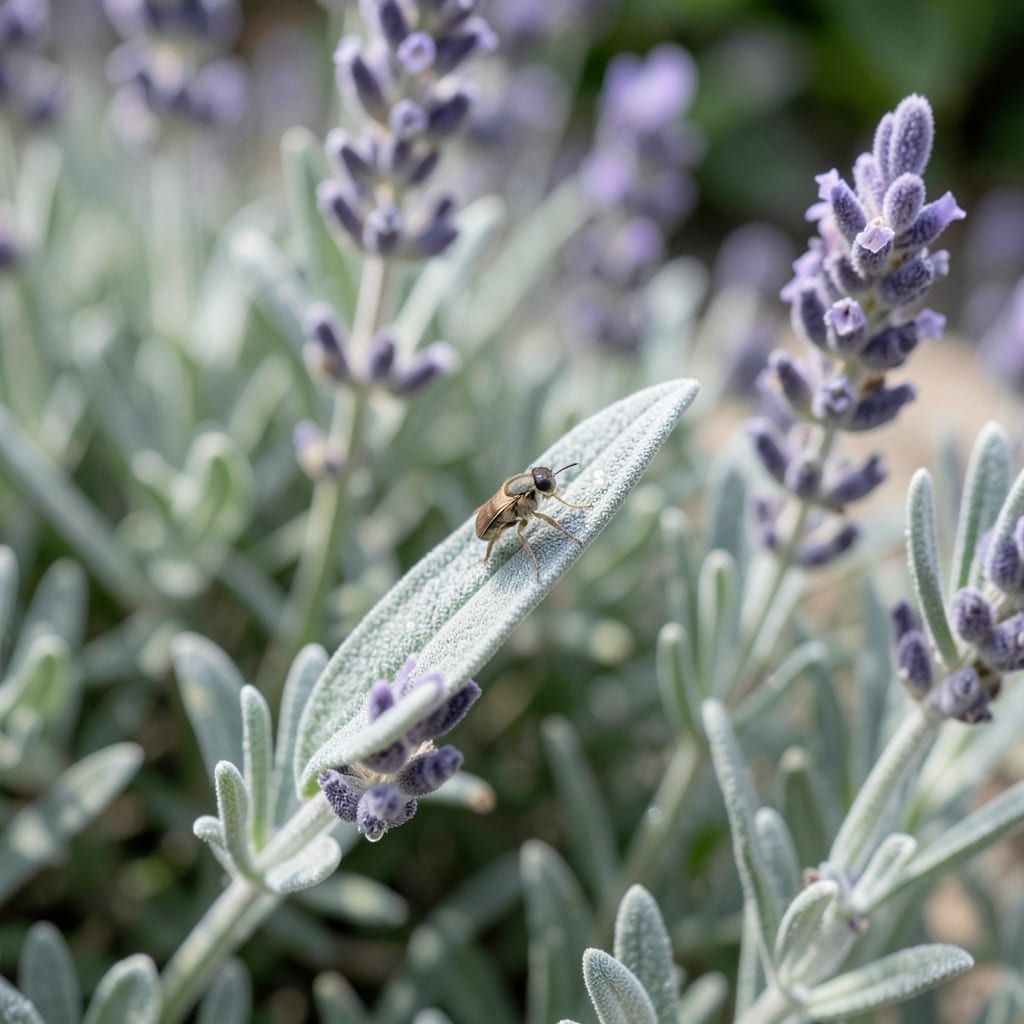
My garden changed the day I planted lavender between the roses. 🌿 The bugs that used to chew through everything suddenly vanished, leaving behind only the bees and butterflies I actually wanted.
Lavender’s strong scent masks the smells other pests rely on to find your plants. It’s not magic—just nature’s version of invisible bug spray. Mosquitoes, flies, even deer steer clear.
Plant it along borders, near entry points, or right in your vegetable patch. A few well-placed bushes can protect an entire area without harsh chemicals.
Bonus: it thrives on neglect, needs full sun, and rewards you with fragrant blooms all season long.
Lavender’s bug-repelling power isn’t magic—it’s science! This fragrant herb produces natural compounds that many insects find unbearable. Here’s why bugs steer clear:
Lavender emits a high concentration of linalool and linalyl acetate, volatile organic compounds (VOCs) that overwhelm insects’ olfactory receptors. Mosquitoes, flies, and moths rely on scent to locate food or mates, but lavender’s intense aroma masks these cues, making it harder for them to navigate. Studies show these VOCs can even interfere with pests’ ability to detect carbon dioxide—a key attractant for blood-feeding insects like mosquitoes.
Beyond smell, lavender contains camphor and eugenol, which act as natural insecticides. These compounds damage the nervous systems of soft-bodied pests (e.g., aphids, mites) on contact or ingestion. For example, camphor disrupts cellular function in insects, leading to paralysis or death. This is why lavender oil is a common ingredient in organic pest sprays.
Lavender’s leaves and stems are coated with tiny, hair-like structures (trichomes) that secrete bitter-tasting oils. Chewing insects like beetles and caterpillars avoid these parts because the oils are unappetizing—and in high doses, toxic. Even deer and rabbits, which aren’t insects, often bypass lavender for tastier garden treats!
Lavender’s natural pest-repelling properties make it a garden superhero, but a few tweaks can maximize its effectiveness. Here’s how to solve common issues and ensure your lavender keeps bugs at bay.
If your lavender looks weak or sparse, it won’t repel bugs effectively. Fix it by pruning dead stems and ensuring well-draining soil. Lavender hates soggy roots, so water only when the top inch of soil is dry. A dose of compost in spring can boost growth.
Prevention tip: 💡 Plant lavender in full sun (6+ hours daily) to keep it thriving and bug-repelling.
For stubborn bugs like aphids or mosquitoes, combine lavender with other repellent plants like marigolds or rosemary. Crush a few lavender leaves and rub them on your skin for extra protection during outdoor activities.
Prevention tip: ✨ Plant lavender near entry points (windows, doors) to create a natural bug shield.
If bugs still sneak in, your lavender might be too isolated. Add potted lavender to patios or place dried bundles in closets or drawers. For larger areas, plant lavender in clusters to amplify its scent-based deterrent effect.
Prevention tip: 🎯 Refresh dried lavender every few months to maintain its potency.
With these simple steps, your lavender will work harder to keep pests away—naturally and beautifully.
Lavender repels mosquitoes, flies, moths, and fleas most effectively. Its strong scent also deters aphids, whiteflies, and even deer from your garden.
No, the plant releases enough scent naturally. However, crushing a few leaves can release more oils for a stronger deterrent effect, especially for mosquitoes.
Space lavender 12-18 inches apart from other plants to allow airflow. Plant it near roses or vegetables to create a protective barrier.
Yes, dried bundles maintain their scent for 3-6 months. Place them in closets, drawers, or hang near doorways for indoor pest control.