
Beautiful Plants For Your Interior
Beautiful Plants For Your Interior
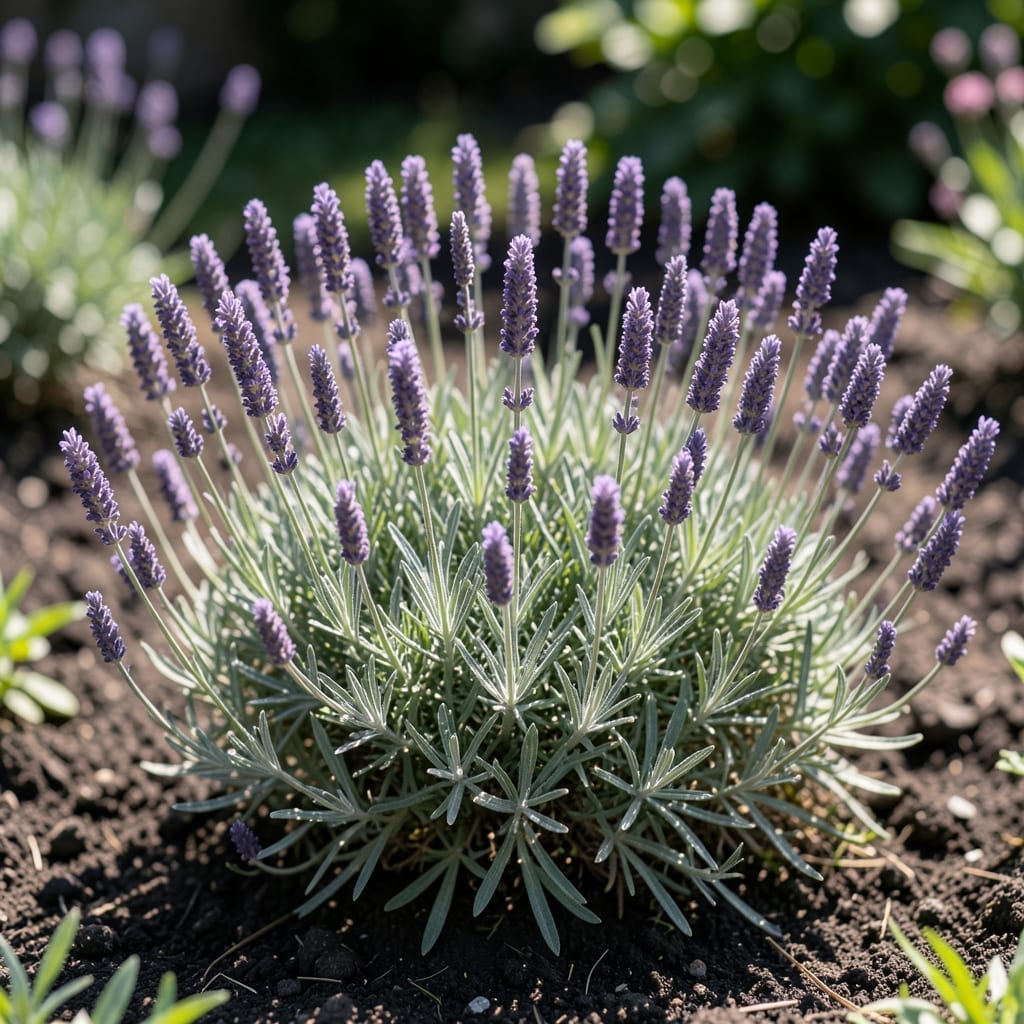
Lavender thrives in full sun, but even this hardy plant needs the right care to flourish. Without proper attention, its vibrant blooms can fall short of their potential.
I’ve learned that 6+ hours of direct sunlight daily unlocks the most fragrant and colorful flowers. The key is balancing sun exposure with the right soil and watering practices.
Discover how to create the perfect conditions for 🟣 Lavender to thrive. These simple steps will transform your garden into a fragrant, sun-soaked haven.

I’ve found that lavender absolutely thrives in full sun conditions. This Mediterranean native is wired to soak up 6+ hours of direct sunlight daily, which fuels its signature fragrance and vibrant blooms.
Without enough sun, lavender becomes leggy and weak, producing fewer flowers and less oil. That’s why I always prioritize the sunniest spots in my garden for these plants. A south-facing location works best in most climates.
| Requirement | Specification |
|---|---|
| Sunlight Needs | 6+ hours daily |
| Best Window Direction | South-facing |
| Light Type | Direct sun |
| USDA Zones | 5-9 |
| Mature Height | 2-3 ft |
In hotter climates, I’ve noticed lavender can handle even more sun, but it’s crucial to ensure the soil stays well-draining. Heavy clay soils can cause root rot, even in perfect sunlight conditions.
If your garden has partial shade, consider container gardening. I’ve successfully grown lavender in pots on my sunny patio, which allows me to move them as needed to maximize sun exposure throughout the day.
Watch for signs of insufficient light, like pale leaves or sparse blooms. If you notice these, it’s time to relocate your plants or trim back nearby shrubs that might be casting shadows.
For those in cooler regions, don’t worry—lavender is quite adaptable. I’ve seen it flourish in zone 5 gardens with proper care. Just be sure to protect it from harsh winter winds that can damage the foliage.
Remember that morning sun is particularly beneficial. It helps dry any dew on the leaves, preventing fungal diseases that lavender is sometimes susceptible to in humid conditions.
If you’re planting multiple lavender bushes, space them 2-3 feet apart to ensure good air circulation. This not only helps with disease prevention but also ensures each plant gets its fair share of sunlight.
Finally, I always recommend mulching with gravel rather than organic materials. This helps reflect light back onto the plant and prevents moisture from accumulating around the base, which is crucial for lavender’s health in full sun. ☀️
I’ve learned that lavender in full sun thrives with a deep but infrequent watering approach. This Mediterranean plant is drought-tolerant once established, so I water mine every 2-3 weeks in the growing season.
For soil, well-draining conditions are non-negotiable. I always amend heavy soils with sand or gravel to prevent waterlogging, which can be deadly for lavender roots, especially in full sun. ✂️
I always check the top inch of soil before watering—if it’s dry, it’s time to give my lavender a good soak. This encourages deep root growth, which helps the plant withstand intense sun exposure without stress.
For container-grown lavender, I water more frequently—about every 5-7 days—since pots dry out faster in full sun. But I’m careful not to overdo it, as soggy soil is the quickest way to kill lavender.
I’ve found that raised beds work exceptionally well for lavender in full sun. They provide excellent drainage and allow me to control the soil mix precisely. Plus, the elevated position often means better sun exposure throughout the day.
In extremely hot climates, I give my lavender a light afternoon shade during peak summer months. This prevents heat stress while still allowing the plant to get its required 6+ hours of sunlight.
Remember, less is more with lavender care. These plants are tough and thrive on a bit of neglect, especially when they’re getting plenty of sun. 🌿