
Beautiful Plants For Your Interior
Beautiful Plants For Your Interior
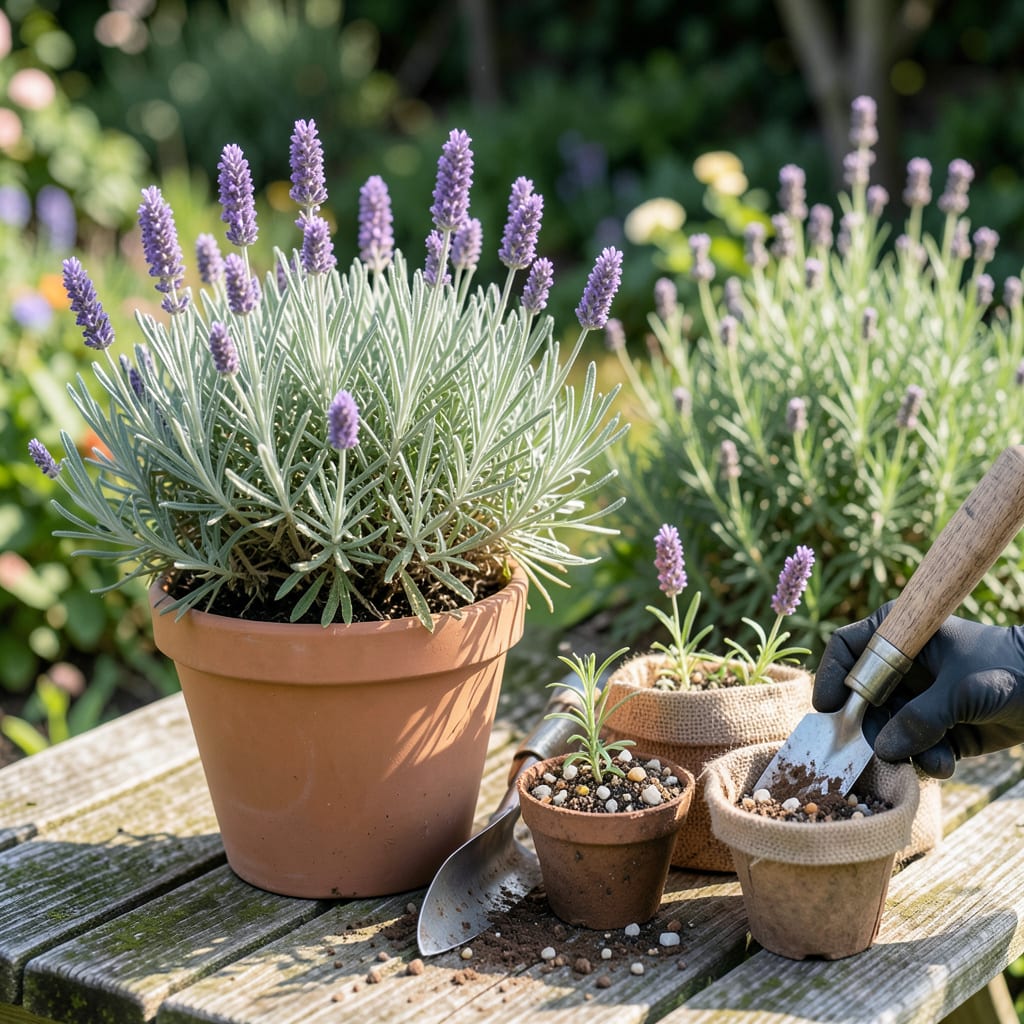
If you’ve ever dreamed of a backyard filled with fragrant 💜 lavender blooms, timing your planting in Pennsylvania could make or break your success. Our state’s unpredictable climate—from humid summers to chilly winters—demands precision.
I’ve helped dozens of gardeners across PA zones 6a-7b grow thriving lavender, and the secret starts with knowing exactly when to plant. Whether you’re in the Piedmont or near Lake Erie, I’ll show you how to pick the perfect window for vibrant, long-lasting blooms.
If you’re dreaming of fragrant lavender fields in your Pennsylvania garden, timing your planting is absolutely critical. Our state’s USDA zones 6a-7b create unique challenges, with late frosts in spring and early cold snaps in fall. I’ve found that getting this right means the difference between thriving plants and disappointing losses.
The ideal planting windows in PA are mid-April through May for spring and early September through October for fall. These periods avoid extreme temperatures while giving roots time to establish. Remember, soil temperature should be at least 60°F for best results—cold soil can shock young lavender plants.
| Season | Best Months | Soil Temp | Key Benefit |
|---|---|---|---|
| Spring | April 15-May 30 | 60°F+ | Full growing season ahead |
| Fall | Sept 1-Oct 15 | 60°F+ | Stronger root development |
| Winter | ❌ Avoid | ❌ Too cold | High mortality risk |
Pro Tip: Fall planting often yields hardier plants that overwinter better in PA’s climate.
For spring planting, I always wait until after our last frost date (April 15) in most of PA. This gives the soil time to warm up properly. If you’re in the Piedmont region near Philadelphia, you might push this to early April, but mountain areas should wait until late April or early May.
The fall window is actually my favorite for lavender in PA. Planting in September or early October gives roots about 6 weeks to establish before winter dormancy. The cooler temperatures reduce transplant shock, and you’ll often see stronger plants emerge in spring. Just be sure to plant at least 4-6 weeks before first frost.
Soil preparation is just as important as timing. Lavender demands excellent drainage—our PA clay soils are notorious for causing root rot. I recommend amending with 50% sand or gravel and planting on slight mounds or in raised beds. A pH between 6.5-7.5 is ideal for most lavender varieties grown in Pennsylvania.
If you’re planting English lavender (the most cold-hardy variety), you can push the fall planting window slightly later. But for Spanish or French lavender, stick to spring planting in PA—they’re less cold-tolerant and need that full growing season to establish before winter.
Watering after planting is crucial, but don’t overdo it. I give new lavender plants 1 inch of water weekly for the first month, then taper off. Our humid PA summers can be tricky—lavender hates wet feet! Always water at the base in the morning to prevent fungal issues.
For those in urban areas like Pittsburgh or Philadelphia, watch for the heat island effect—your planting window might start 1-2 weeks earlier than rural areas. Conversely, if you’re in the Poconos or Allegheny Mountains, expect a shorter growing season and adjust accordingly.
Remember, lavender is a long-term investment. Proper timing now means years of fragrant blooms with minimal care. Whether you choose spring or fall planting, the key is giving those roots time to establish before facing PA’s temperature extremes. Your patience will be rewarded with those iconic purple spikes and heavenly scent!
Still unsure? Try this simple test: stick your finger 2 inches into the soil. If it feels warm and crumbly (not cold or soggy), it’s lavender planting time in Pennsylvania! 🌿
Pennsylvania’s diverse microclimates mean lavender planting timing varies dramatically across the state. What works in Philadelphia’s Piedmont won’t necessarily succeed in the Allegheny Mountains or near Lake Erie. I’ve learned to adjust my approach based on these key regional differences.
The southeastern Piedmont (zones 7a-7b) enjoys warmer springs and longer falls, allowing for earlier planting. Here, you can start English lavender as early as late March in protected areas, though I still recommend waiting until April for most reliable results. The urban heat islands in Philly and Lancaster can extend your growing season by 2-3 weeks.
| Region | USDA Zone | Spring Window | Fall Window | Best Varieties |
|---|---|---|---|---|
| Piedmont | 7a-7b | March 20-April 30 | Sept 1-Oct 30 | Munstead, Hidcote |
| Allegheny Mtns | 5b-6a | May 1-June 1 | Aug 15-Sept 15 | Grosso, Royal Purple |
| Lake Erie | 6b | April 15-May 15 | Aug 20-Sept 20 | Phenomenal, SuperBlue |
| Central PA | 6a-6b | April 15-May 15 | Sept 1-30 | Hidcote Giant, Vera |
Region Tip: Mountain areas need extra winter protection – use 3-4 inches of gravel mulch.
In the Allegheny Mountains (zones 5b-6a), our shorter season means waiting until May 1 for spring planting. The fall window closes earlier here—aim for mid-September at the latest. I’ve had best success with cold-hardy varieties like ‘Grosso’ that can handle our -10°F winters with proper mulching.
The Lake Erie region presents unique challenges with its lake-effect weather. Spring planting should wait until after the last frost (typically May 1), but the extended fall warmth allows planting until late September. Watch for sudden temperature swings—lavender hates wet, cold roots from unexpected lake-effect rains.
For central PA gardeners (zones 6a-6b), your timing splits the difference. Stick to mid-April through May for spring and September for fall. The Hidcote Giant variety performs exceptionally well here, reaching 3 feet tall with proper care. Always plant on south-facing slopes for maximum sun exposure.
No matter your region, soil preparation remains crucial. Our PA soils tend to be clay-heavy, so I recommend creating 18-inch mounds with a 50/50 mix of native soil and coarse sand or gravel. This ensures the excellent drainage lavender demands to prevent root rot during our humid summers.
Urban gardeners in Pittsburgh or Philadelphia can push boundaries slightly. The heat island effect allows for earlier spring planting (by 1-2 weeks) and later fall planting (by 1 week). Just monitor soil moisture closely—concrete and asphalt can create drier microclimates that require more frequent watering during establishment.
Remember, lavender thrives on neglect once established, but getting the regional timing right is crucial for that first year. When in doubt, choose fall planting—it gives roots a head start before winter while avoiding our often unpredictable PA springs. Your reward will be years of fragrant, pollinator-friendly blooms! 🌱
After helping gardeners across Pennsylvania grow lavender for years, I’ve seen the same three mistakes kill more plants than winter frost. The good news? They’re all preventable with some simple adjustments to your approach. Let me show you what to watch for in our PA climate.
The biggest error I see is planting in poorly drained soil. Our Pennsylvania clay holds moisture like a sponge, which spells disaster for lavender’s sensitive roots. I’ve lost count of how many gardeners have told me their plants “just died” over winter—only to find soggy soil was the culprit.
PA Pro Tip: Test drainage by digging a 12″ hole, filling with water. If it doesn’t drain in 1 hour, amend your soil!
Another common mistake is ignoring hardiness zones when selecting varieties. I’ve seen gardeners in the Poconos (Zone 5b) plant tender Spanish lavender, only to lose it the first winter. Stick with English lavender cultivars like ‘Munstead’ or ‘Hidcote’ that can handle our -15°F winters with proper protection.
Overwatering might be the most surprising killer in our humid PA summers. Lavender’s native to Mediterranean climates and hates wet roots. I recommend the “soak and dry” method: water deeply once a week, then let the soil dry completely. In rainy periods, skip watering entirely—our natural precipitation is often enough.
Many gardeners also overlook winter protection in their first year. Even cold-hardy varieties need help establishing before PA winters. I use a 3-inch layer of gravel mulch (not organic mulch) around the base to prevent moisture buildup while insulating roots. Avoid pruning after August—new growth won’t harden off in time for frost.
Finally, don’t plant too deep! The crown should sit 1-2 inches above soil level to prevent rot. I like to plant on slight mounds or in raised beds, especially in our clay-heavy regions. This small adjustment makes a huge difference in survival rates through our wet springs and winters.
Remember, lavender thrives on neglect once established, but that first year is critical. Avoid these common PA pitfalls, and you’ll be rewarded with fragrant, drought-resistant plants that come back stronger each year. Your future self will thank you when you’re harvesting armfuls of purple spikes! 🌿
Fall planting (September-October) is often ideal for PA’s climate. The cooler temperatures reduce transplant shock, and roots establish well before winter. Spring (April-May) works too, but requires more careful watering during our humid summers.
English lavender varieties like ‘Munstead’ and ‘Hidcote’ thrive in PA’s zones 6a-7b. These cold-hardy cultivars can handle temperatures down to -15°F with proper winter protection. Avoid tender Spanish lavender in colder regions.
Amend heavy clay with 50% coarse sand or gravel and plant on 18-inch mounds for drainage. Aim for a pH between 6.5-7.5. Raised beds work well in poorly drained areas. Test drainage by digging a hole—water should disappear within an hour.
Use 12-16 inch pots with drainage holes and a gritty mix of 50% potting soil/50% perlite. Containers dry faster, so water every 5-7 days in summer. Move pots to sheltered spots in winter to prevent root damage.
