
Beautiful Plants For Your Interior
Beautiful Plants For Your Interior
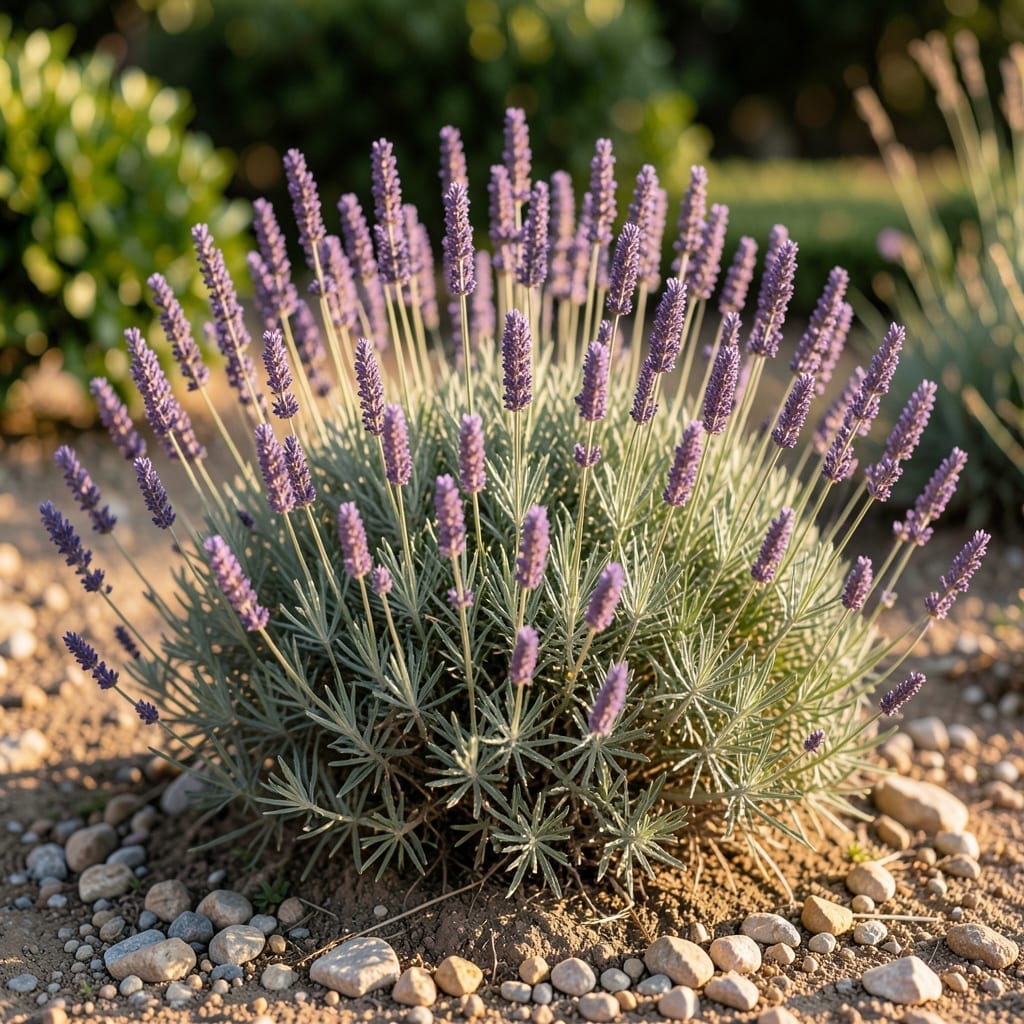
That gray tint on your lavender isn’t just unsightly—it’s a distress signal. I’ve seen this happen when plants are drowning in too much love, usually from overwatering or poor drainage.
The culprits are often fungal issues or root rot, but sometimes it’s just the wrong soil mix. Lavender hates wet feet, and gray leaves usually mean it’s sitting in moisture too long.
Here’s the good news: with a few adjustments, you can bring back that vibrant green and fragrant foliage. It starts with checking your watering routine and soil conditions.
Most cases turn around within 2-3 weeks once you address the root cause. Let’s get your plant back on track.
Gray foliage in lavender often signals stress or disease. Below are the most common causes, explained with actionable insights.
Lavender thrives in dry, well-drained soil. Excess moisture suffocates roots, leading to fungal infections like Phytophthora or root rot. Gray leaves may appear waterlogged or mushy. Fix: Ensure pots have drainage holes, and use sandy, gritty soil. Water only when the top 1–2 inches of soil are dry.
Fungi like Alternaria or Botrytis cause grayish-brown spots or a dusty gray coating (mold). These thrive in humid, poorly ventilated conditions. Fix: Improve airflow, avoid overhead watering, and remove infected leaves. Apply a copper-based fungicide if severe.
While lavender loves sun, intense UV exposure (especially in hot climates) can bleach leaves gray-white. Younger plants or those suddenly moved to full sun are most vulnerable. Fix: Acclimate plants gradually. Provide afternoon shade in extreme heat (>90°F/32°C).
A lack of magnesium or nitrogen may cause grayish-yellow discoloration. Lavender prefers low-fertility soil, but extreme deficiencies stunt growth. Fix: Test soil pH (aim for 6.5–7.5). Amend with compost or a balanced, low-nitrogen fertilizer (e.g., 5-10-5).
Spider mites or mealybugs suck sap, leaving leaves gray, stippled, or webbbed. These pests flourish in dry, dusty conditions. Fix: Blast plants with water to dislodge pests. Apply neem oil or insecticidal soap weekly until resolved.
Gray lavender often signals stress, but these targeted fixes can restore its vibrant purple and green. Address the root cause first, then adjust care to prevent recurrence.
If leaves look bleached or crispy, your plant may be getting too much direct sunlight or heat. Move it to a spot with morning sun and afternoon shade, especially in hot climates. Use shade cloth (30-40% density) during peak summer. Prevention tip: 💡 Acclimate lavender gradually to full sun if grown indoors or in partial shade.
Grayish foliage can result from both overwatering and underwatering. Check soil moisture 2 inches deep—water only when dry. Ensure pots have drainage holes, and use a well-draining soil mix with sand or perlite. Prevention tip: 🌡️ Use a moisture meter to avoid guesswork, and water at the base to keep leaves dry.
Gray mold or fuzzy growth indicates a fungal issue, often from poor air circulation or excess moisture. Prune affected areas with sterilized shears and dispose of debris. Apply a copper-based fungicide or a homemade baking soda spray (1 tsp baking soda + 1 quart water + a few drops of dish soap). Prevention tip: ✨ Space plants 2-3 feet apart for airflow and avoid overhead watering.
Lavender thrives in alkaline, well-draining soil. If your soil is too dense or acidic, leaves may turn grayish. Amend the soil with lime to raise pH and mix in coarse sand or gravel. For potted plants, repot using a cactus or lavender-specific mix. Prevention tip: 🎯 Test soil pH annually (aim for 6.5–8.0) and refresh potting mix every 2 years.
Spider mites or aphids can cause discoloration and stress. Spray plants with neem oil or insecticidal soap, focusing on the undersides of leaves. Introduce beneficial insects like ladybugs for natural control. Prevention tip: 🔥 Inspect plants weekly and keep the growing area clean of debris.
Water deeply but infrequently, about once every 2-3 weeks for established plants. Check that the top 2 inches of soil are dry before watering again.
Yes, intense sunlight can bleach leaves, especially in hot climates. Provide afternoon shade if temperatures exceed 90°F.
Use well-draining, sandy, or gritty soil with a pH of 6.5–8.0. Amend heavy soil with coarse sand or gravel.
Prune affected areas and apply a copper-based fungicide. Improve airflow by spacing plants 2-3 feet apart.