
Beautiful Plants For Your Interior
Beautiful Plants For Your Interior
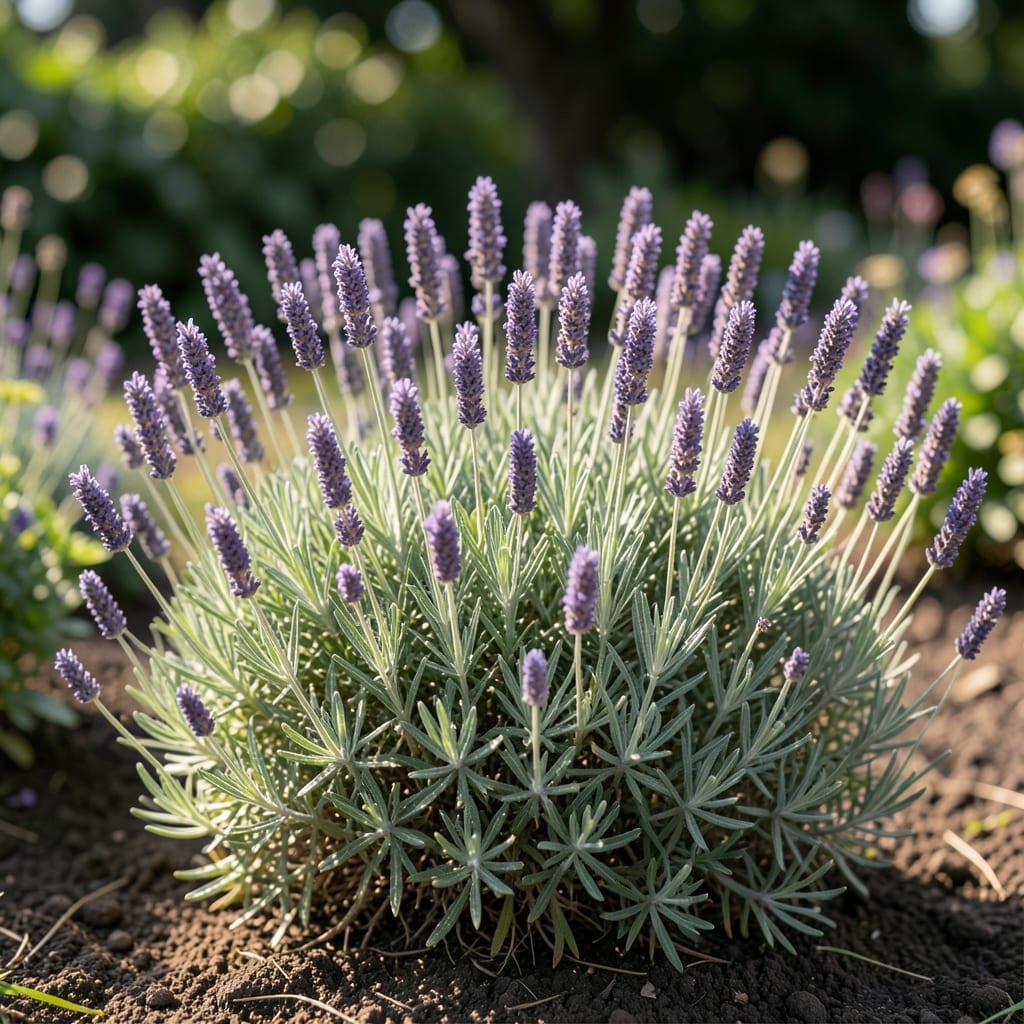
That crispy lavender plant in your garden isn’t necessarily a goner. I’ve brought back more than a few by first checking the roots—if they’re still firm and white, there’s hope.
Drying out usually means too much water or poor drainage. Lavender hates wet feet, so I always use a fast-draining soil mix and water only when the top inch is bone-dry. A finger test never lies.
Once you adjust the care, you’ll often see new growth within 2-3 weeks. The key is patience and resisting the urge to overwater—this plant thrives on neglect.
Works for potted lavender too—just make sure the container has drainage holes. Simple fixes, big rewards.
Understanding why your lavender plant dried out is the first step to reviving it. Here are the most frequent culprits behind this issue:
Lavender thrives in full sun, but too much intense heat—especially in arid climates—can scorch its leaves and stems. This is often due to excessive transpiration, where the plant loses water faster than its roots can absorb it. If your lavender is in a pot, black or metal containers can overheat the soil, accelerating moisture loss.
While lavender is drought-tolerant, it still needs consistent moisture during its first year of growth to establish a strong root system. Underwatering causes the soil to dry out completely, leading to wilting and browning. Conversely, overwatering can suffocate roots, preventing them from absorbing nutrients and water efficiently.
Lavender hates soggy roots. Heavy, clay-like, or compacted soil traps water, leading to root rot and poor oxygen circulation. Without proper drainage, the plant’s roots can’t breathe, causing stress that manifests as dried, brittle foliage. Amending soil with sand or gravel can help prevent this issue.
Dry, windy conditions can strip moisture from lavender leaves faster than the plant can replenish it. This is especially common in urban gardens or exposed balconies where wind tunnels form. A lack of humidity in the air exacerbates the problem, leaving the plant parched even if the soil is damp.
Infestations like spider mites or fungal diseases (e.g., Phytophthora root rot) weaken the plant, making it more susceptible to drying out. Pests pierce leaves and stems, disrupting the plant’s ability to retain water, while diseases block nutrient uptake, accelerating dehydration.
Don’t toss that crispy lavender just yet! With the right fixes, you can often coax it back to life. Below are targeted solutions for the most common causes of a dried-out lavender plant, plus prevention tips to keep it thriving long-term.
If the soil is bone-dry and pulling away from the pot edges, your lavender is thirsty. Submerge the pot in a bucket of room-temperature water for 10–15 minutes, letting the roots absorb moisture evenly. For in-ground plants, water deeply at the base (not the leaves) until the soil is damp 2–3 inches down. Prevention tip: 💡 Check soil moisture weekly—lavender prefers dry over soggy, but not desert-dry!
Scorched leaves and brittle stems often mean sunburn. Move potted lavender to a spot with morning sun and afternoon shade, or use a shade cloth for temporary relief. Water thoroughly after relocating to help recovery. Prevention tip: ✨ Acclimate plants gradually to full sun, especially in extreme heat zones.
Root rot from soggy soil mimics drought stress. If the pot lacks drainage holes, repot immediately into a container with holes, using a sandy, well-draining mix (add perlite or coarse sand). For garden plants, mound the soil to improve drainage. Prevention tip: 🌡️ Always use pots with drainage and avoid saucers that trap water.
Yellowing tips or salt crust on soil? Flush the pot with water to leach out excess fertilizer, then halt feeding for 4–6 weeks. Lavender is low-maintenance—compost in spring is enough. Prevention tip: 🎯 Use a half-strength, phosphorus-light fertilizer (like 5-10-5) only once in early spring.
After addressing the issue, trim dead growth to redirect energy to healthy stems. With patience and these adjustments, your lavender can bounce back for seasons of fragrant blooms!
Water deeply once the top 1-2 inches of soil are dry. For potted plants, this may mean watering every 7-10 days. Always check soil moisture with your finger first to avoid overwatering.
If the roots are still firm and white, there’s hope! Trim back dead growth and check for green stems at the base. With proper care, new shoots may appear in 2-3 weeks.
Use a well-draining mix of 50% potting soil, 30% perlite, and 20% coarse sand. This mimics lavender’s native Mediterranean conditions. Avoid heavy clay or compost-rich mixes.
No—fertilizer can burn vulnerable roots. Wait until you see new growth, then use a half-strength phosphorus-light fertilizer. Over-fertilizing often causes more harm than good.